Understanding Mobile Crusher Plants
Key Features of Mobile Crusher Plants
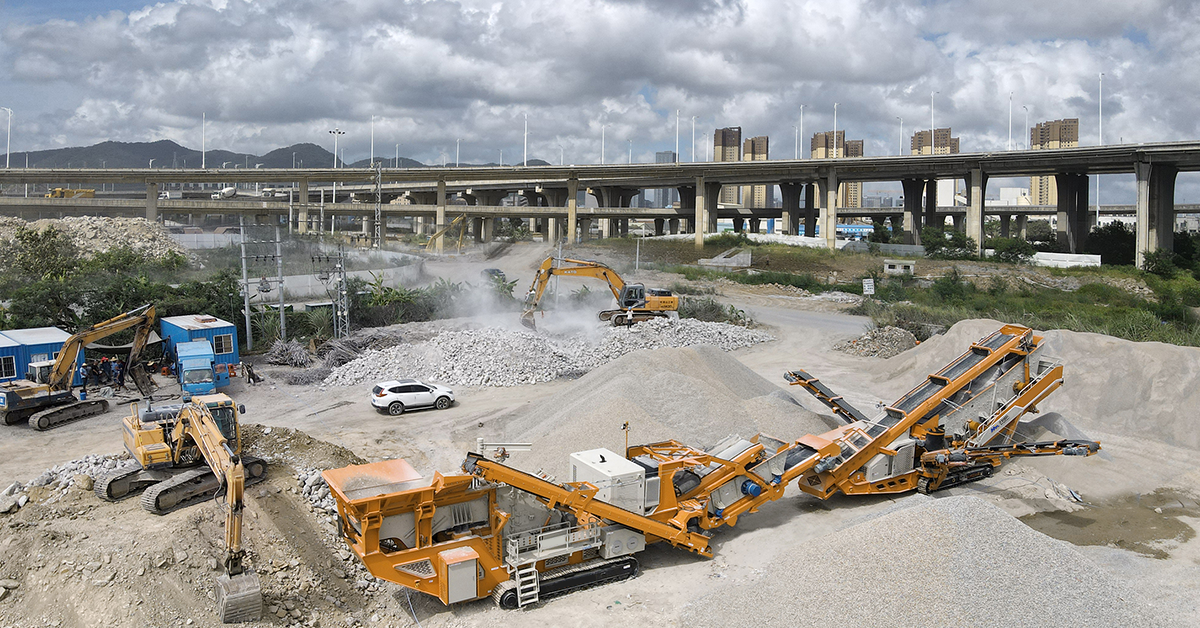
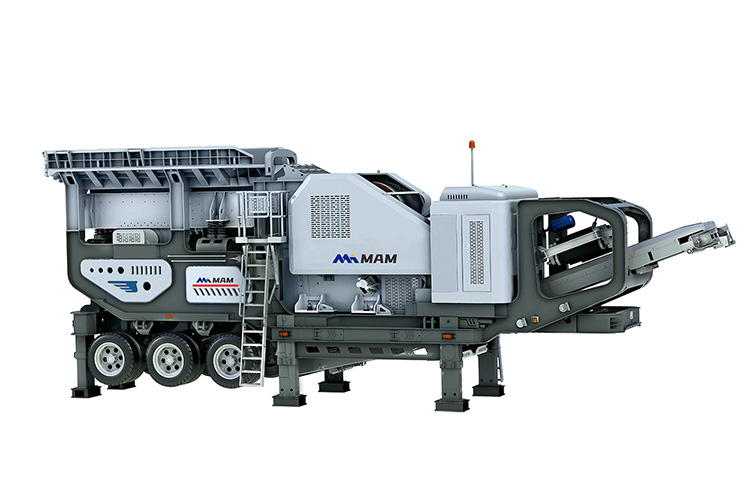
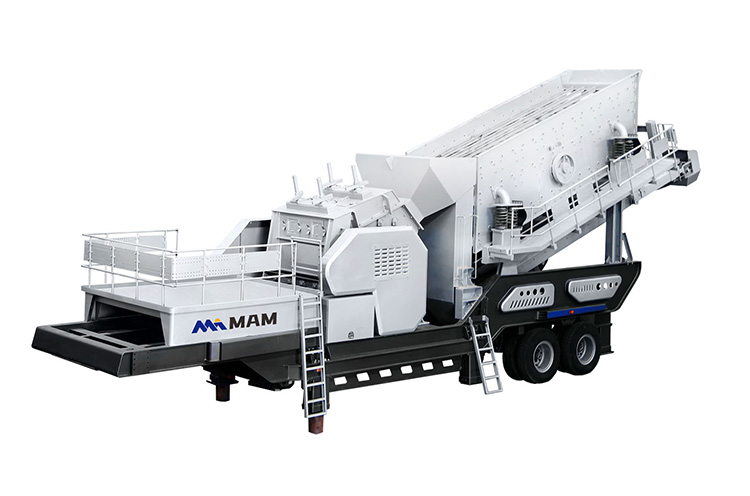
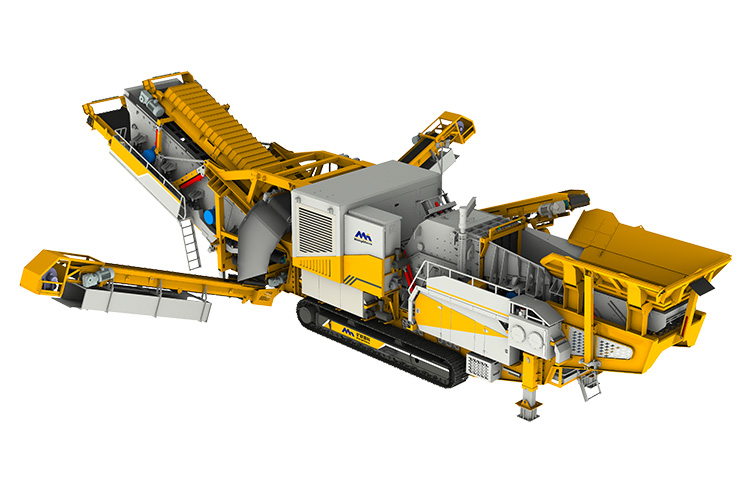
Mobile crusher plants are the most advanced in the technology of modern construction machinery. They not only save many more advantages than the traditional construction machinery, but also brought new flexibility to the processing of materials in the project, and greatly improve the efficiency of processing various materials, the mobile crusher plants integrates the various types of crushing equipment into a highly efficient and flexible configuration that can be easily transported to and set up on different work sites.
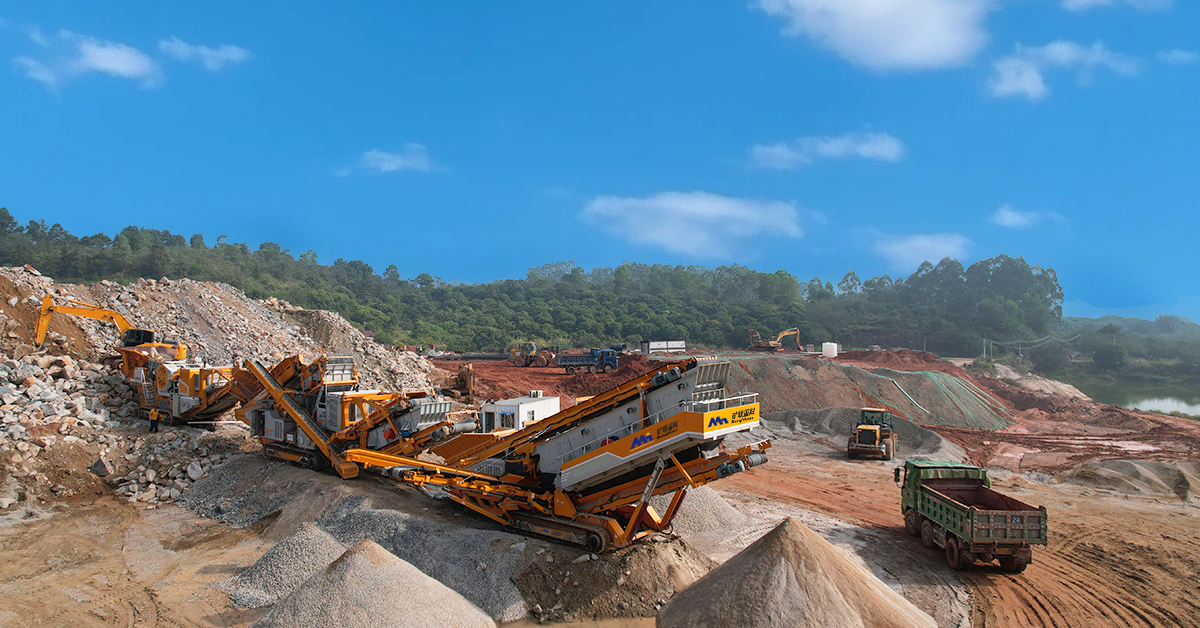
The most important advantage of mobile crusher plant lies in the convenience of mobilization and transportation. Compared with the stationary crushing plant, the mobile crushing plant can be transported by trailer or heavy truck, which greatly reduces the investment cost for site preparation and infrastructure construction. Besides, in the process of building construction, the mobile crushing plant can move to the crushing site according to the different requirements of building materials, so as to realize the in-situ crushing and significantly shorten the working period.
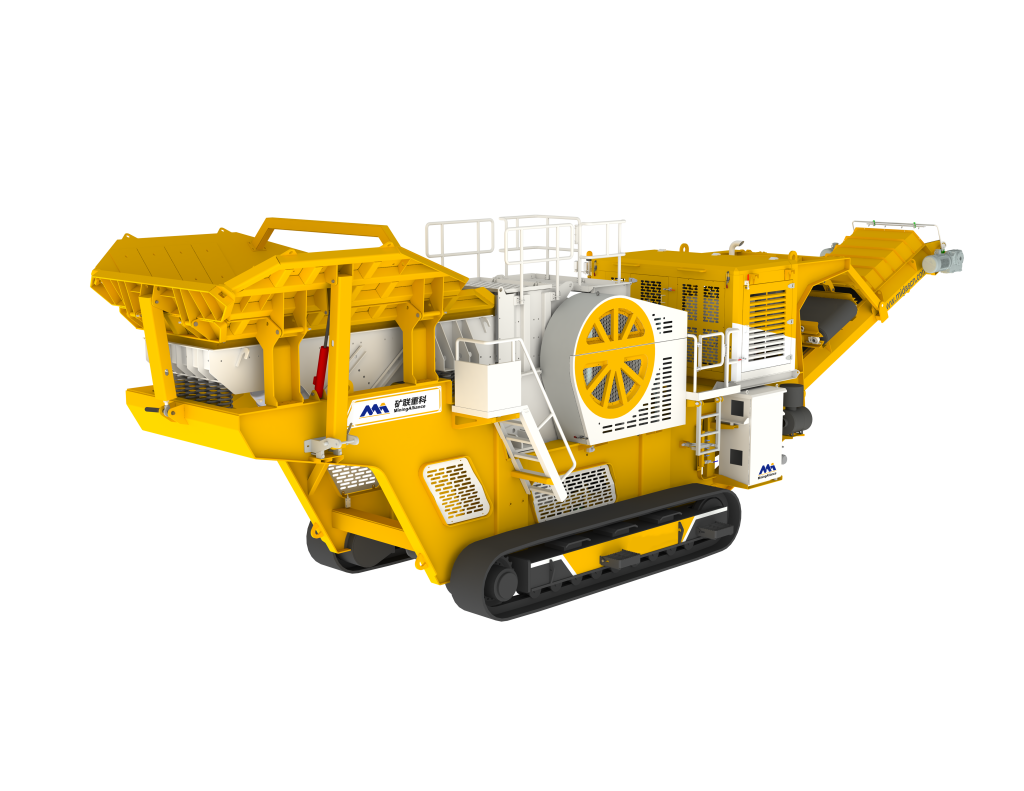
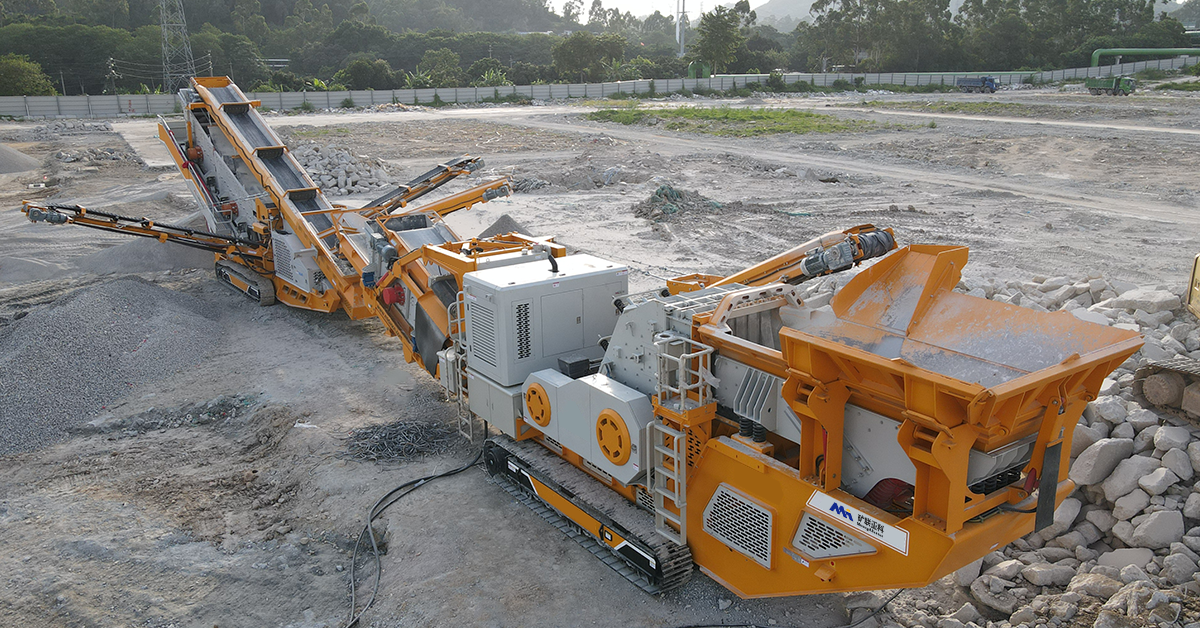
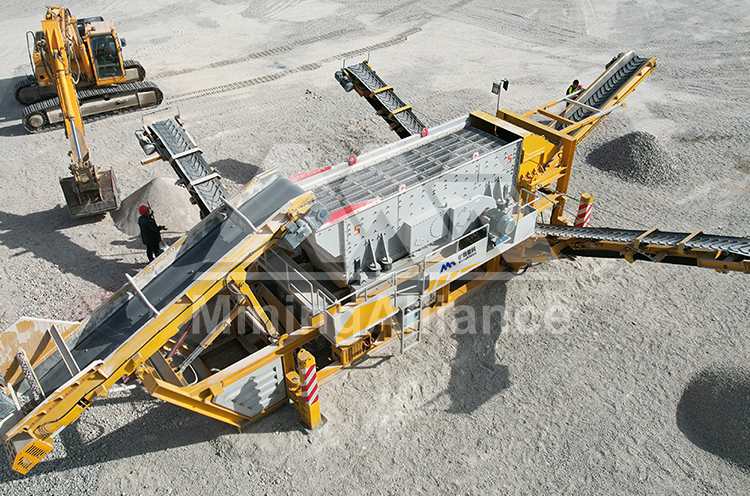
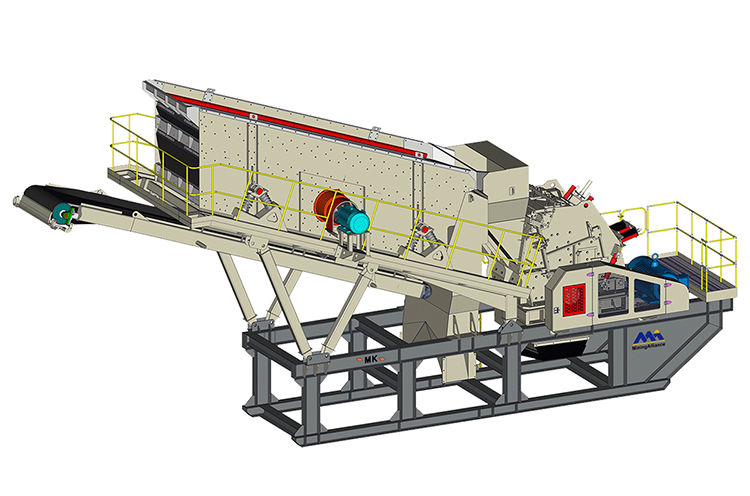
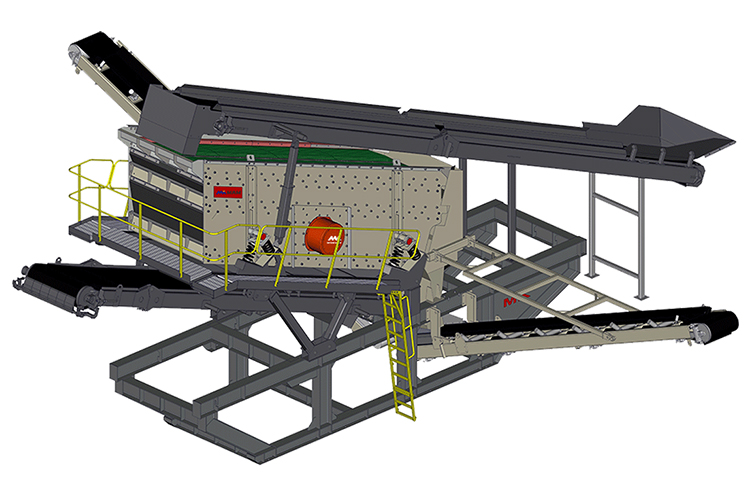
To optimize the production process and to save space in the working area, it is advisable to install several crushing plants in one single machine. Thus, with today’s mobile crusher plants, the material is crushed in one unit using the primary crusher, further processed in the secondary crushing unit, sorted in the classifying screening unit and conveyed by the transport system, all within the smallest possible space.
One of the main advantages of mobile crusher plants is their capability of processing various kinds of materials, which means the equipment can be extensively applied in a wide range of constructions. They can deal with granite, construction waste, asphalt and many kinds of recycled materials, allowing the engineering projects to proceed efficiently without the need for frequently replacing the equipment.
Types of Mobile Crusher Plants Used in Construction
Jaw crushers for primary crushing Jaw crushers are big materials crusher, crush large material into small size, generally speak, the jaw crusher broken parts to what kind of discharged particle size is usually small, as stone broken after which will be further broken or conduct further processing or post-factum use, in primary crushing, the jaw crusher play the important crushing role. It has the characteristic of large capacity, discharge opening adjustment easy, low running cost, less powered, strong structure and so on. This series jaw crusher is one of our main products. Due to high ratio of crushing, hard material with strong abrasiveness, feeding material need to be with thin size. So in primary crushing, jaw crusher or gyratory crusher always used.
Cone crushers are widely used for secondary and tertiary crushing applications in order to provide rounded product with excellent shape and top shape product size. This type of crusher offers excellent capacity and product quality and is also versatile option for sizing machinery in the production of high specification aggregate products.
Impact crushers for producing fine aggregates deliver best product shape and quality. High speed crushing using an increase impact will produce material that is highly cubical giving better concrete characteristics and high performance construction material applications.
Enhancing Efficiency in Construction Projects
Streamlining Material Processing with Mobile Crusher Plants
Reducing transportation costs and time is an important factor in increasing economic efficiency. The reason is that mobile crusher plants enable cost-efficient processing of the material at the site where it is needed, thereby avoiding costly transportation of the raw material to a crushing plant at a far-off location and the additional cost of transporting the crushed product back to the working site.
On-site processing of crushed rock and soil minimizes the need for costly and time-consuming haulages to external processing facilities. Third party crushing is not always available at the time required by the project which results in dependency on their operational schedule. On-site processing allows the construction team to have full control over gradation of product, processing rate and priority of material as required by the project.
The ability to change the crusher settings on a project by project basis allows for on the spot optimization of performance. Our mobile crusher plants can be changed from one product specification, through to a different plant capacity and even to change the performance characteristics of the crusher. This allows for adaptability to the changing needs of a project, with the minimum amount of lost time and the minimum amount of changes to the plant or equipment.
Improving Project Timelines with Mobile Solutions
The ability to quickly assemble and disassemble the crusher means that less time is lost between periods of actual crushing and construction activities. Thus, our modern mobile plants can be operational within a few hours on site as opposed to weeks/months needed for the setup of stationary crushing plants.
The material supply for the project materials can be provided continuously provided that the supplier can move along with the advancing project work. This enables the prevention of any potential interruption in the supply of materials, especially for materials required for activities on the critical path and ensures continuity in the construction work of the project and achievement of the construction milestones.
Better coordination with other activities can be achieved if crushing can be placed in a position relative to the excavations, placing and hauling equipment. Shortening material handling distances improves the productivity of the site.
Economic Benefits of Using Mobile Crusher Plants
Cost Savings in Material Handling and Processing
We are able to reduce our dependence on outside crushing services thereby eliminating the large markup on processed aggregates and minimizing the impact of market price fluctuations on the cost of materials to the builder. We can achieve cost savings and provide a consistent supply of materials to the site for the duration of the project.
Lower fuel consumption is achieved through effective operation of the plant, lower transport requirements and more efficient processing sequences. The mobile crusher plants enable huge fuel savings when materials do not have to be transported long distances from and to the processing plant. Moreover, modern engines make the most efficient possible use of the available fuel during the crushing process.
Labor costs are reduced using automation and integration. It is possible to process materials more efficiently in the plant by integrating several processing functions under a common control system. These integrated systems require less manpower and produce more material than a conventional multiple-crusher processing plant.
Environmental Advantages of Mobile Crusher Plants
Reducing Carbon Footprint in Construction Projects
Lower emissions are being achieved across the majority of the construction site as a direct result of reduced fuel consumption due to a reduction in vehicle movements. With on-site processing of materials possible using mobile crusher plants, the need for constant haulage of unprocessed material and aggregates by heavy vehicles is eradicated which in turn reduces the emission of diesel fumes and pollution.
Energy efficient technology incorporating sophisticated engine management, hydraulic control and power delivery means that less fuel is consumed while crushing capacity is increased. The environment is thereby protected without any sacrifice being made to performance.
Sustainable Practices Enabled by Mobile Crushing
Turning On-Site Construction Waste into Resource through Recycling & Reusing The increasing amounts of construction waste are often deposited in landfill sites and are therefore regarded as non-value adding materials. With mobile crusher plants, the original construction waste can be recycled and reused into valuable building materials, so as to transform the landfill waste into useful by-products and turn the waste into wealth through recycling and reusing. In addition, the original construction waste can also be recycled and reused after being processed through crushing and screening, so as to efficiently turn the demolished concrete, broken asphalt and other construction waste into useful building materials that can be reused for new construction projects.
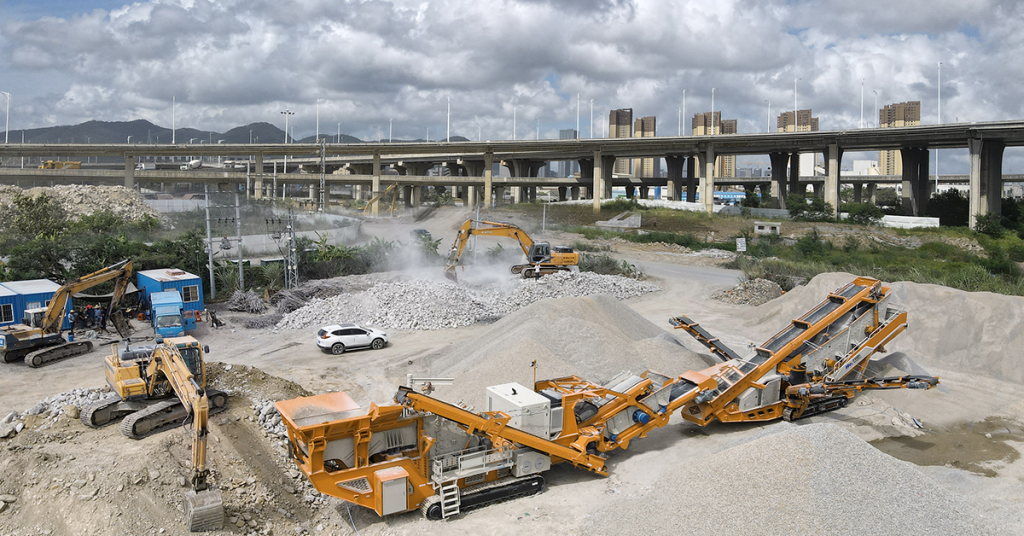
Lower land use is possible through the reduction of on site stockpiles and static crushing plants, which means less environmental impact due to habitat preservation. A mobile crushing unit means that you do not have to have permanent land for use as a crushing plant whilst still delivering the crushing performance you require.
Technological Innovations in Mobile Crusher Plants
Advanced Features Enhancing Performance
Real-time monitoring systems for optimal operation give you real-time data on the operation of your assets, production rates and required maintenance. Predictive maintenance scheduling and performance optimization can be realized, and expensive unscheduled asset failures can be prevented.
Certain features can be classed as automated and related to accuracy and safety. The system described here involves a highly sophisticated control system that automatically calculates the optimal crushing parameters and acts accordingly, to protect the crusher against obstructions such as tramp iron or over-sized lumps of rock and so gives greater protection for the operator and a consistent product quality.
Future Trends in Mobile Crushing Technology
In a further development of mobile crushing technology, M&J crushers can be seamlessly integrated into smart construction management systems. This means that the crusher can be effectively linked into the project-wide management system, providing for synchronisation of material production and consumption in real-time, with resultant improvements to inventory management and resource allocation.
The development of alternative, “greener” power sources for mobile applications is an important area of focus, including hybrid electric systems, alternative fuel engines, and renewable energy. The future of mobile crushing will continue to reduce the environmental footprint, while still providing the performance required for heavy-duty applications in the construction industry.