Introduction
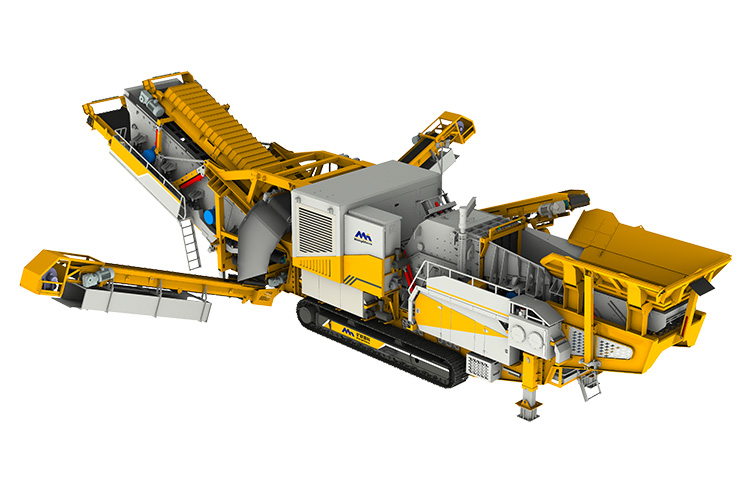
The global demand for mobile crusher plant solutions is rapidly increasing as industries seek flexible, efficient, and environmentally responsible methods for material processing. These plants are integral to mining, construction, recycling, and infrastructure development projects that require on-site crushing and screening capabilities. With technological innovation and sustainability shaping the industry’s direction, understanding current global trends in mobile crusher plant applications has become essential for professionals aiming to optimize operations and maintain competitiveness.
Expansion of Mobile Crusher Plant Use in Mining and Construction
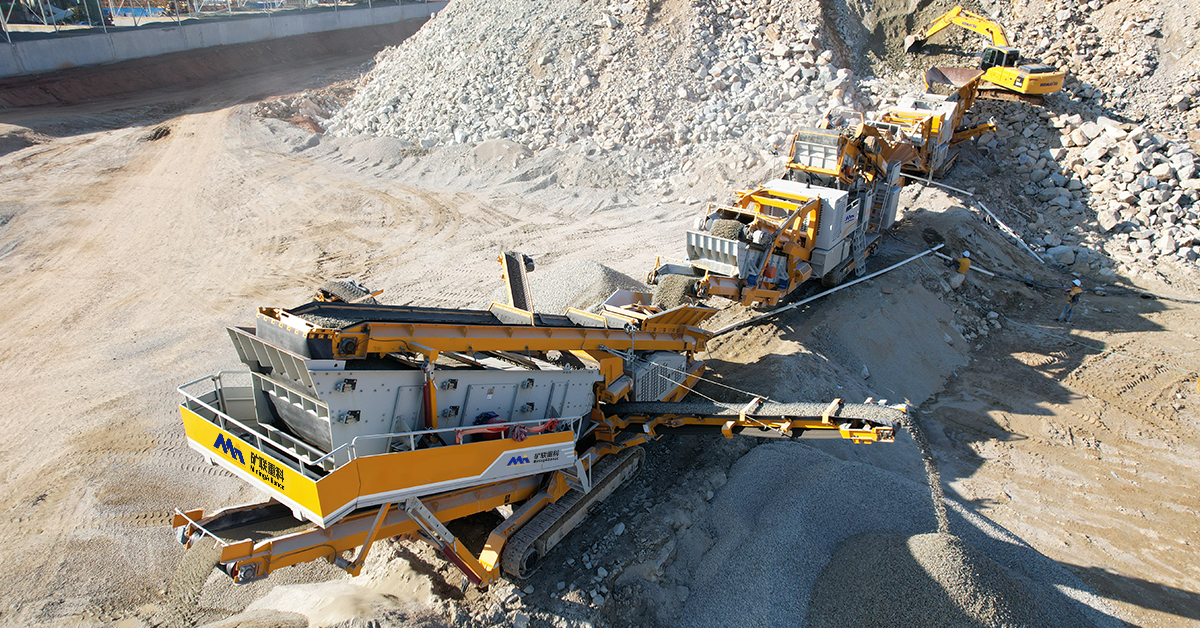
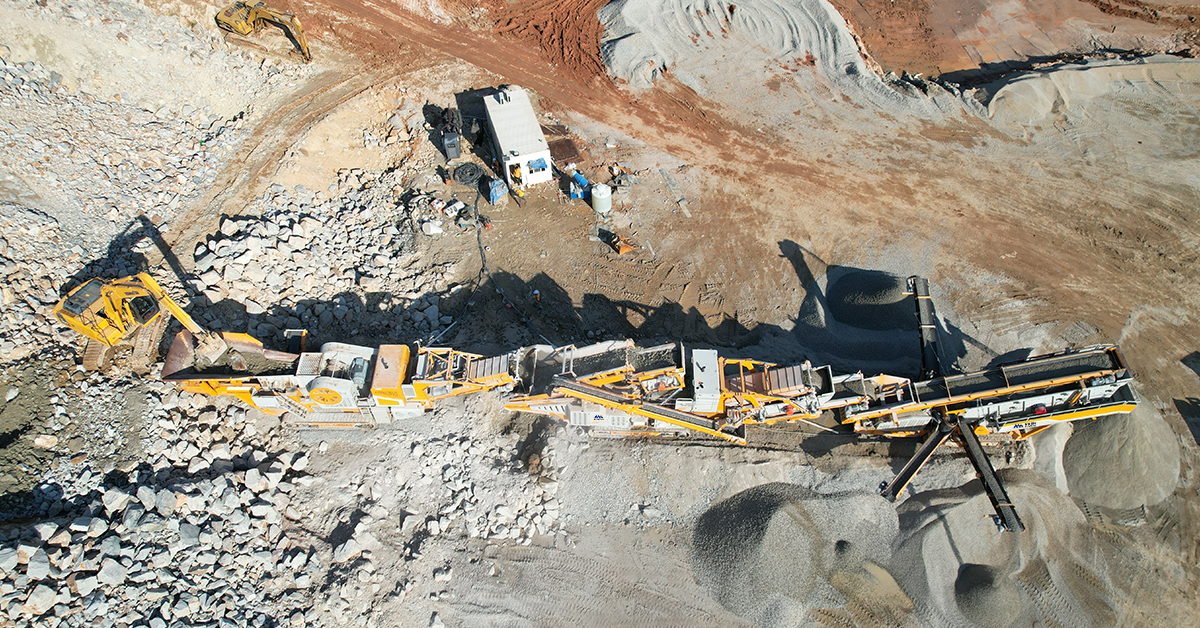
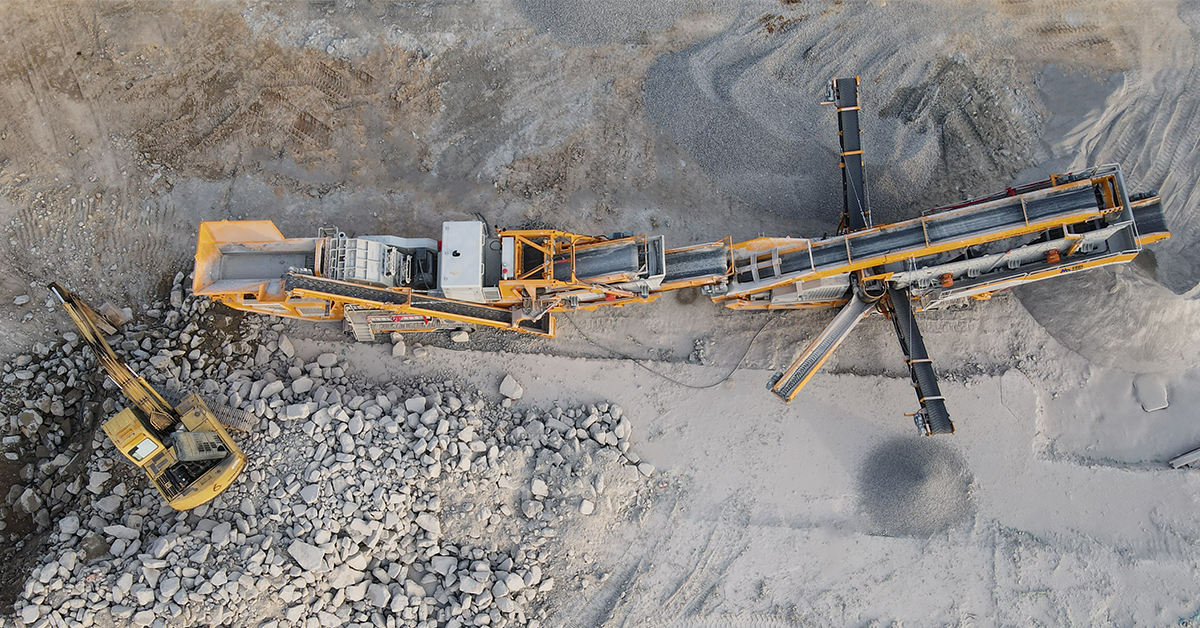
In the mining sector, mobile crusher plants have transformed traditional material handling systems by enabling on-site crushing at extraction points. This reduces transportation costs, minimizes environmental impact, and enhances operational efficiency. The construction industry also benefits from these systems through their ability to process demolition waste into reusable aggregates directly on-site. As urbanization accelerates worldwide, particularly in emerging economies across Asia-Pacific and Africa, the adoption of mobile crushers continues to grow due to their adaptability to varying project scales and terrain conditions.
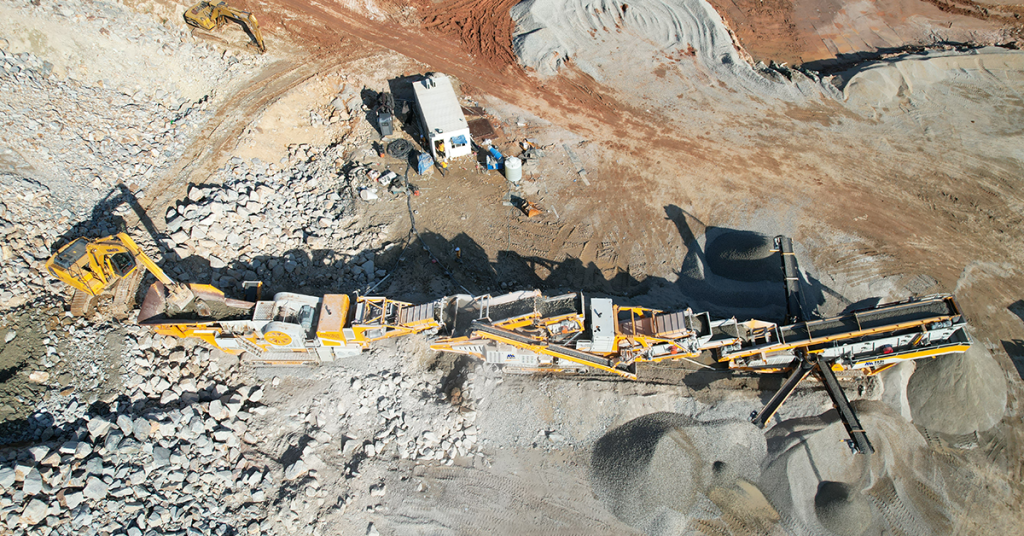
Advancements in automation have further propelled this growth. Modern mobile crusher plants now incorporate intelligent control systems that optimize performance parameters such as feed rate, power consumption, and output size distribution. Remote monitoring technologies allow operators to track machine health and productivity in real time, reducing downtime and improving safety standards across sites.
Technological Innovations Driving Efficiency
Technological evolution remains a key trend influencing the global mobile crusher plant market. Manufacturers are focusing on hybrid power systems that combine diesel engines with electric drives to reduce fuel consumption and emissions while maintaining high throughput levels. This shift aligns with broader sustainability goals within heavy industries seeking carbon footprint reduction without compromising productivity.
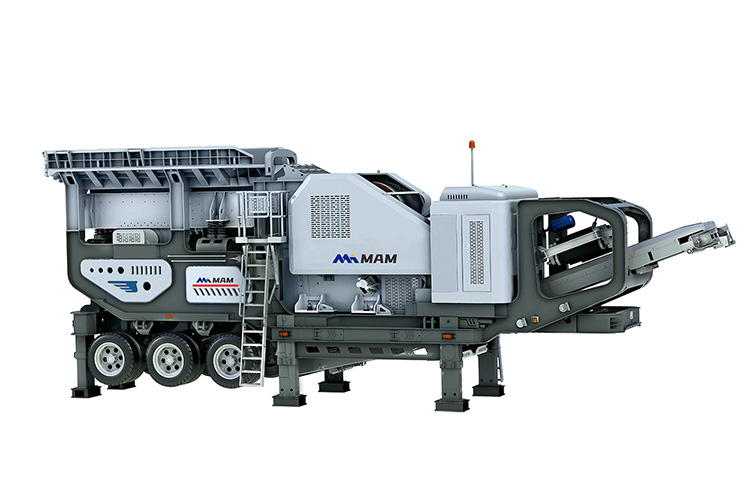
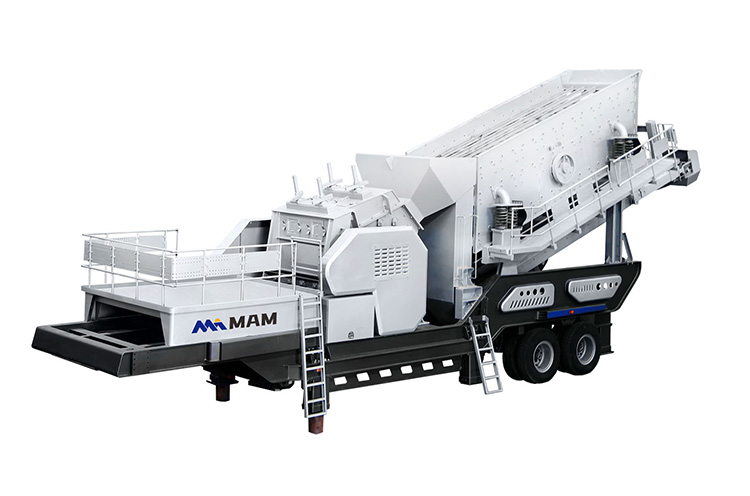
Integration with digital platforms has introduced predictive maintenance capabilities using data analytics and IoT connectivity. These tools help anticipate component wear or system failures before they occur, ensuring continuous operation under demanding conditions. Additionally, modular designs enable easier transportation between job sites and faster setup times compared to stationary crushing equipment—an advantage that significantly enhances project flexibility in remote or temporary locations.
Environmental Considerations and Sustainability Trends
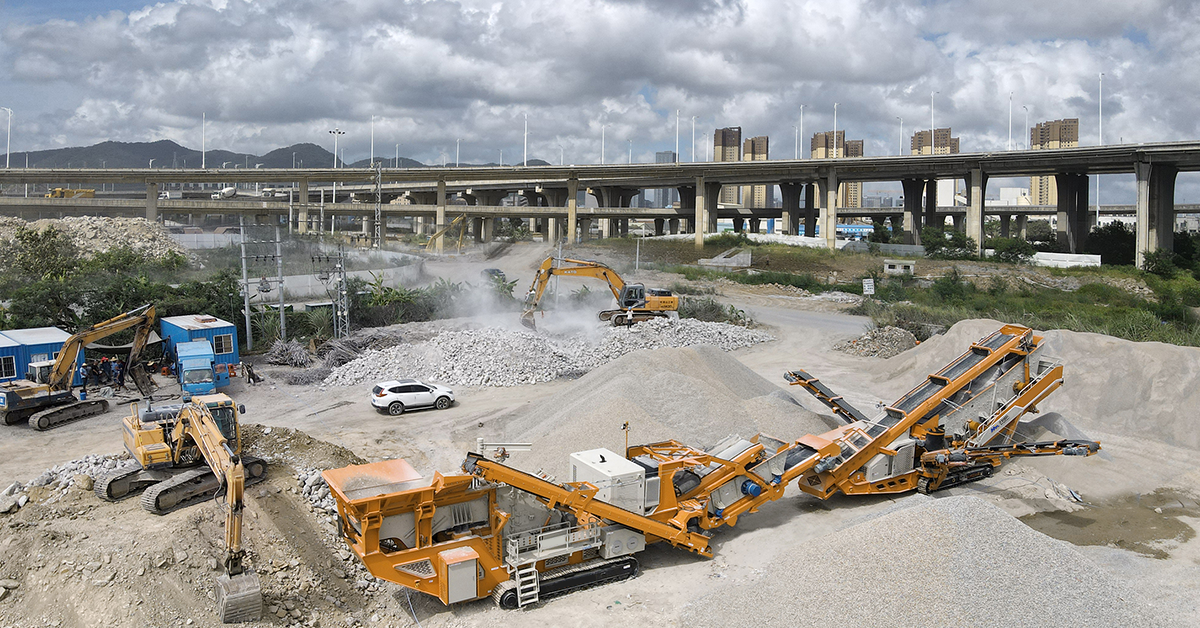
Sustainability plays an increasingly central role in shaping modern applications of mobile crusher plants. Governments worldwide are tightening regulations regarding waste management, emissions control, and resource conservation within industrial operations. Consequently, recycling applications for mobile crushers have expanded dramatically—particularly in processing concrete, asphalt, and construction debris into new building materials.
Electric-powered models are gaining traction as part of this movement toward cleaner energy use in heavy machinery fleets. These units not only lower operational costs but also comply with stringent emission standards set by environmental agencies across Europe and North America. Furthermore, noise reduction technologies integrated into modern designs improve compliance with urban construction regulations where sound pollution is a concern.
Regional Market Dynamics
Regional variations strongly influence how mobile crusher plants are applied globally. In developed markets such as Europe and North America, emphasis lies on environmental compliance and automation integration within existing infrastructure frameworks. Conversely, developing regions prioritize cost-effective solutions capable of handling diverse materials under challenging conditions while supporting rapid infrastructure expansion initiatives like road building or housing projects.
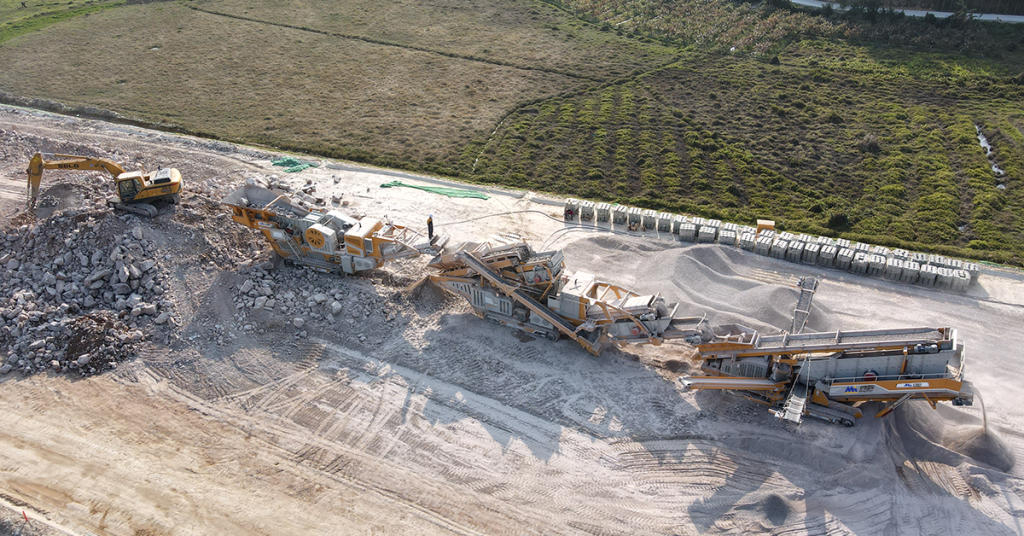
Asia-Pacific currently dominates global demand due to massive investments in mining exploration activities coupled with ongoing urban development programs in China, India, Indonesia, and other nations. Local manufacturers are also emerging as significant players offering competitively priced equipment tailored for regional needs—further accelerating adoption rates across multiple sectors including quarrying and aggregate production industries.
Future Outlook of Mobile Crusher Plant Applications
Looking ahead, the trajectory of mobile crusher plant technology suggests continued convergence between digitalization, sustainability objectives, and operational efficiency improvements. Artificial intelligence integration will likely enhance process automation capabilities even further by enabling adaptive control mechanisms based on real-time material characteristics or environmental variables encountered during operation.
Moreover, collaborations between equipment manufacturers and renewable energy providers may yield fully electric or solar-assisted crushing systems suitable for off-grid operations—a critical advancement for remote mining locations lacking conventional power infrastructure access points. The combination of eco-efficiency with high mobility positions these machines at the forefront of future industrial transformation initiatives focused on circular economy principles emphasizing resource reuse over extraction-based practices.
As industries continue evolving toward smarter infrastructure solutions supported by sustainable engineering frameworks worldwide—the role played by advanced mobile crushing technologies will remain indispensable across multiple application domains ranging from resource recovery processes through large-scale civil engineering developments globally.