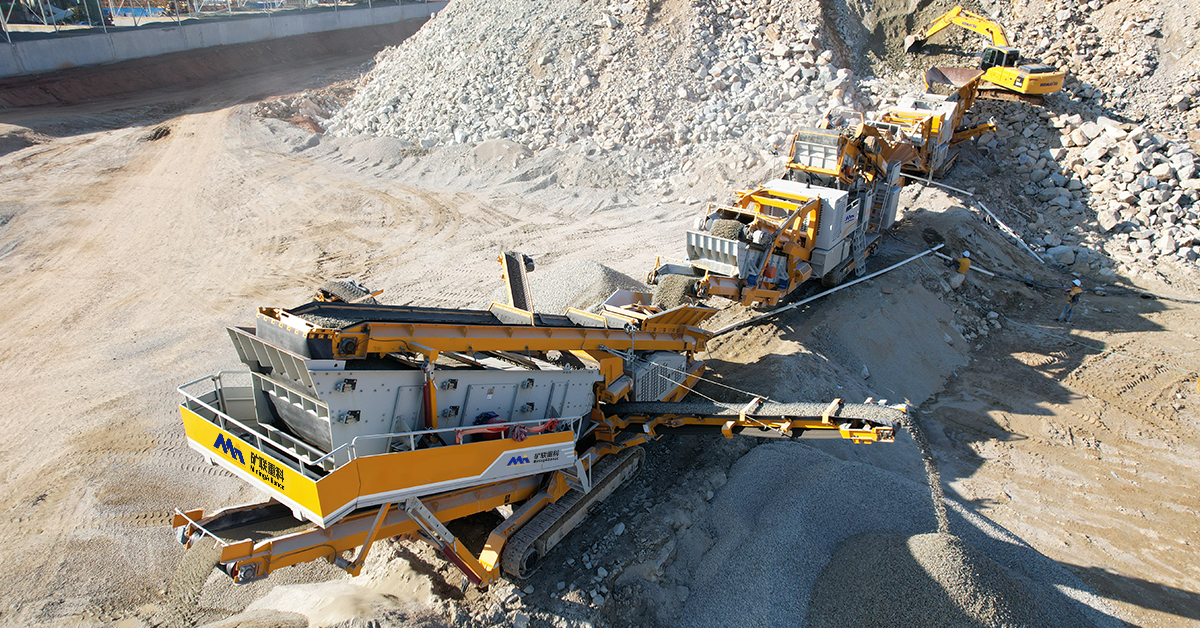
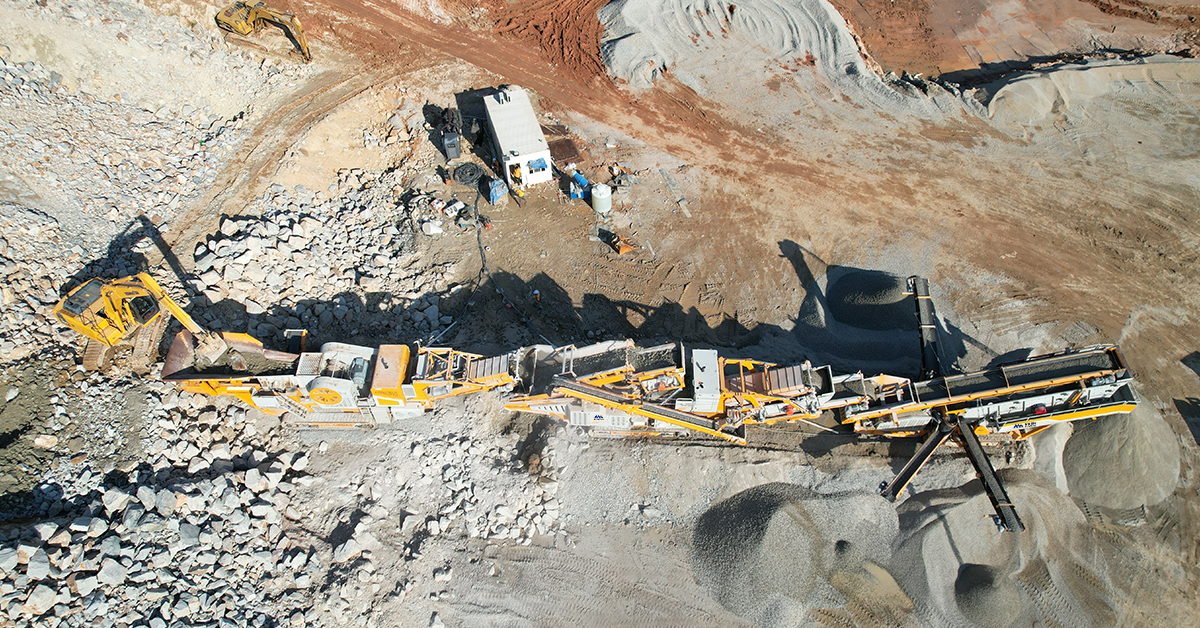
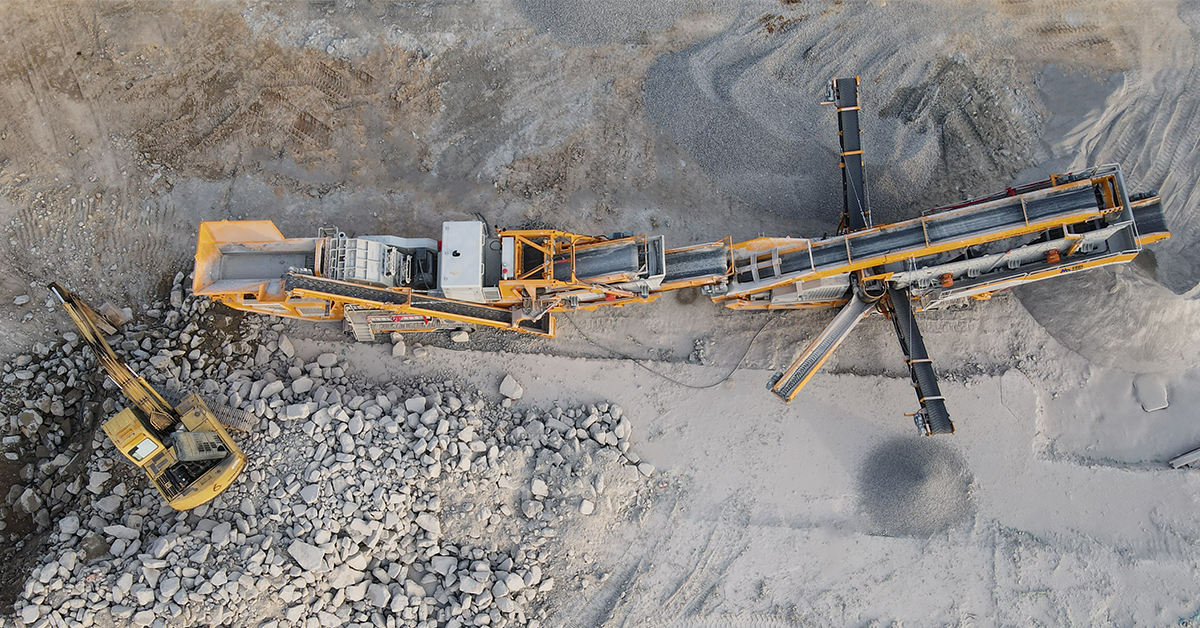
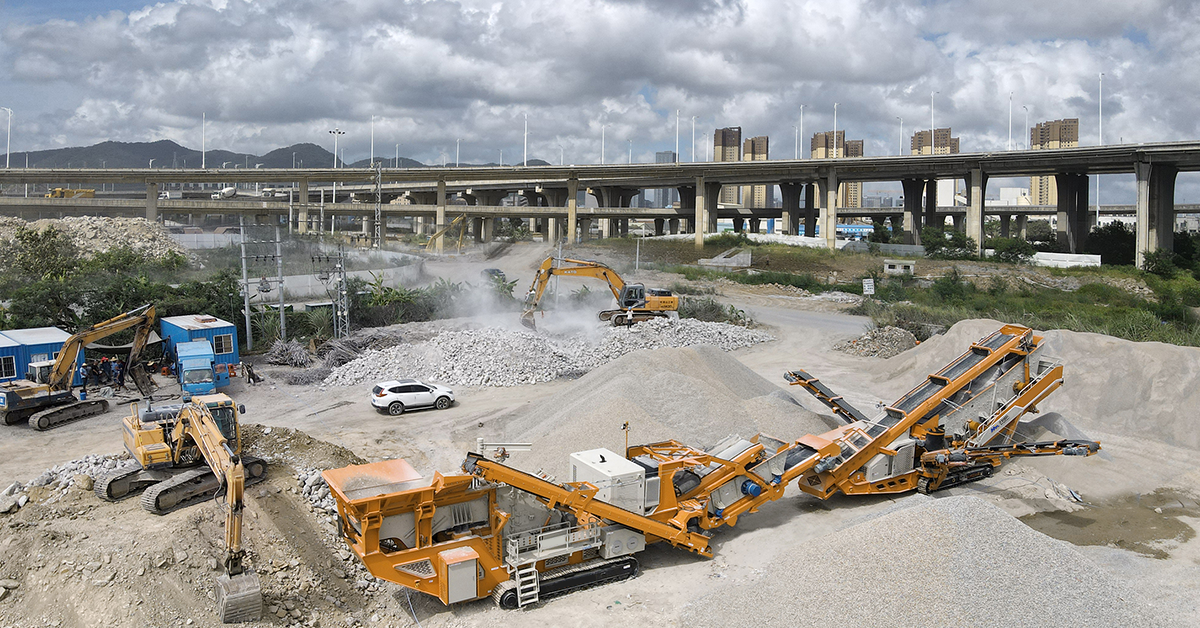
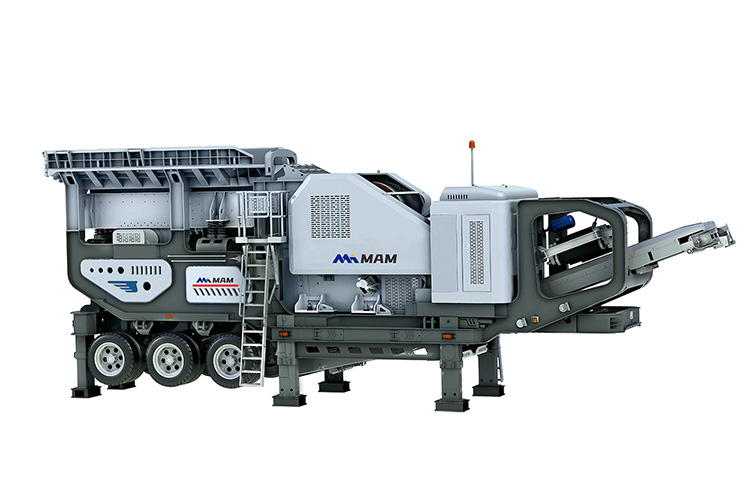
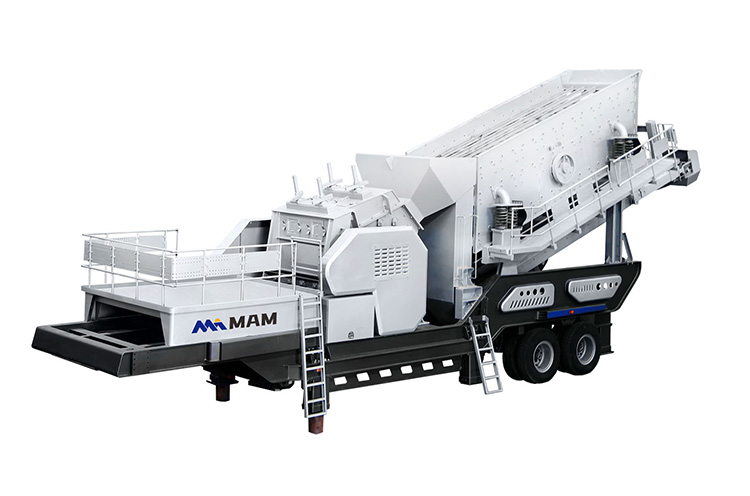
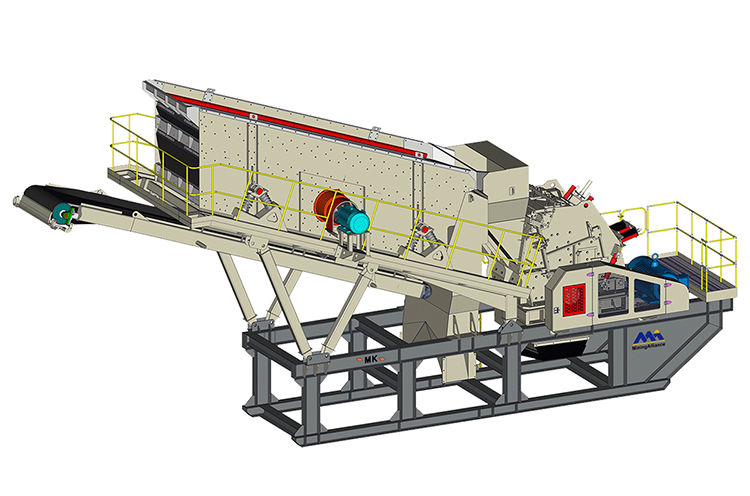
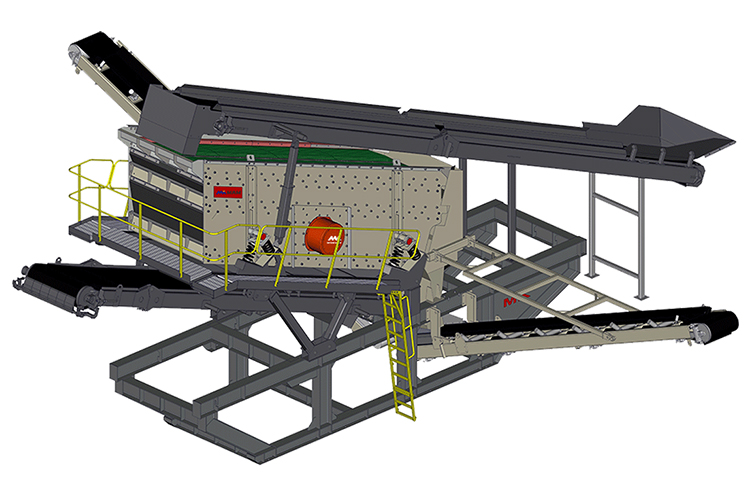
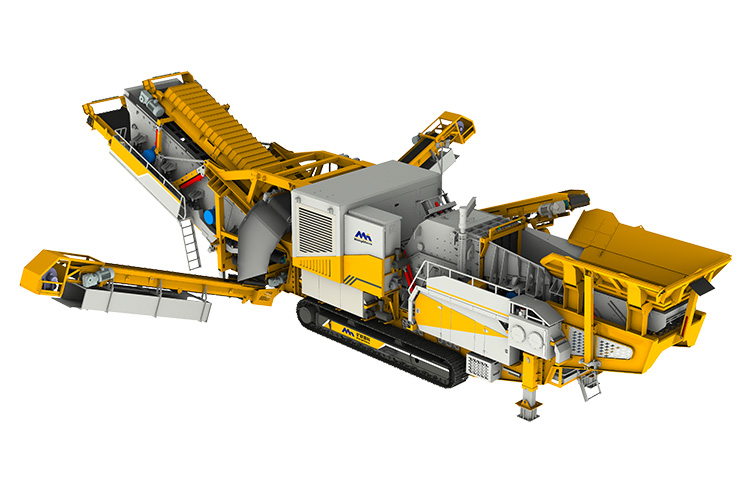
The global construction and mining industry has witnessed a significant transformation with the widespread adoption of mobile crusher plants. These sophisticated pieces of equipment have revolutionized material processing operations across diverse geographical markets, fundamentally changing how businesses approach crushing and screening activities.
Market Penetration Across Regions
The adoption of mobile crusher plants varies considerably across different global markets. Developed economies in North America and Europe have embraced these technologies at accelerated rates, driven by stringent environmental regulations and the need for operational flexibility. The European market, in particular, has shown remarkable uptake due to urbanization pressures and space constraints that make traditional stationary plants less viable.
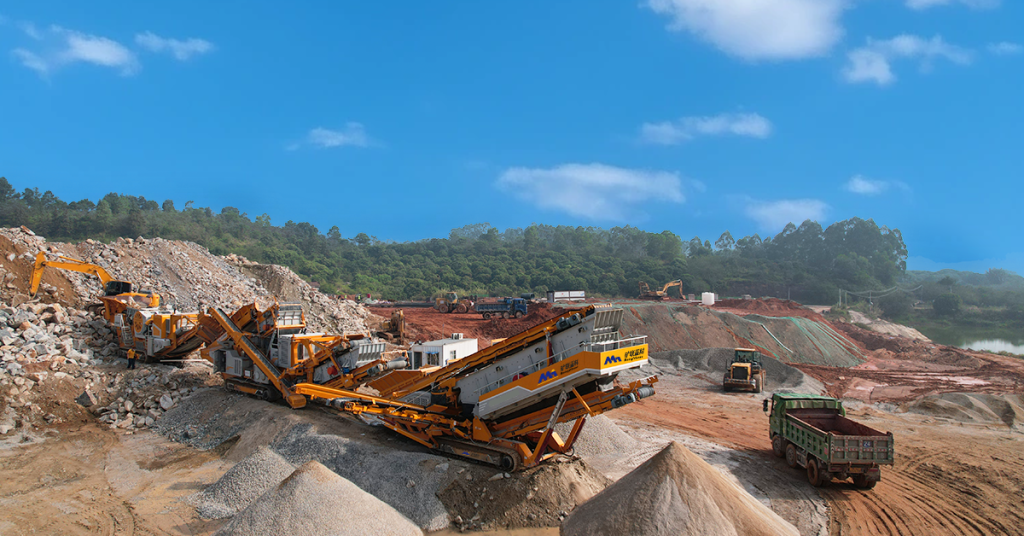
Asian markets, led by China and India, represent the fastest-growing segments for mobile crusher plant adoption. The rapid infrastructure development and mining activities in these regions have created substantial demand for portable crushing solutions. Australia and South Africa have also demonstrated strong adoption rates, primarily driven by their extensive mining operations and the need to process materials at remote locations.
Technological Drivers of Adoption
Several technological advancements have accelerated the global acceptance of mobile crusher plants. Modern units incorporate advanced automation systems that reduce operator dependency while improving safety standards. The integration of GPS tracking and remote monitoring capabilities allows operators to manage multiple units across different sites simultaneously.
Fuel efficiency improvements have made these plants more economically attractive, particularly in regions where energy costs are high. The development of hybrid and electric-powered mobile crusher plants has further enhanced their appeal in environmentally conscious markets. Additionally, improved crushing technologies have enabled these mobile units to match or exceed the performance of traditional stationary installations.
Economic Factors Influencing Adoption
The economic benefits of mobile crusher plants have proven compelling across various market conditions. Reduced transportation costs represent a significant advantage, as materials can be processed at or near extraction sites rather than being hauled to distant processing facilities. This proximity reduces fuel consumption and vehicle wear while improving project timelines.
Lower capital investment requirements compared to establishing permanent crushing facilities have made mobile crusher plants particularly attractive to smaller operators and project-based businesses. The ability to redeploy equipment across multiple sites maximizes asset utilization and return on investment. In regions with fluctuating demand patterns, this flexibility provides crucial operational advantages.
Regulatory and Environmental Considerations
Environmental regulations have played a pivotal role in driving mobile crusher plant adoption globally. Many jurisdictions now mandate reduced noise levels, dust control, and minimal site disturbance, requirements that modern mobile units are specifically designed to meet. The ability to quickly establish and dismantle operations reduces long-term environmental impact compared to permanent installations.
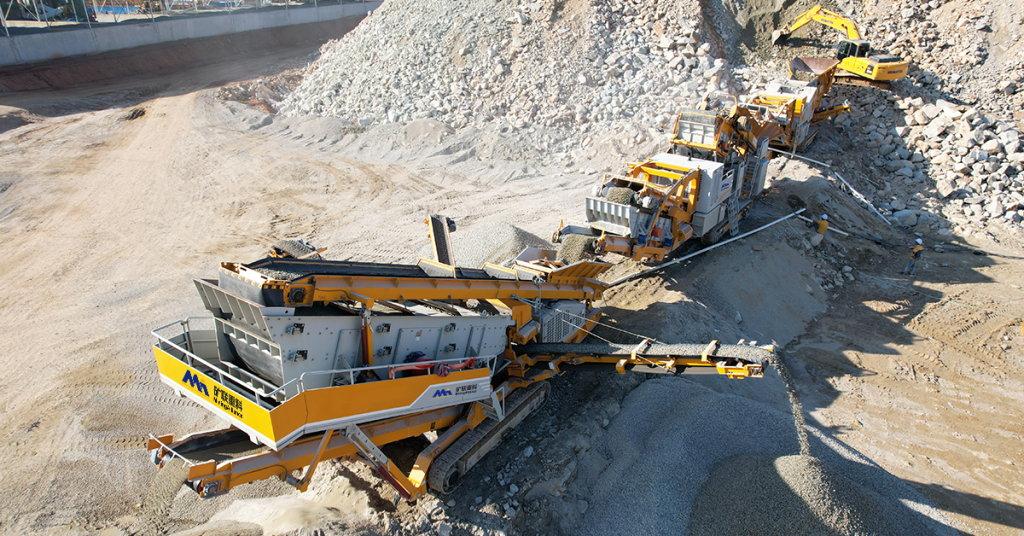
Safety regulations have also influenced adoption patterns. Mobile crusher plants incorporate advanced safety features such as emergency stop systems, protective guards, and operator protection cabins that comply with international safety standards. This compliance reduces liability concerns and insurance costs for operators.
Challenges and Barriers to Adoption
Despite widespread acceptance, certain challenges continue to limit mobile crusher plant adoption in specific regions. High initial purchase costs can be prohibitive for smaller operators, particularly in developing markets where access to financing may be limited. Maintenance requirements and the need for skilled operators also present challenges in regions with limited technical expertise.
Infrastructure limitations in remote areas can complicate deployment and maintenance of mobile crusher plants. Poor road conditions may restrict access to certain sites, while limited availability of spare parts and service support can result in extended downtime periods.
Future Adoption Trends
The trajectory for mobile crusher plant adoption remains strongly positive across global markets. Emerging technologies such as artificial intelligence and machine learning are being integrated to optimize crushing parameters automatically. Predictive maintenance capabilities are reducing unplanned downtime while extending equipment life cycles.
Sustainability concerns are driving development of more environmentally friendly mobile crusher plants. Electric and hydrogen-powered units are beginning to enter the market, particularly in regions with aggressive carbon reduction targets. The circular economy concept is also influencing adoption, with mobile plants playing crucial roles in recycling and waste processing applications.
The ongoing trend toward urbanization globally continues to create favorable conditions for mobile crusher plant adoption. As cities expand and infrastructure ages, the need for flexible, efficient material processing solutions will only increase. The ability of mobile crusher plants to adapt to changing project requirements while maintaining high productivity standards positions them as essential equipment for future construction and mining operations.