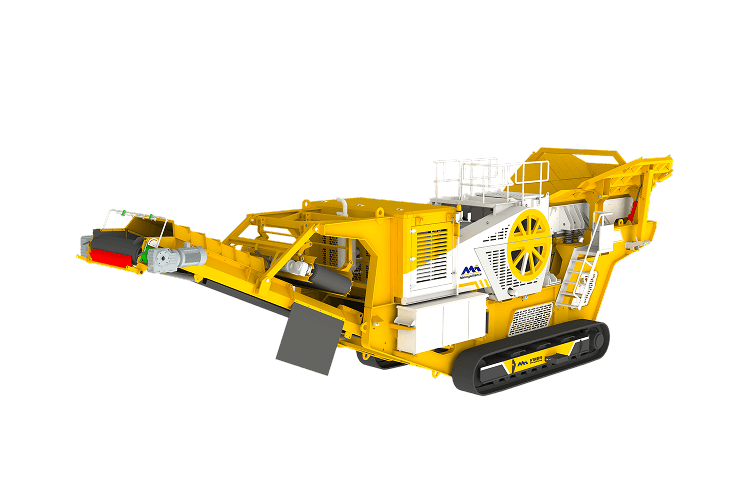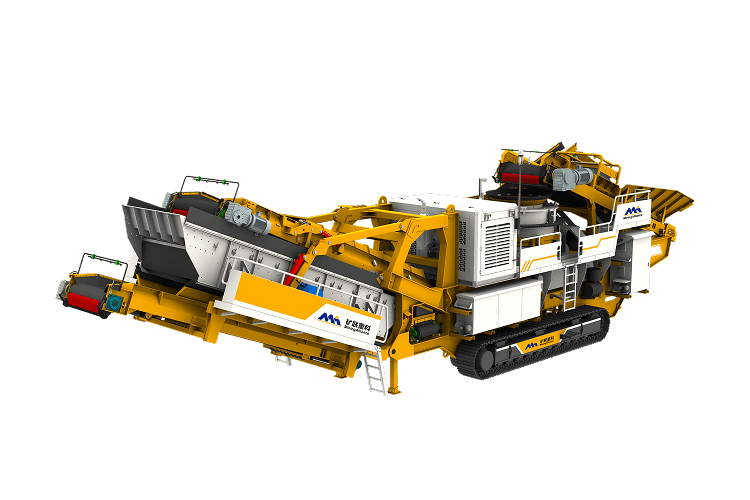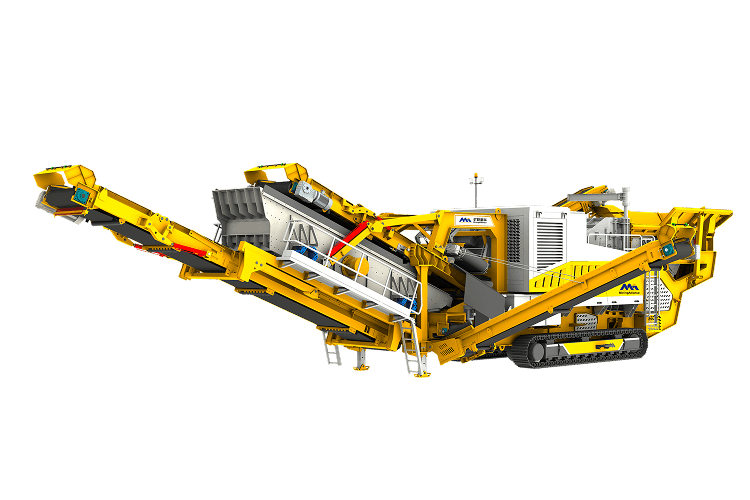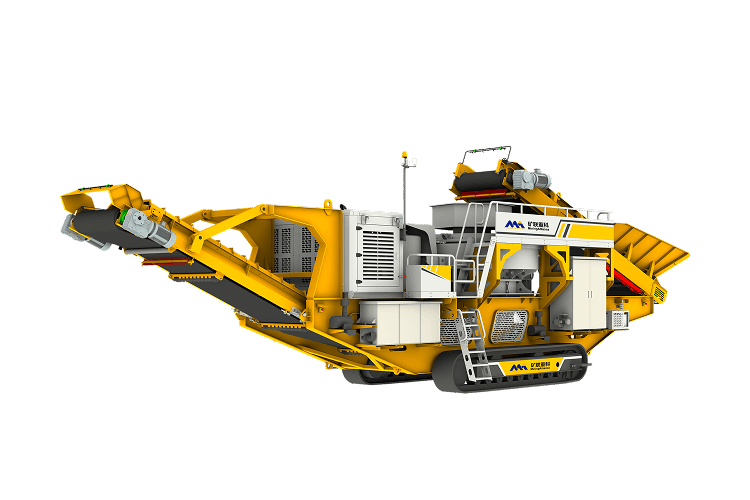
Andesite, known for its high hardness, compressive strength, and cohesive properties, is an ideal material for producing high-grade concrete aggregates. It is commonly used in the construction of highways, airport runways, and water conservancy facilities
Due to its intermediate to high hardness (compressive strength of 100–150 MPa), andesite poses several processing challenges such as:
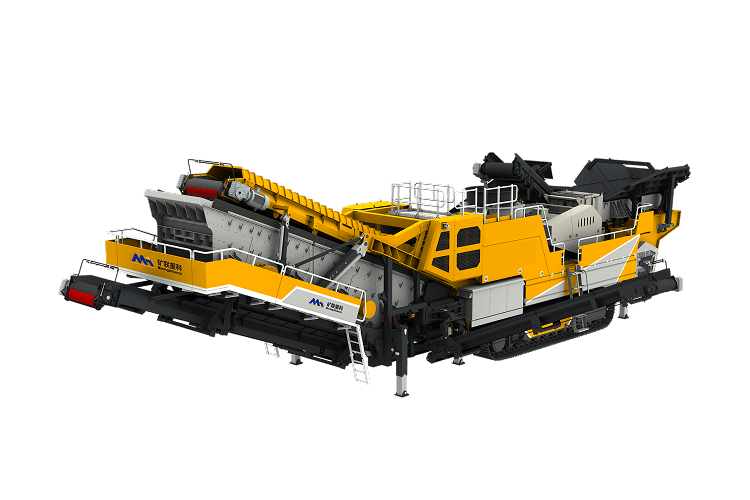
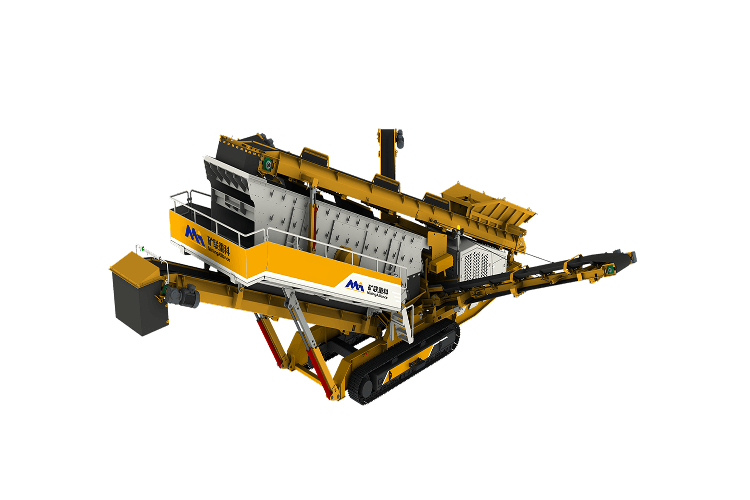
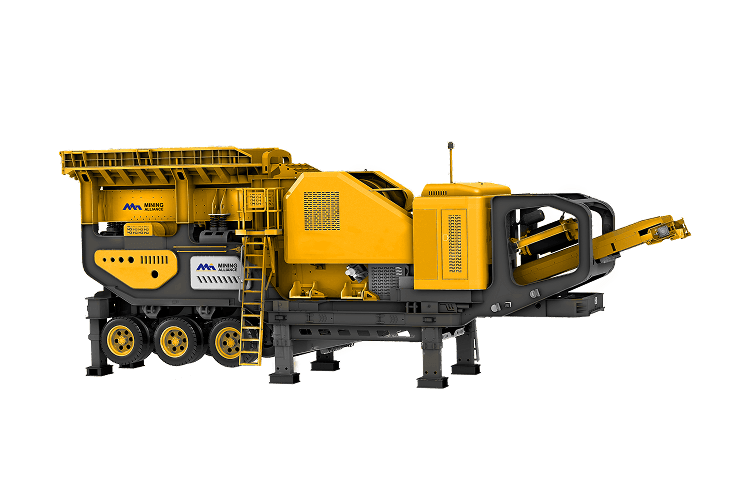
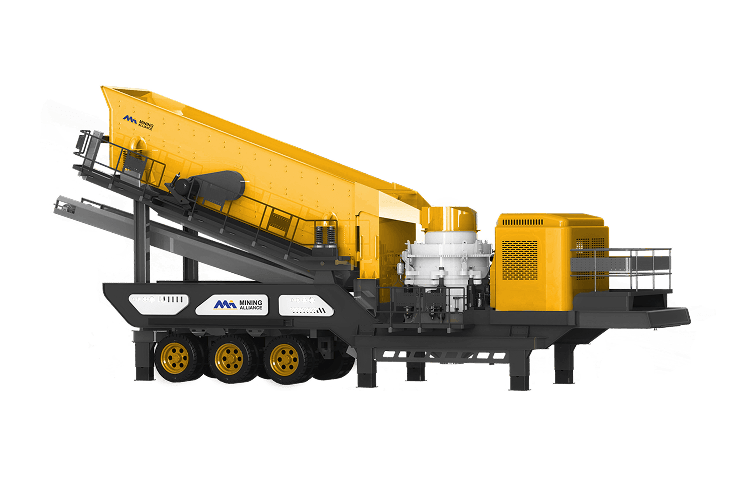
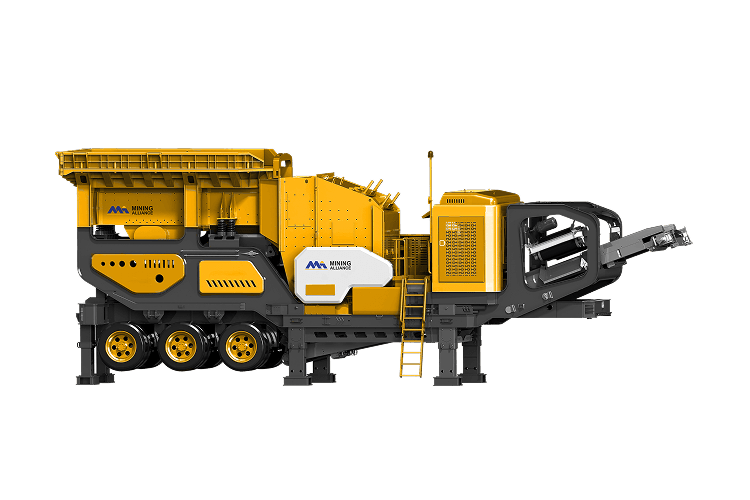
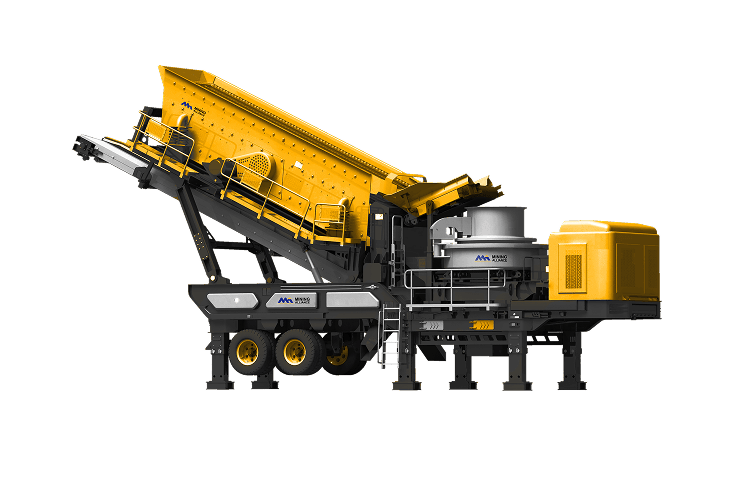
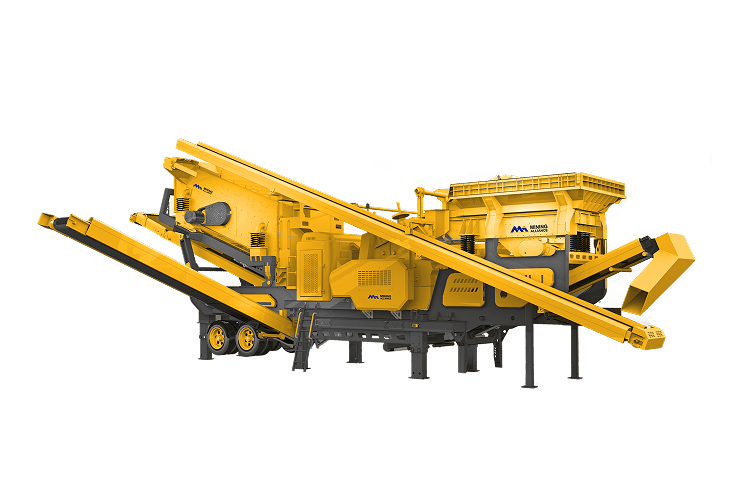
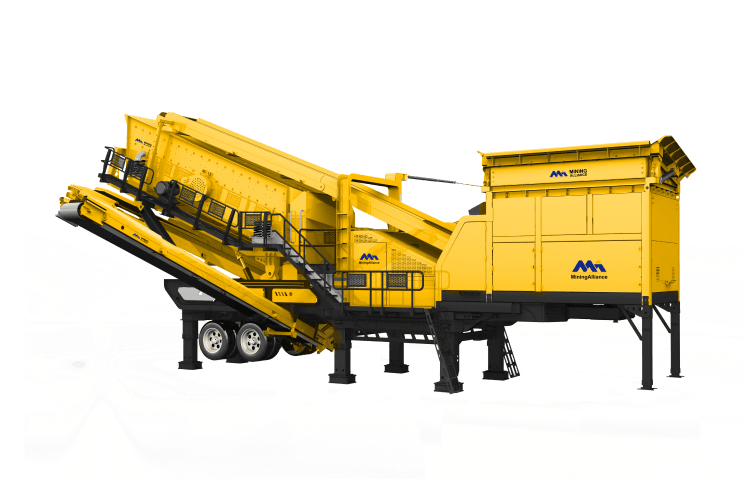
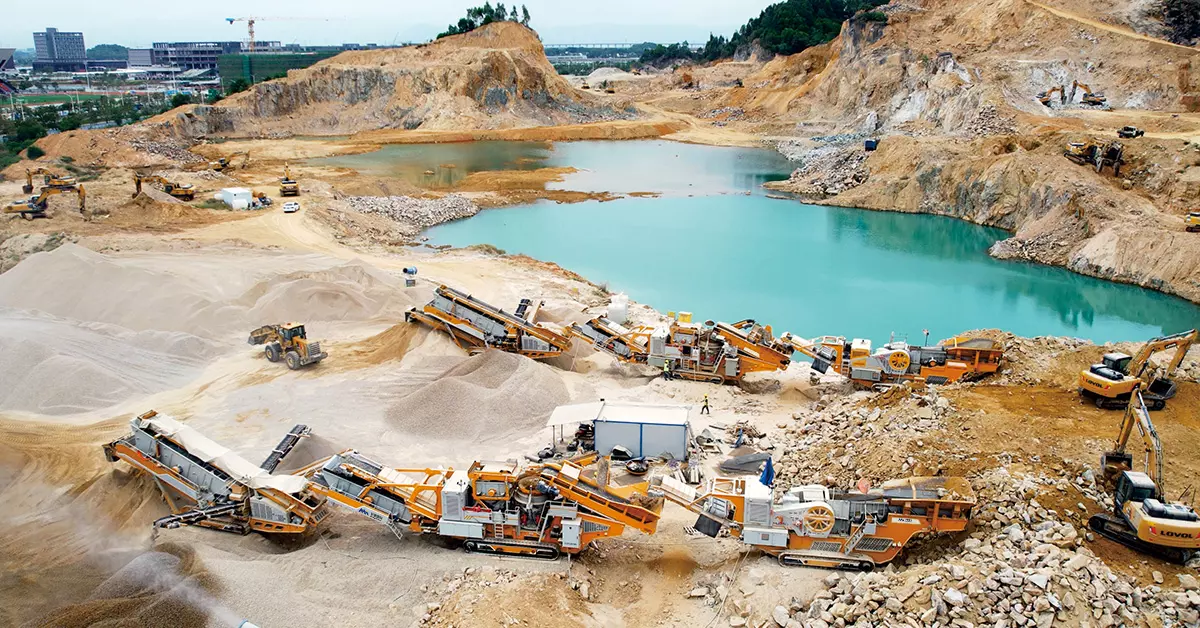
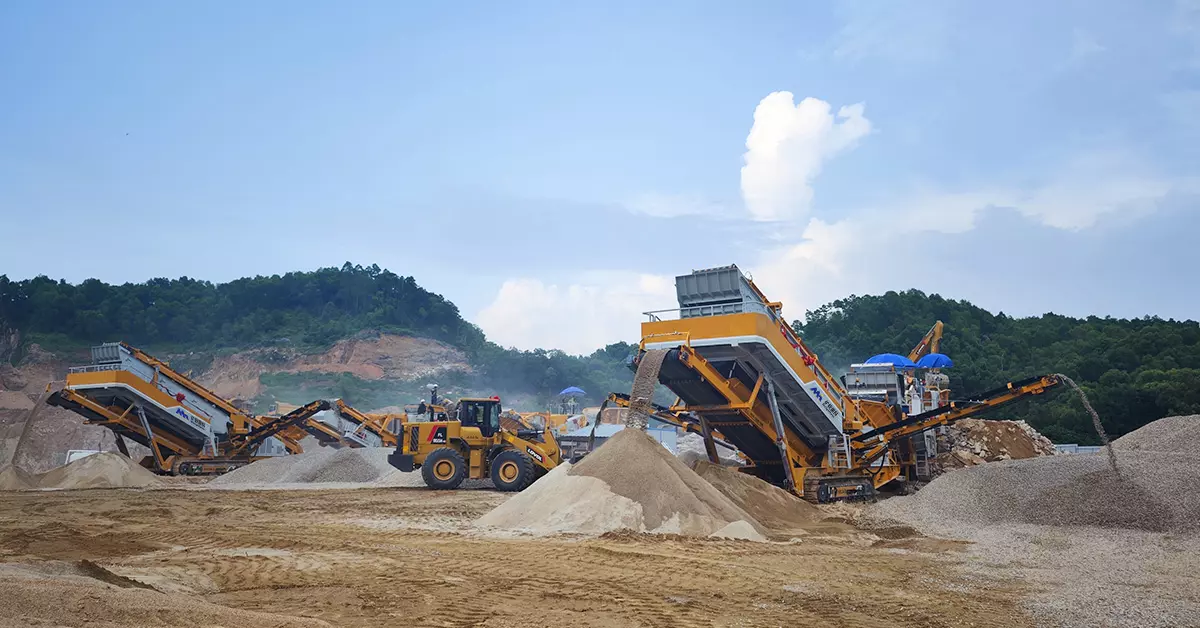
This modular plant comprises four wheeled units for rapid transportation and on-site setup. This configuration supports stable production of up to 400 tons per hour and enables accurate classification of aggregate sizes for multiple construction applications.
Trailer-mounted units allow quick relocation between sites, enabling seamless transitions for multiple projects.
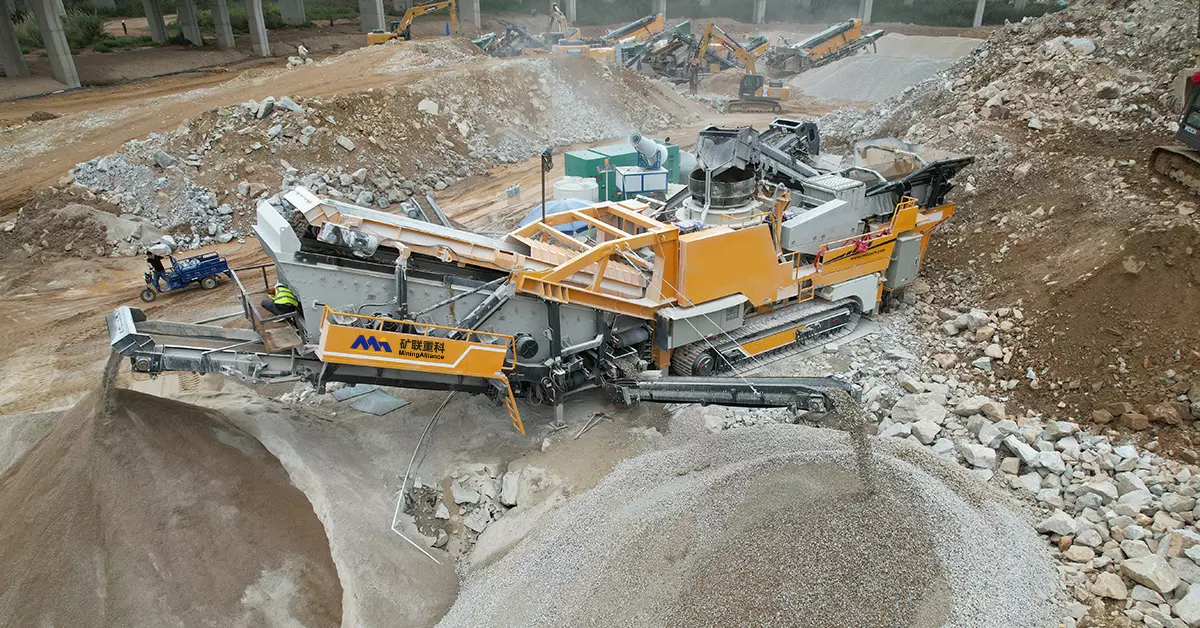
The triple-stage crushing setup (jaw + medium cone + fine cone) ensures continuous high-efficiency processing with optimal particle shape.
Wear components are made from manganese alloy steel with reinforced seals and cooling systems, ensuring reliability in tropical heat.
A PLC-integrated control unit enables real-time monitoring and automation, optimizing feeding rate, temperature, and electrical load with minimal human input.
The powerful triple-deck screen with anti-stick mesh and auxiliary cleaning units prevents clogging from moist, sticky materials.
Misting systems, noise barriers, and vibration-damping components minimize environmental impact and enhance operator safety.
Post-commissioning, the system consistently produced 7,500–8,000 tons of aggregates daily. The client reported high machine uptime, long-lasting wear parts, and low labor costs—typically requiring just one control operator and two inspectors per shift.
The final products had excellent gradation and were immediately used in road bases, ready-mix concrete plants, and coastal reinforcement works. Plans are underway to deploy a second plant of the same configuration in Java.