
Construction aggregates are commonly used in concrete mixing plants, asphalt mixing plants, it’s applied for transportation & real estate construction. Construction aggregate crushing production lines usually use jaw crushers as primary crushing, and use impact crushers or cone crushers as secondary crushing. If a large amount of sand is required, a vertical shaft impact crusher can also be added. For high-quality construction aggregates, the finished product also needs to be cleaned, which can be divided into dry production and wet production.
View Details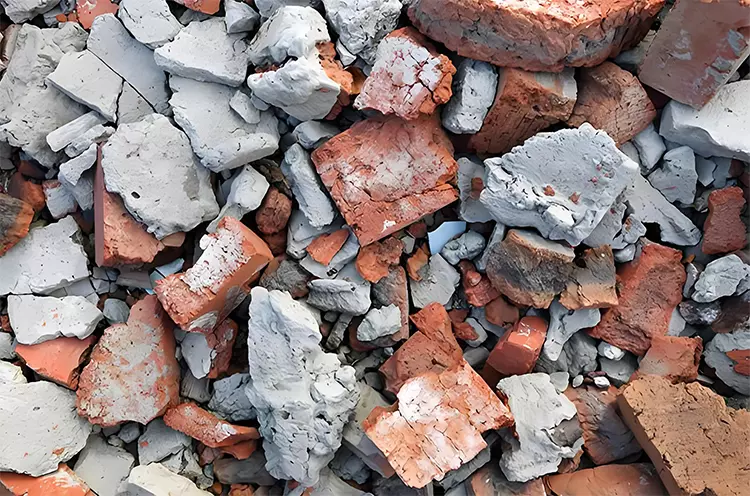
With frequent urban demolition, redevelopment, and infrastructure upgrades, construction waste has become one of the main components of solid urban waste. Traditional disposal methods fail to enable large-scale recycling, but mobile crushing stations are breaking this barrier by providing a powerful solution for converting waste into usable resources.
View Details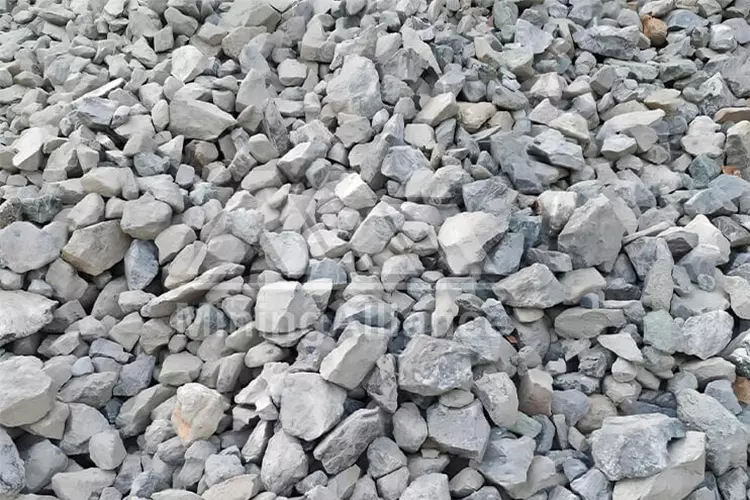
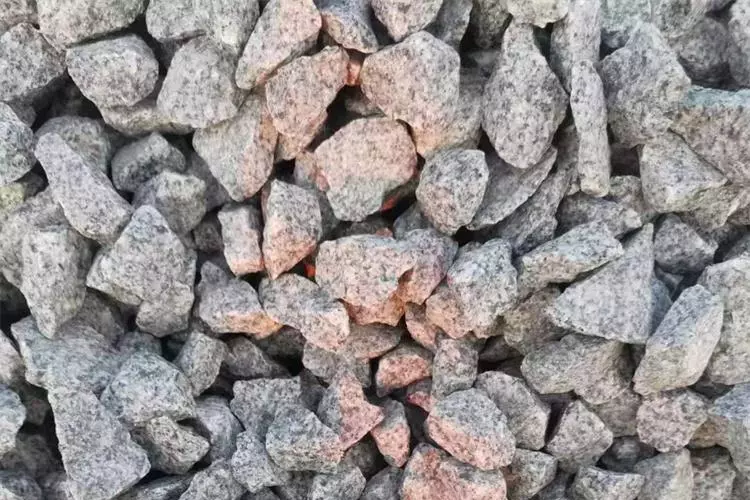
Granite is known for its uniform grain structure, strong hardness, and high resistance to wear, making it an ideal material for producing high-quality, long-lasting aggregates. It is widely used in road construction, railway ballast, building foundations, concrete production, and other infrastructure projects.
View Details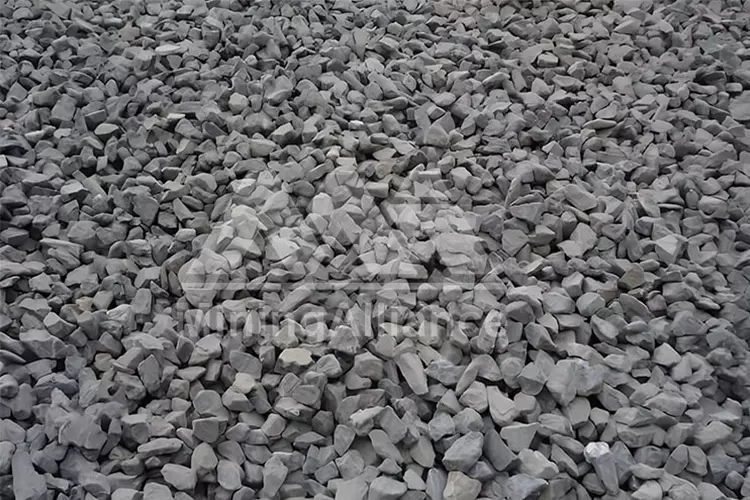
Limestone is one of the most abundant mineral resources on Earth, and it plays a critical role in a wide range of industries such as construction materials, cement manufacturing, metallurgy, chemical engineering, and environmental treatment. Due to its widespread availability, limestone can easily meet the material demands of various projects.
View Details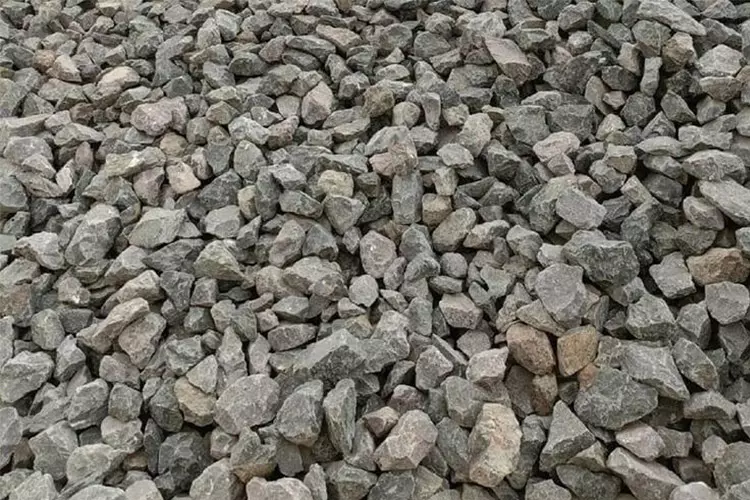
For projects requiring durable aggregates in hard-to-reach locations, mobile crushing and screening stations provide a scalable, reliable, and environmentally conscious solution for basalt processing. Their ability to deliver high-quality material with flexible deployment significantly enhances project economics and sustainability.
View Details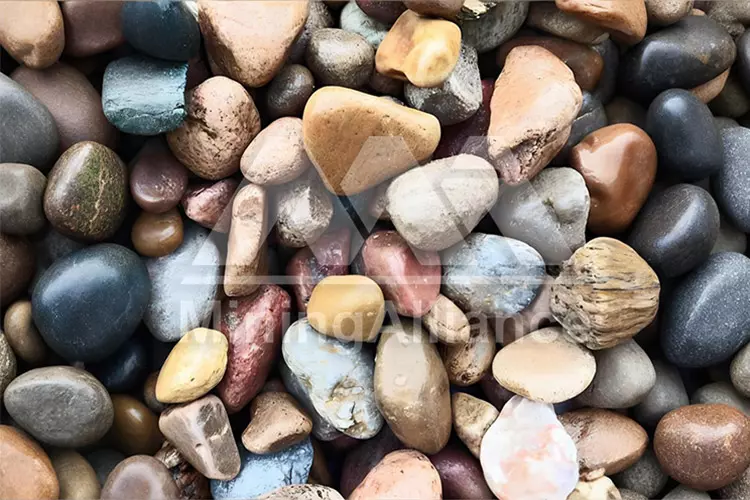
Riverstone mobile crushing plants provide a flexible, efficient, and cost-effective solution for the growing demand for manufactured sand and quality aggregates. With stable performance, easy operation, and excellent aggregate shape, mobile crushing plants are essential for quarry operators, construction companies, and infrastructure projects worldwide.
View Details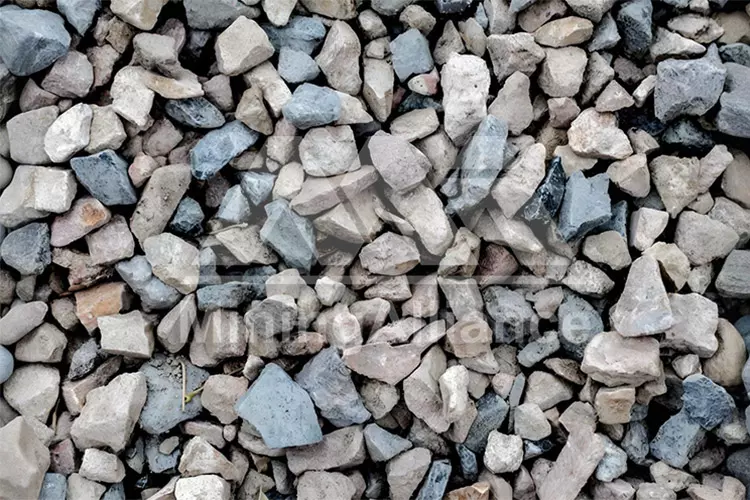
Gravel, composed of small rocks and stones, is widely used as aggregate in concrete, road construction, and landscaping. It provides a structural base for roads, improves soil drainage, and is often used around planting beds for decorative purposes or weed control. Some gravel pits may also contain metals or minerals, allowing for additional mining opportunities alongside gravel extraction.
View Details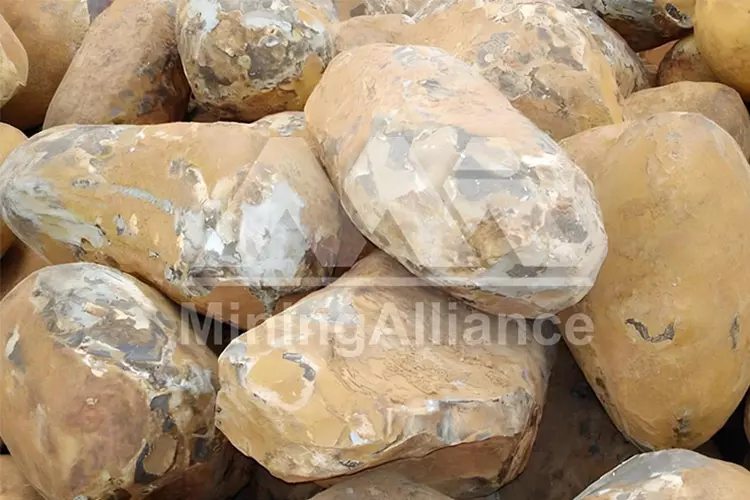
Andesite is a fine-grained, intermediate volcanic rock, typically gray in color and found in volcanic regions formed above subduction zones. Due to its high hardness, durability, and resistance to weathering, andesite is widely used in highway construction, railway ballast, concrete aggregate, and building materials. To meet the increasing demand for high-quality aggregates, mobile crushing equipment has become an ideal solution for efficient and flexible andesite processing.
View Details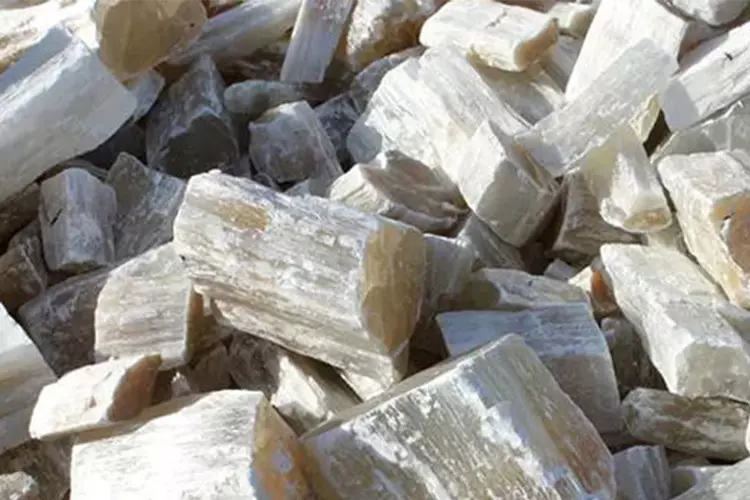
Gypsum is one of the most widely used minerals in construction and industrial applications. Its chemical composition, softness, and binding capabilities make it ideal for manufacturing plaster, wallboards, cement additives, and soil conditioners. However, before it can be used in any of these applications, natural gypsum must undergo a thorough crushing and processing cycle to transform it from raw mineral to usable product.
View Details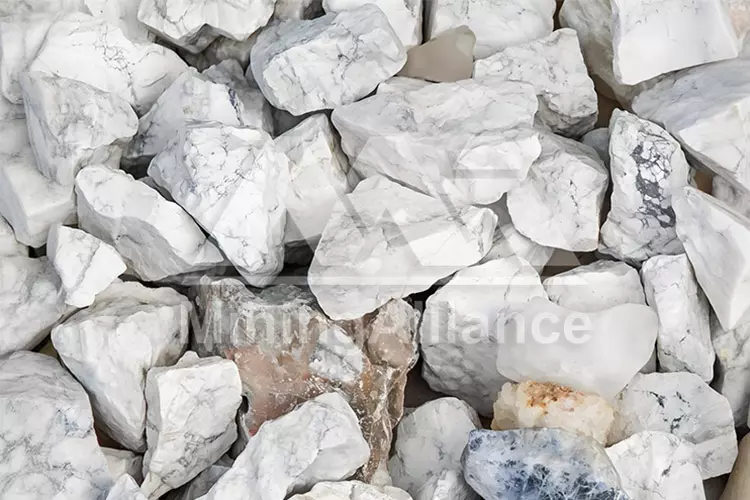
Marble is a type of recrystallized limestone formed under high temperature and pressure, which gives it a dense, durable structure and aesthetic appeal. Apart from being widely used in construction and decorative projects, the leftover material from marble processing also has high value. These by-products can be crushed into fine aggregates and powders, which are widely used in the chemical industry, fillers, and construction materials.
View Details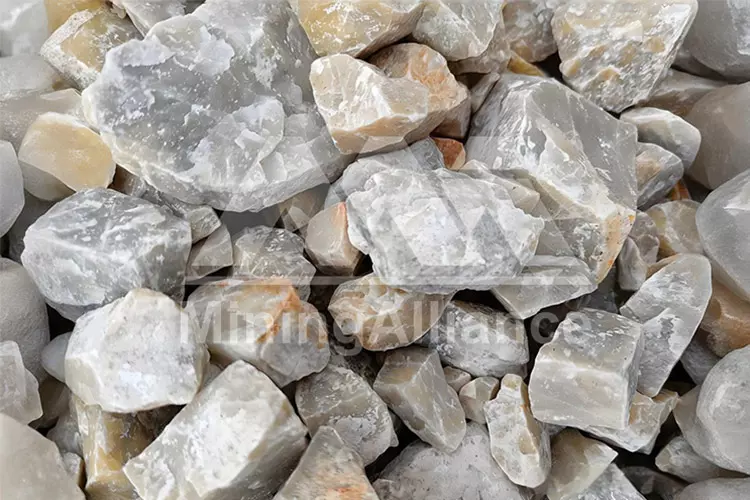
Dolomite is a carbonate mineral with a hardness of 3.5-4 and a specific gravity of 2.85-2.9. It is commonly found in gray-white color and has a similar appearance to limestone. Dolomite can be classified into iron dolomite and manganese dolomite. Due to its versatile properties, dolomite is widely used in building materials, ceramics, glass and refractories, chemical industries, agriculture, environmental protection, and energy-saving applications.
View Details
As the demand for sustainable and high-performance construction materials rises, river pebbles—composed primarily of silicon dioxide—have become increasingly valuable due to their hardness, durability, and environmental friendliness. Traditionally used in landscaping and high-grade concrete applications, pebbles now play a key role in eco-friendly construction, and modern processing methods are evolving to match that need.
View Details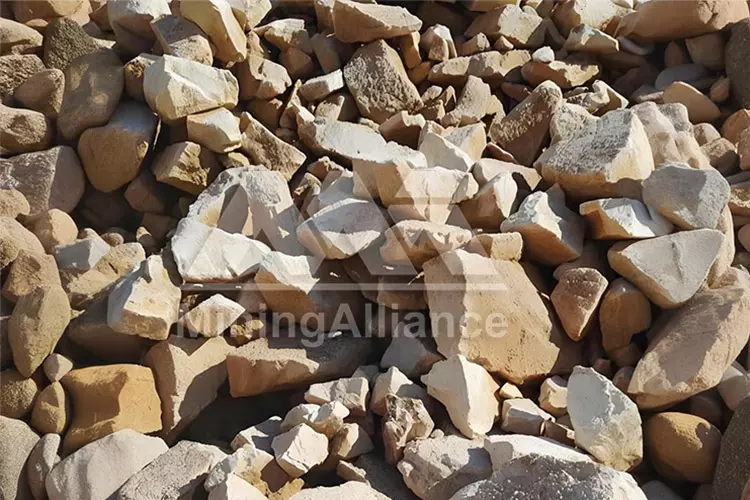
Feldspar is one of the most abundant minerals in the Earth's crust, widely used in ceramics, glassmaking, and even as a filler in paints, plastics, and rubber. Generally, feldspar appears milk white, but due to the presence of different impurities, it may also take on hues of yellow, brown, light red, or dark gray, and in some rare cases, even exhibit a beautiful iridescence that enhances its decorative value.
View Details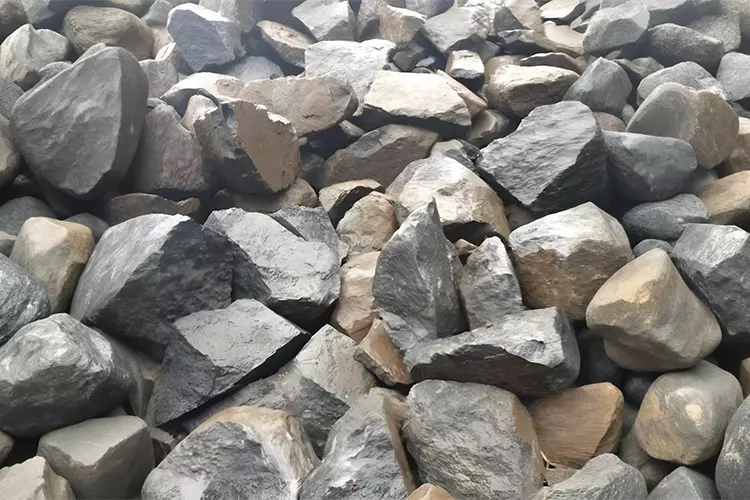
Gabbro is a coarse-grained, dark-colored intrusive igneous rock mainly composed of plagioclase and augite. Known for its hardness, density, and durability, gabbro is widely distributed in the deep oceanic crust and is a common raw material in large-scale construction projects. It is extensively used in producing crushed stone, aggregate bases, high-grade concrete, decorative stone, and road foundation materials. As demand for construction aggregates continues to rise, the mobile crushing station has become an essential piece of equipment for efficient gabbro crushing and processing.
View Details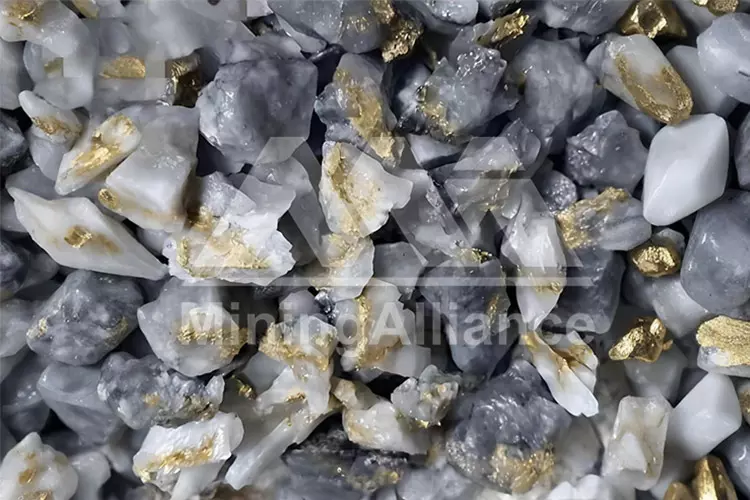
Gold ore is one of the most valuable mineral resources in the world. It contains gold elements or gold compounds that, after beneficiation and smelting, can be turned into high-purity gold products used in finance, jewelry, electronics, and aerospace industries. The process of gold ore beneficiation usually involves multiple stages, including crushing, grinding, classification, and separation. In this process, the mobile crushing station plays a crucial role as the first step in transforming raw ore into valuable concentrates.
View Details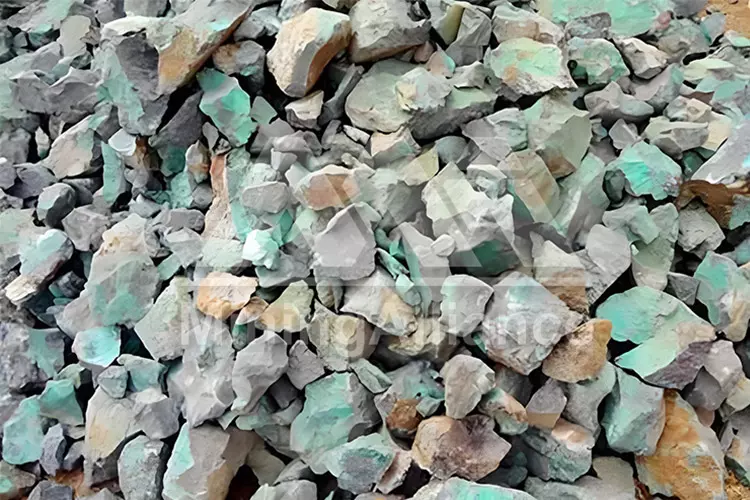
Copper ore is one of the most valuable metal resources in modern industry. It plays a crucial role in the fields of electrical equipment manufacturing, construction materials, transportation, and alloy production. With the increasing demand for high-purity copper, efficient and flexible ore processing equipment has become essential. Among various solutions, mobile crushing stations have demonstrated remarkable advantages in copper ore beneficiation projects around the world.
View Details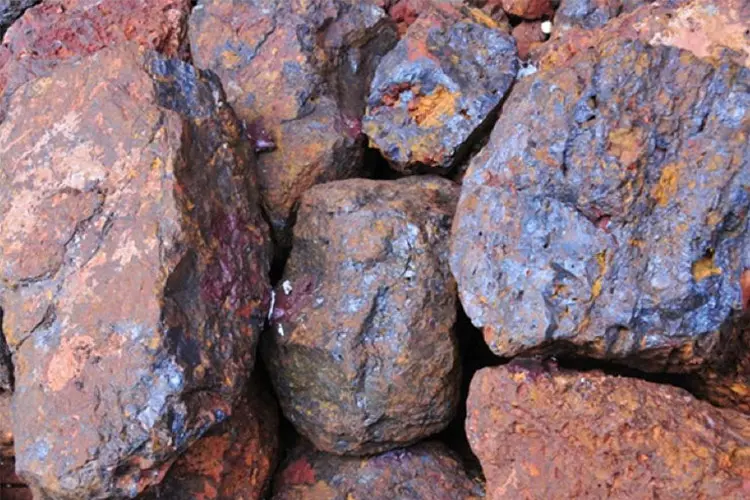
Iron ore is an important raw material of steel producers.After crushing, grinding, magnetic separation, flotation, re-election and other procedures, natural minerals(iron ore)elected gradually of iron. Iron exist in nature all in compounds state, especially in the state of iron oxide but has more impurities. Such as hematite, magnetite, siderite, limonite, etc.
View Details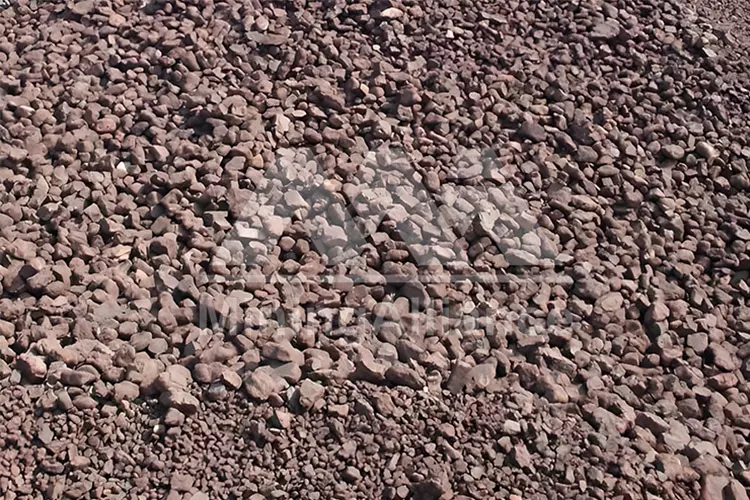
The beneficiation of manganese ore is a comprehensive process that integrates crushing, screening, grinding, separation, washing, and smelting. With optimized process design, resource utilization can be greatly improved, costs reduced, and high-value concentrates obtained for multiple industrial applications.
View Details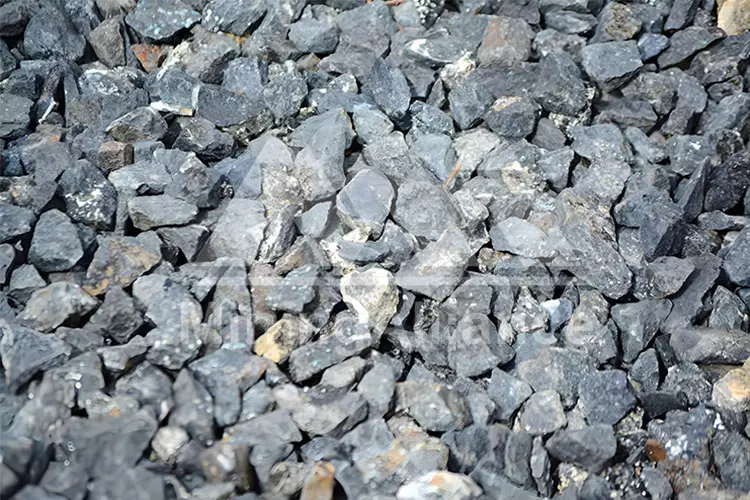
Lead-zinc ore is a key non-ferrous metal resource, widely used in industries such as metallurgy, machinery, electricity, and chemicals. In the beneficiation process, crushing is the first and most crucial step. With the development of modern mining, mobile crushing stations have gradually replaced traditional fixed crushing plants, offering higher flexibility, efficiency, and environmental adaptability.
View Details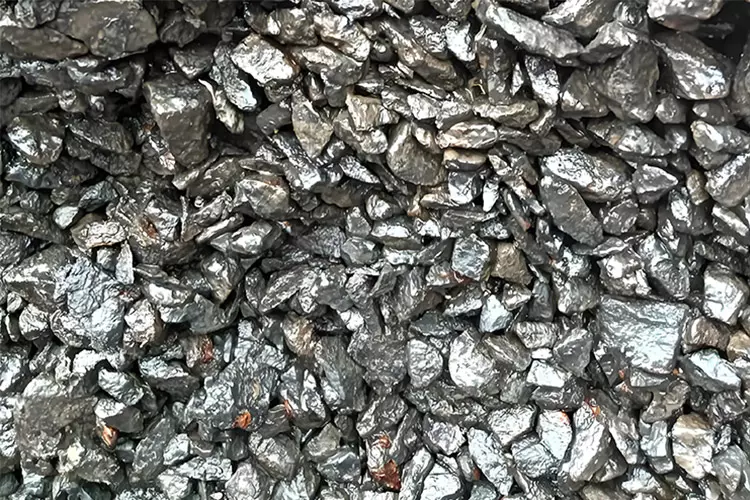
With the rising demand for high-quality iron ore in the steel industry, magnetite beneficiation technology continues to evolve and improve. By applying weak magnetic separation, phased separation, and dry pre-selection in a scientific manner, enterprises can enhance production efficiency, maximize resource utilization, and gain advantages in energy saving, emission reduction, and sustainable development.
View Details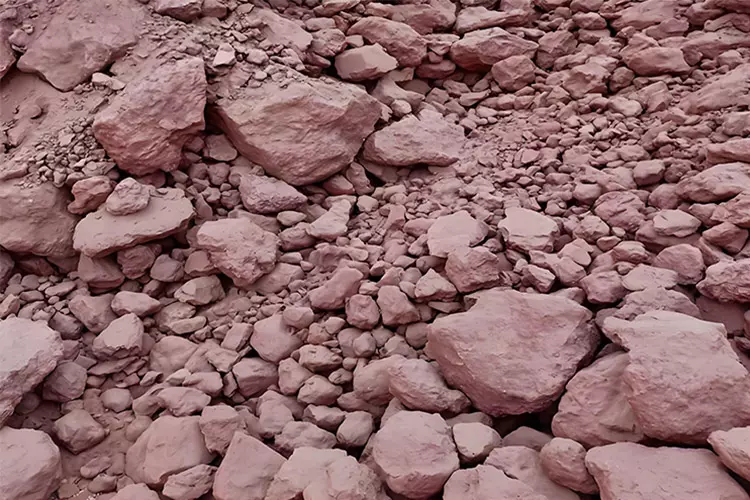
Hematite beneficiation processes are customized according to ore properties: fine particles utilize roasting-magnetic separation, coarse grains employ combined gravity-magnetic methods, and silica removal is achieved through flotation. For polymetallic ores, integrated magnetic-flotation techniques recover both iron and sulfides, while siderite-magnetite mixtures primarily use weak magnetic separation with optional roasting or gravity refinement.
View Details