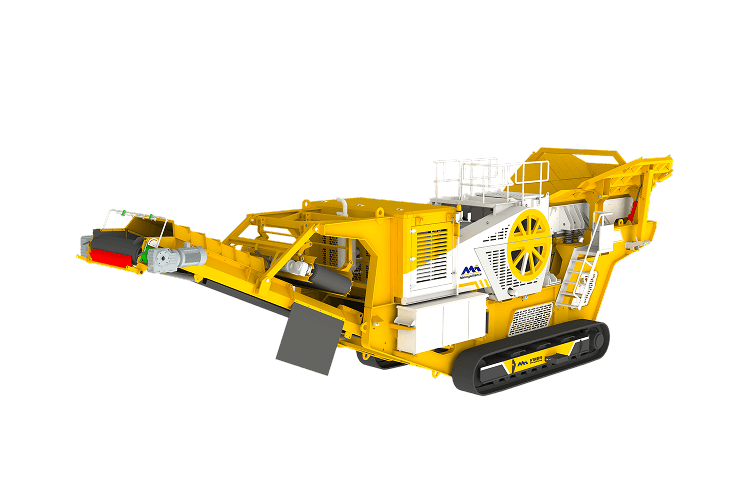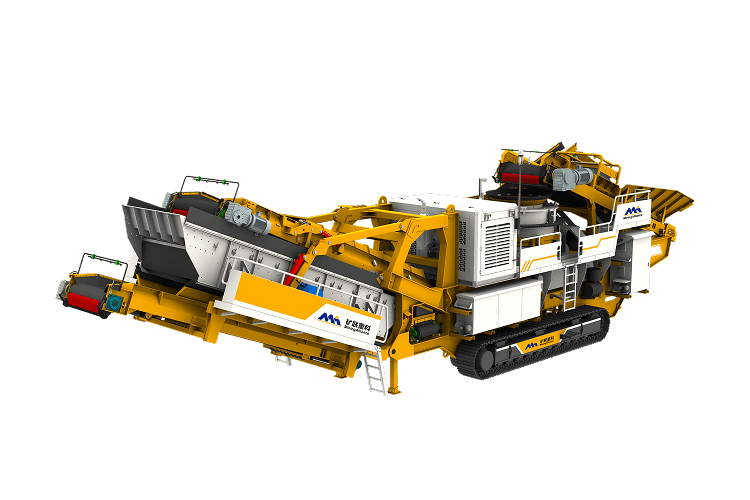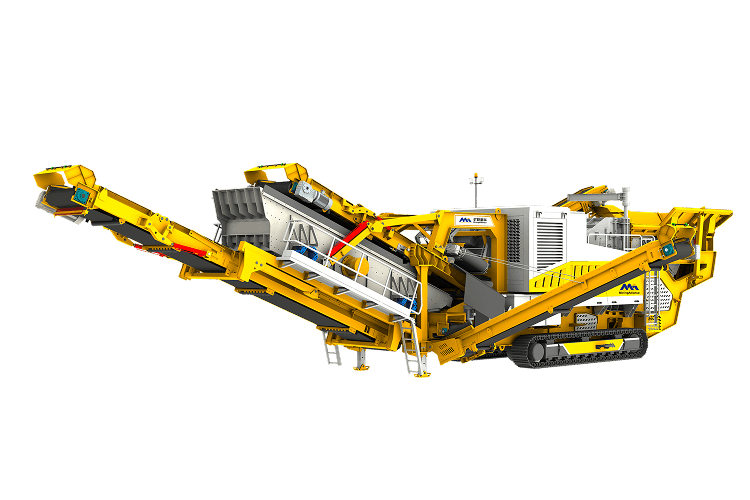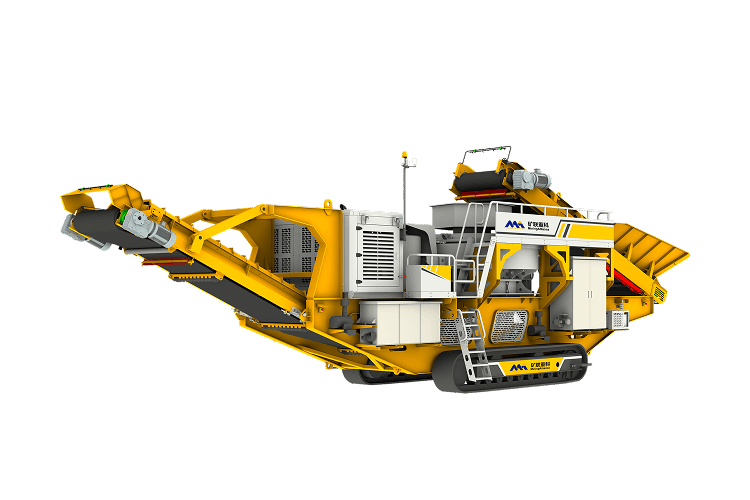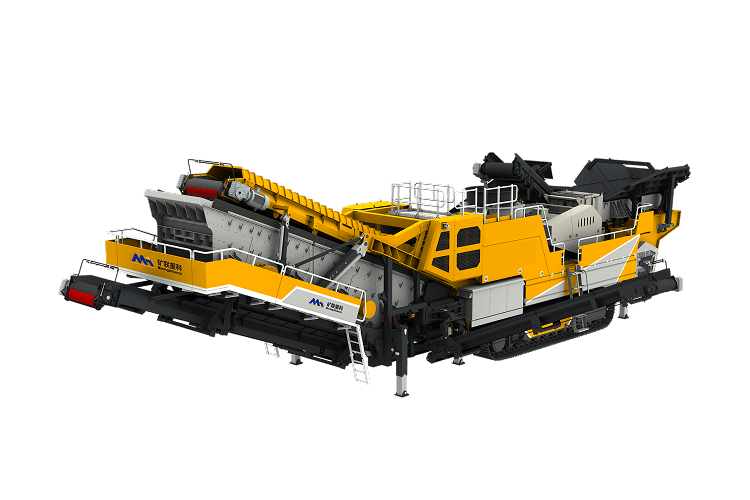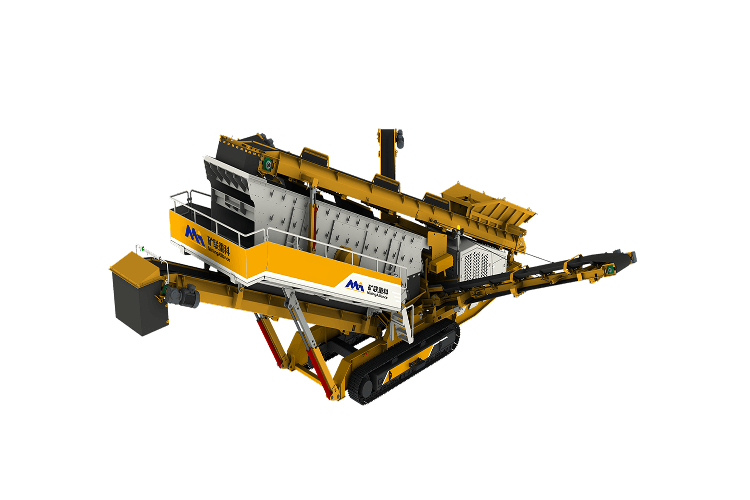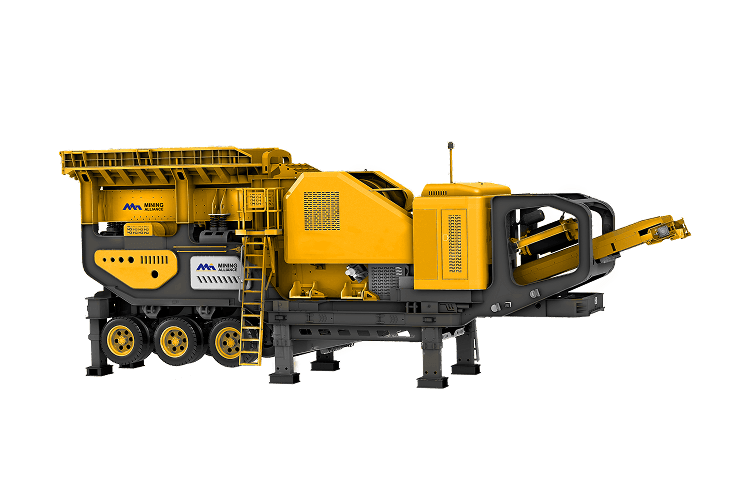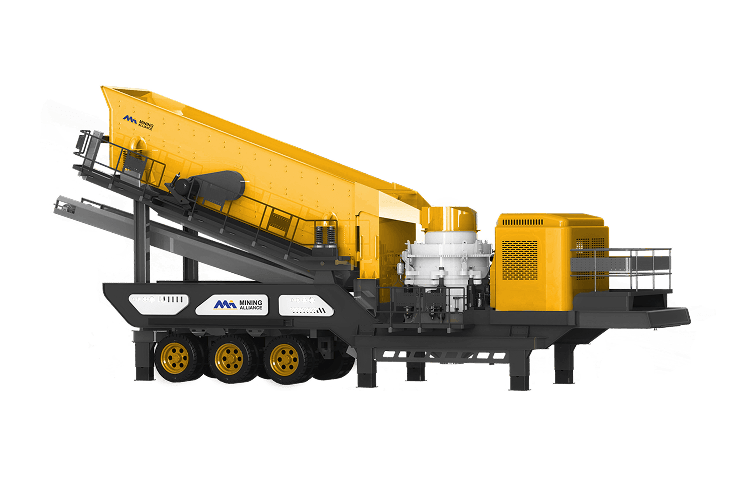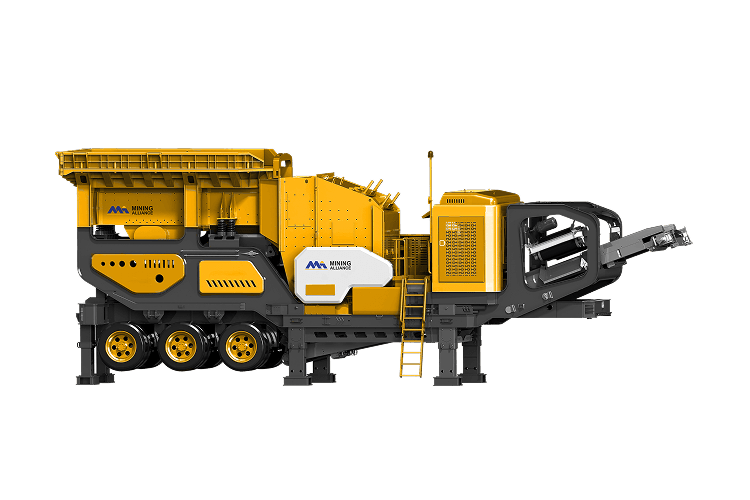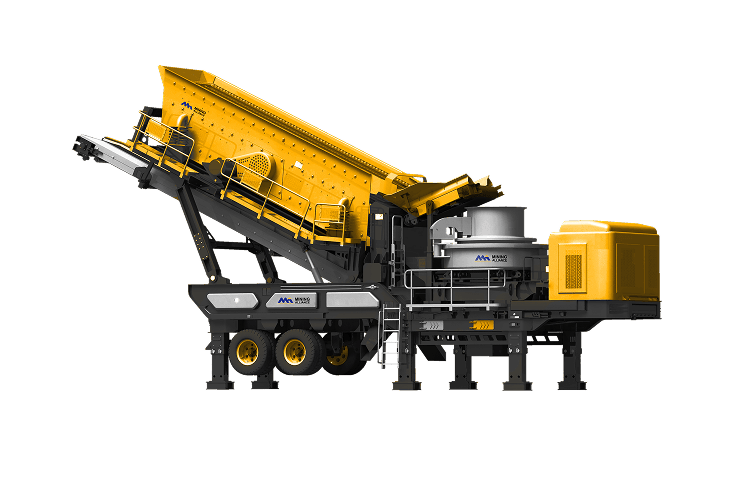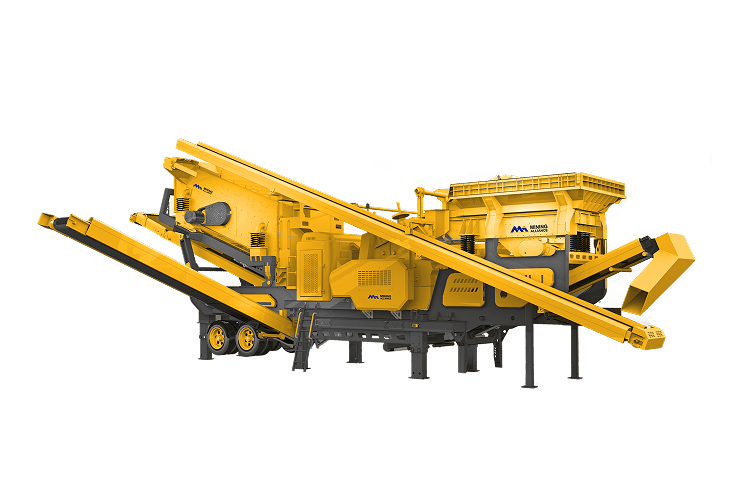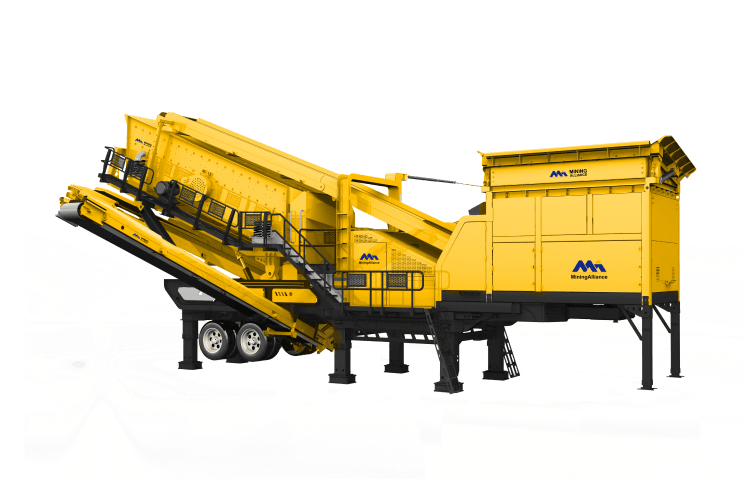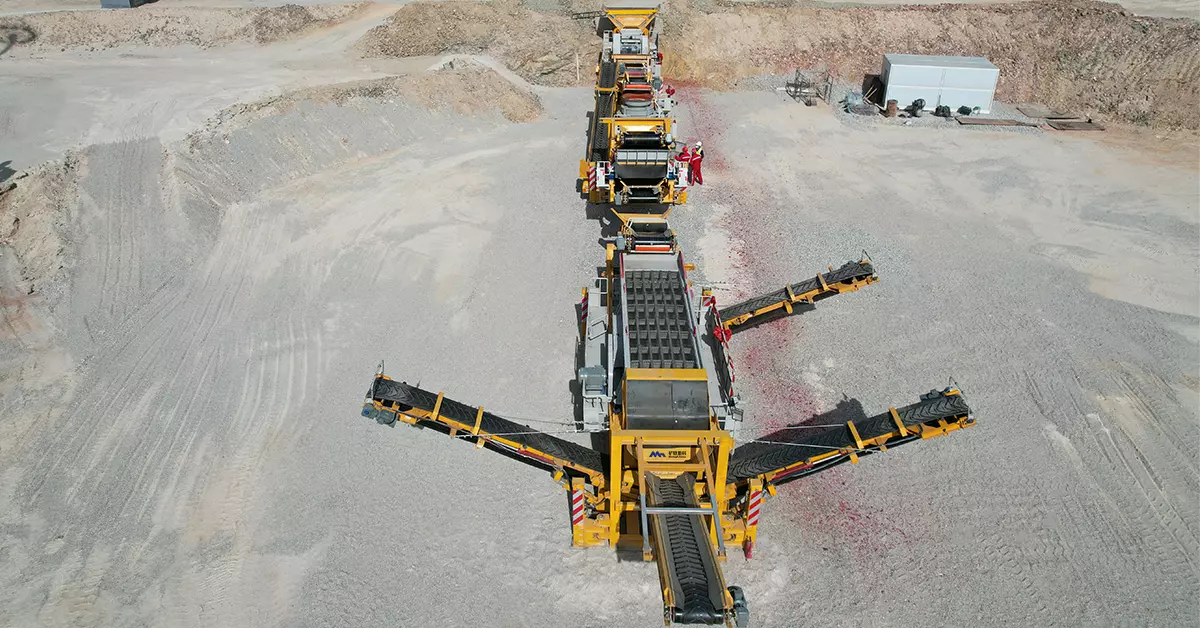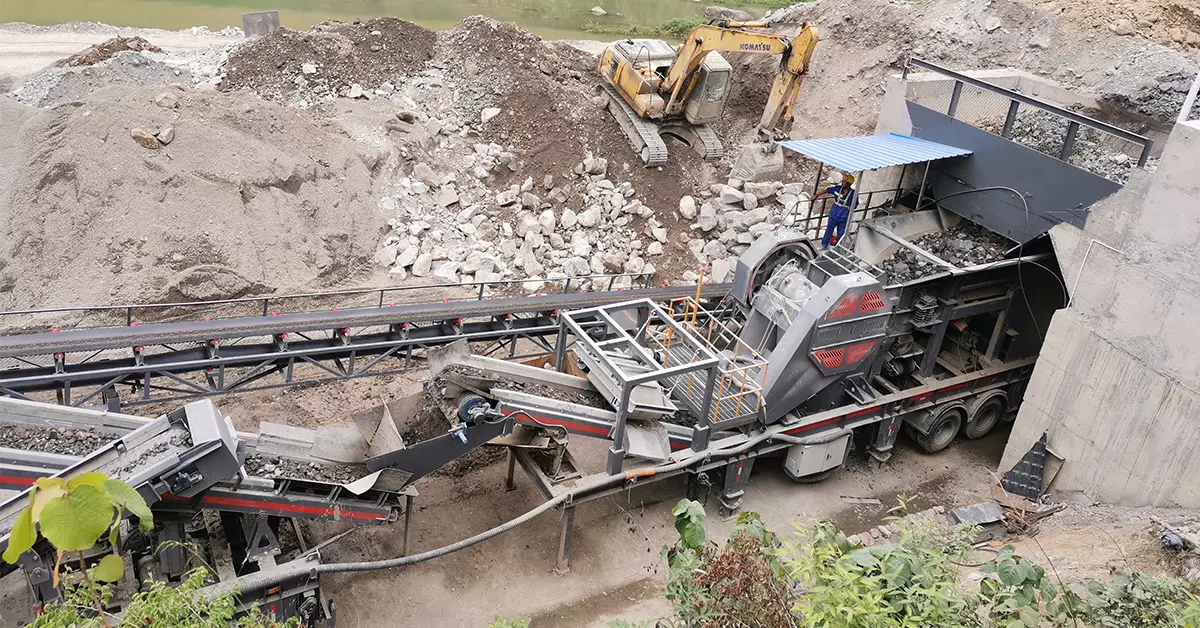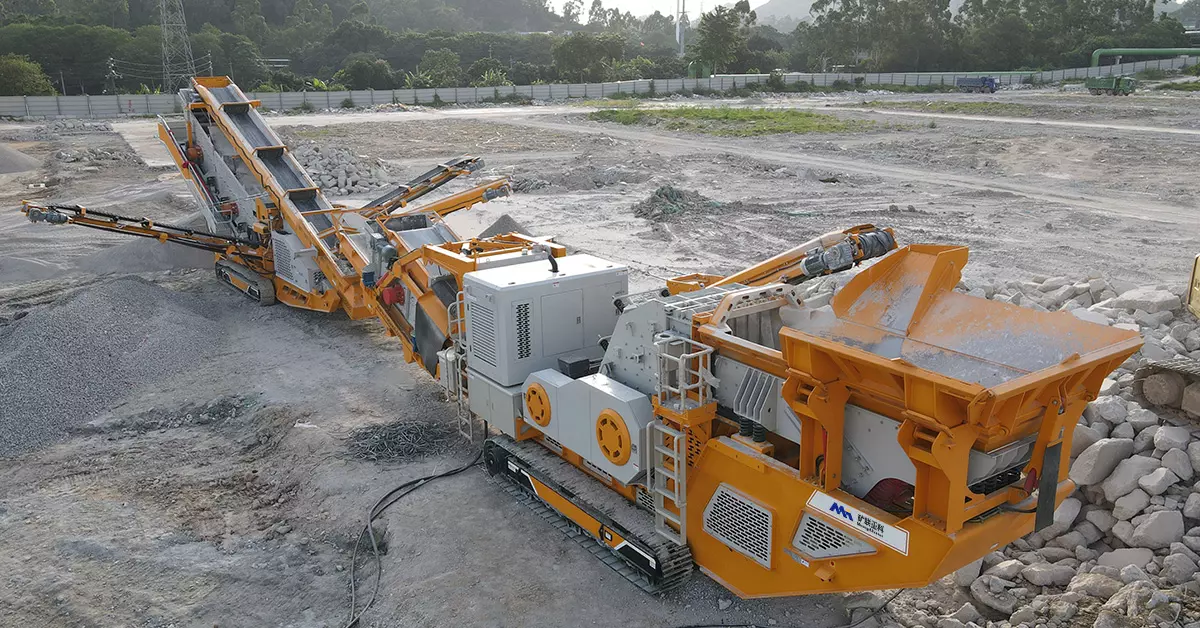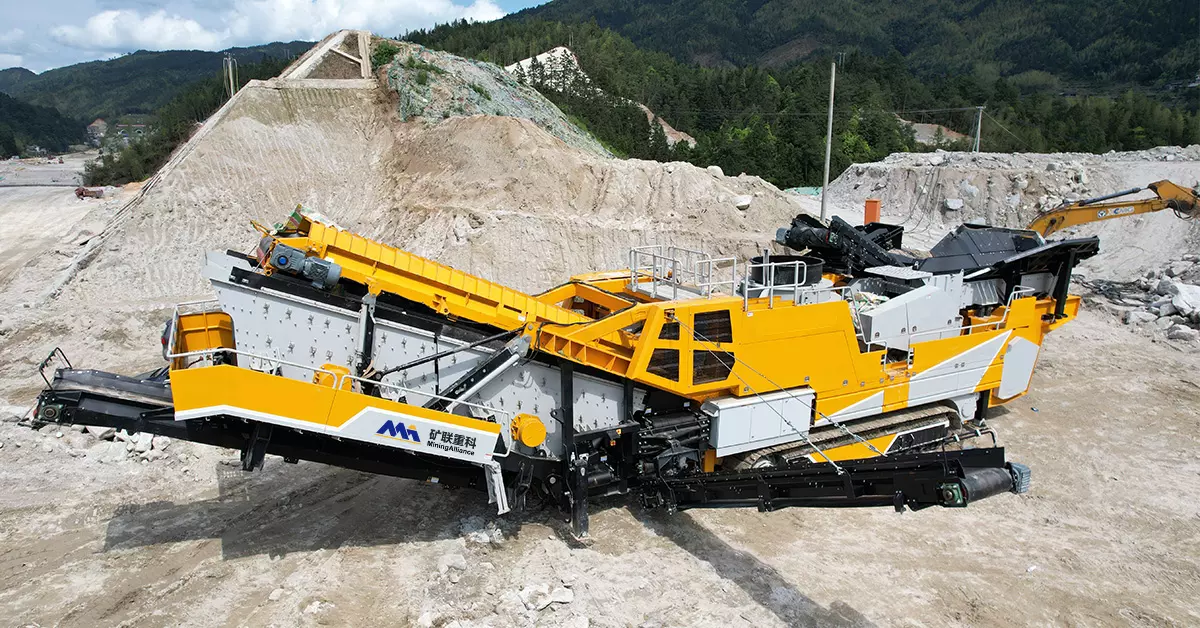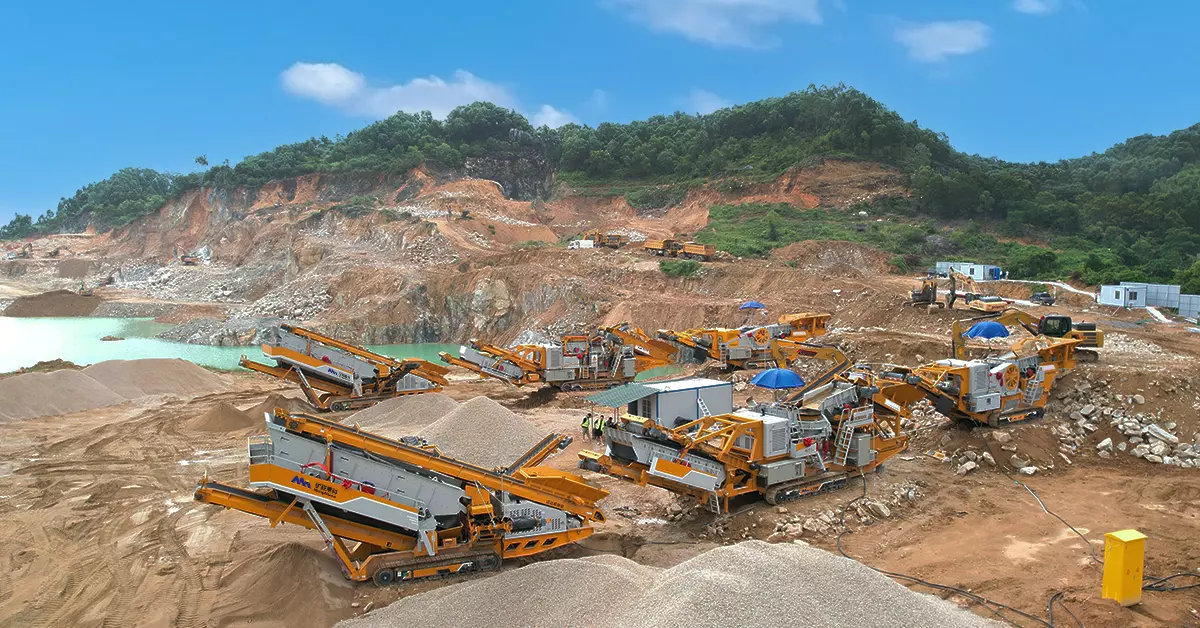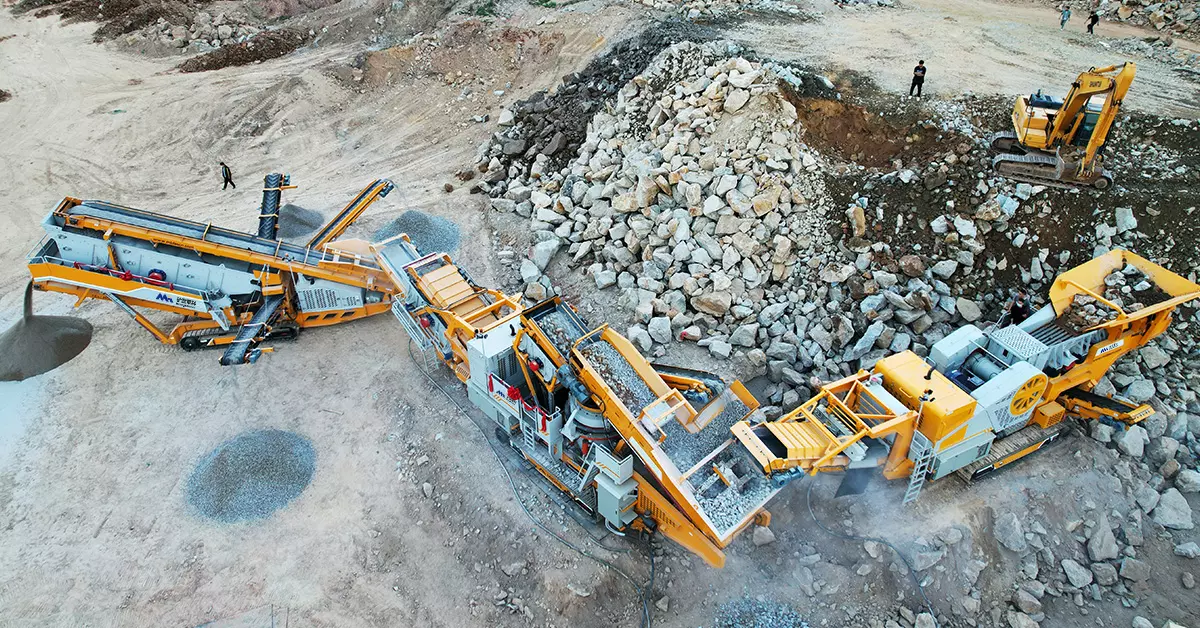

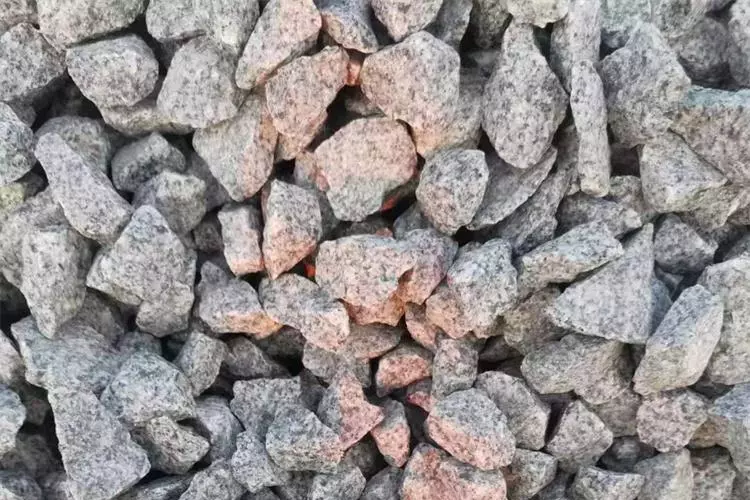
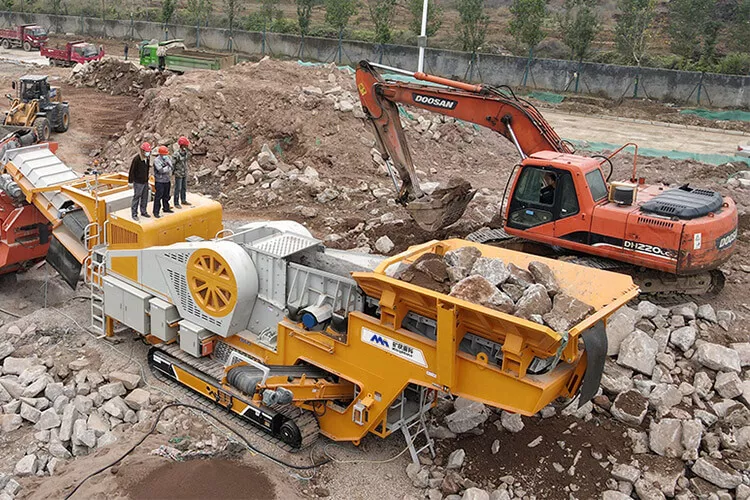
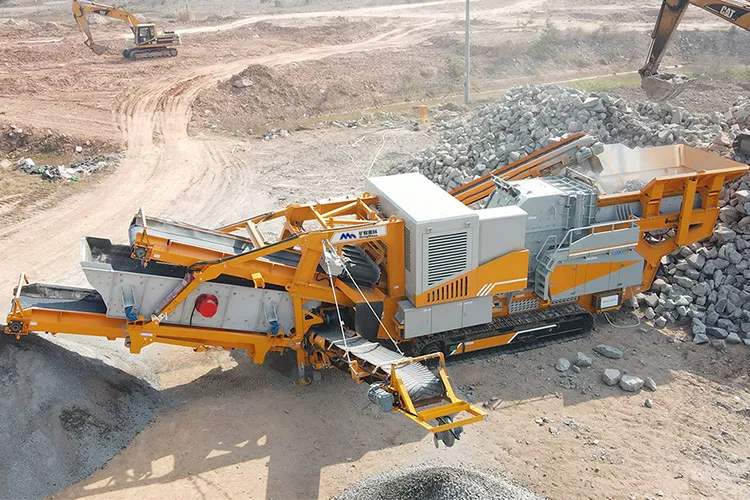
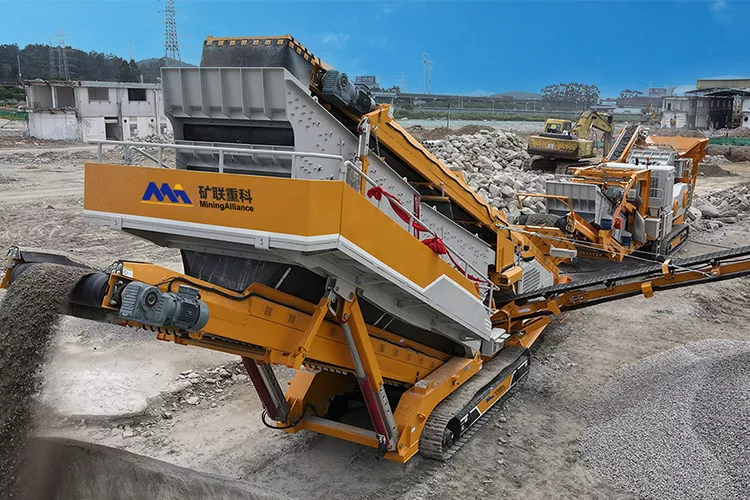
Construction aggregates are commonly used in concrete mixing plants, asphalt mixing plants, it’s applied for transportation & real estate construction. Construction aggregate crushing production lines usually use jaw crushers as primary crushing, and use impact crushers or cone crushers as secondary crushing. If a large amount of sand is required, a vertical shaft impact crusher can also be added. For high-quality construction aggregates, the finished product also needs to be cleaned, which can be divided into dry production and wet production.
Aggregate refers to a broad category of coarse to medium-grained particulate materials. It is typically mined from natural sources such as riverbeds, quarries, or rock outcrops and then mechanically crushed and sorted for specific applications.
Raw materials extracted from nature are often irregular in shape, size, and quality. The crushing and processing of aggregates ensure the production of uniform, graded material suitable for use in:
High-quality aggregates directly influence the strength, durability, and safety of construction projects.
The aggregate crushing process typically involves several sequential stages:
The first stage involves reducing large rock chunks (up to 1000 mm) into smaller pieces. This is typically achieved using:
Material from the primary crusher is fed into secondary crushers to reduce size further. These include:
After crushing, the material is screened into different sizes. Vibrating screens are used to separate fine, medium, and coarse aggregates.
For high-specification projects, a third stage of crushing may be necessary to refine particle shape and size, especially for road surface layers or decorative stone.
Some aggregates require washing to remove clay, silt, or dust, especially when used for concrete or asphalt. This ensures clean material and better bonding in the final product.
A well-designed aggregate crushing plant may consist of:
Modern aggregate plants are often fully automated with PLC control systems, telemetry, and real-time monitoring of performance, vibration, and output.