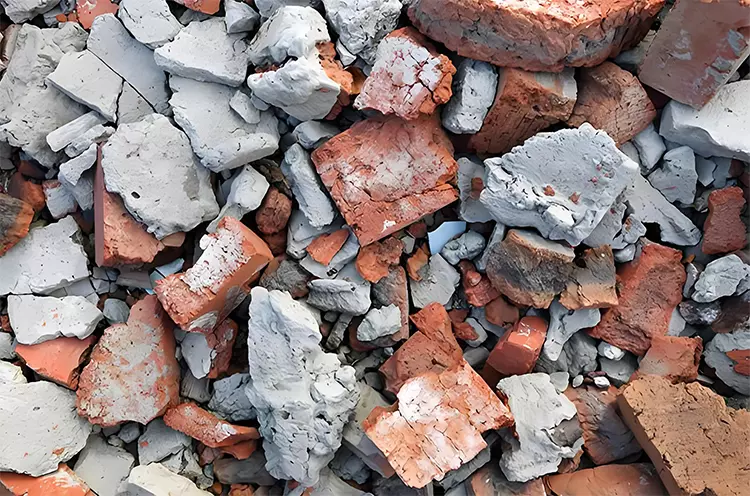
With frequent urban demolition, redevelopment, and infrastructure upgrades, construction waste has become one of the main components of solid urban waste. Traditional disposal methods fail to enable large-scale recycling, but mobile crushing stations are breaking this barrier by providing a powerful solution for converting waste into usable resources.
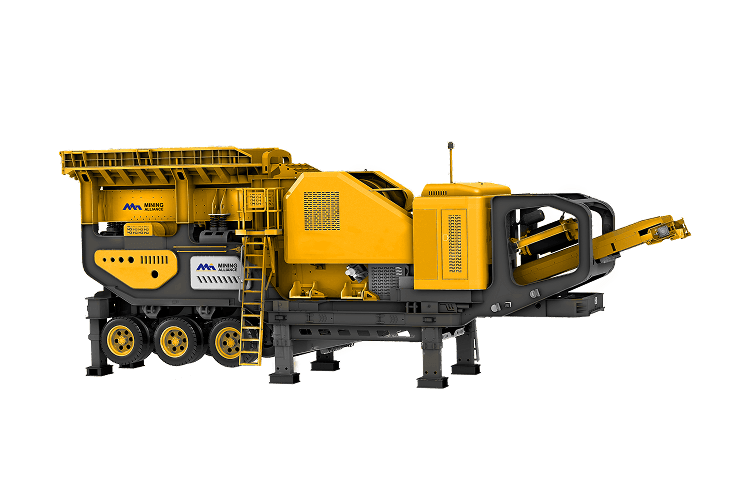
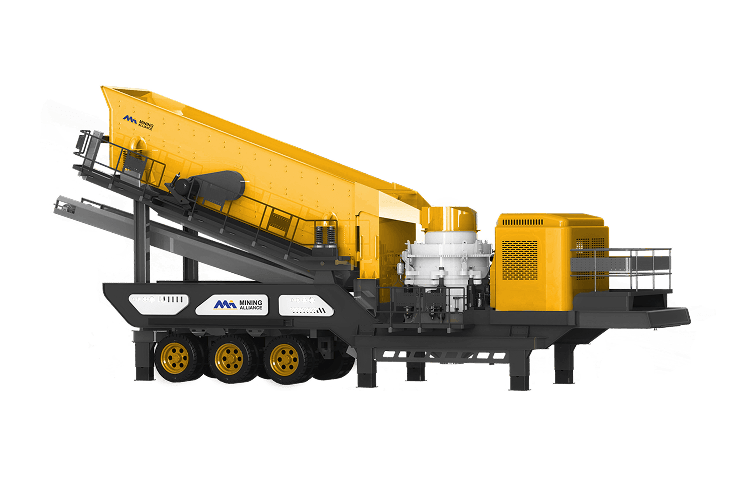
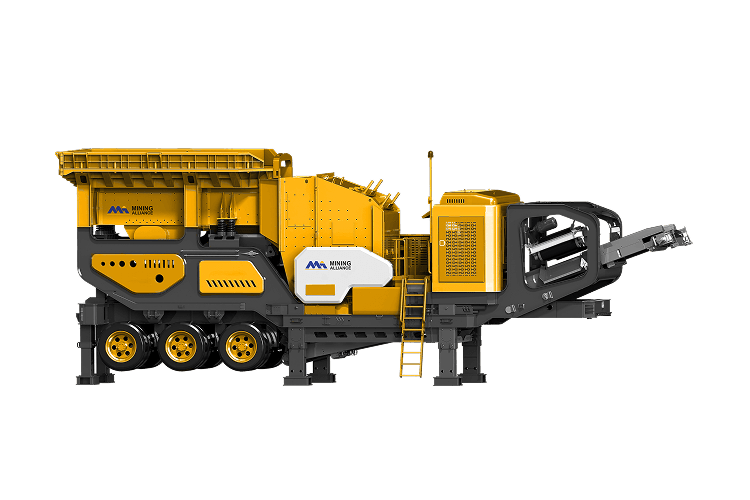
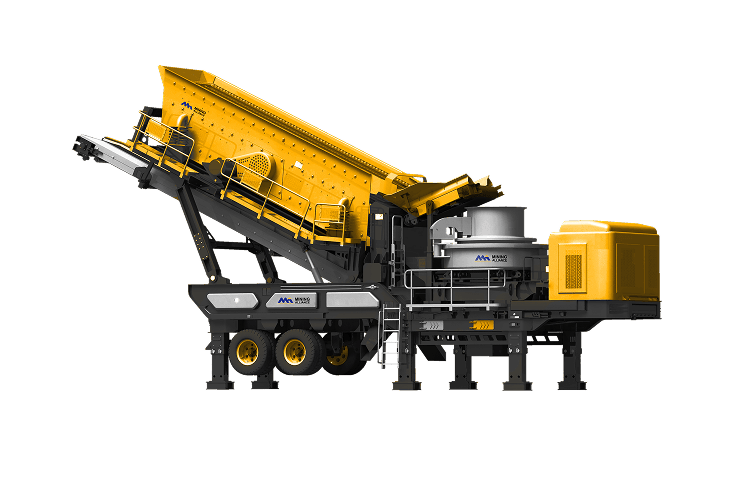
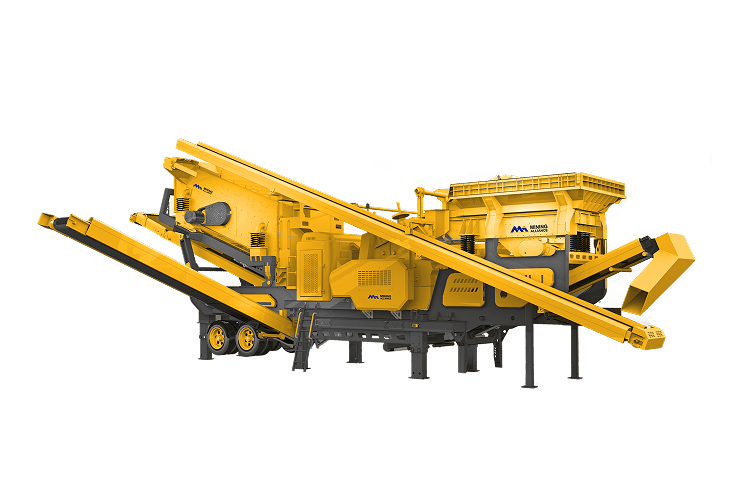
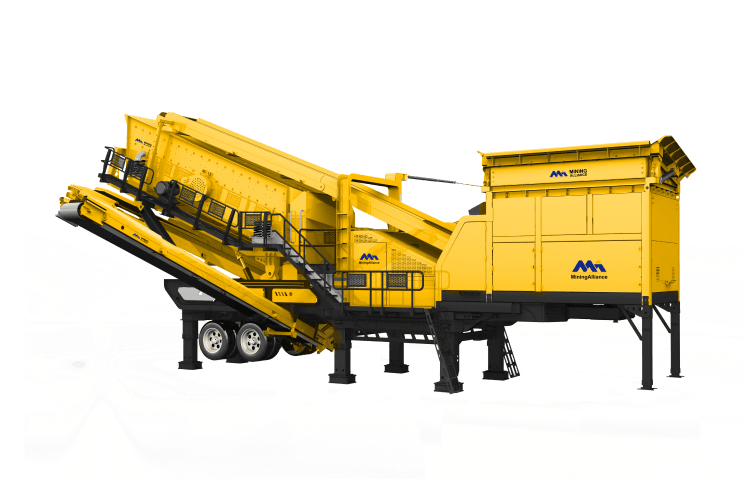
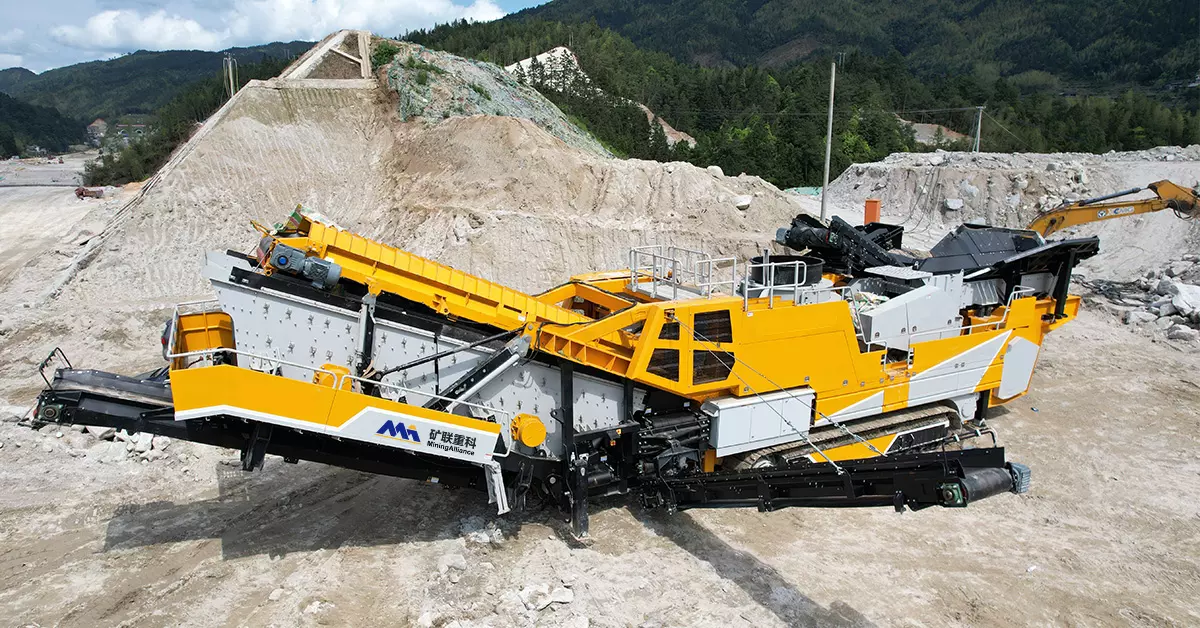
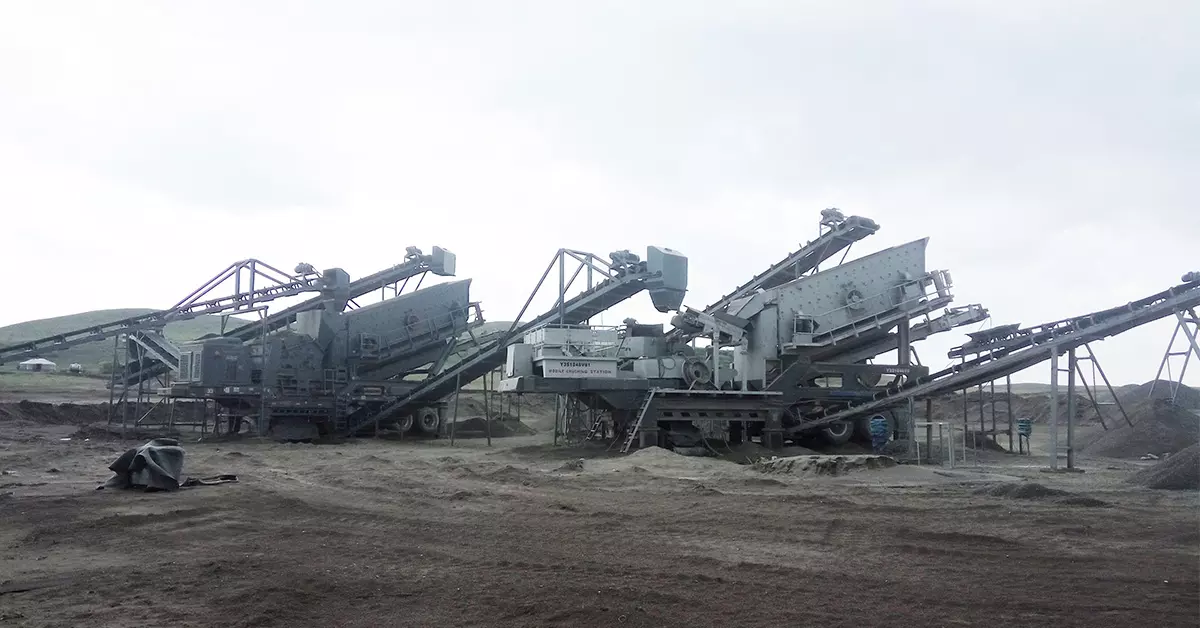
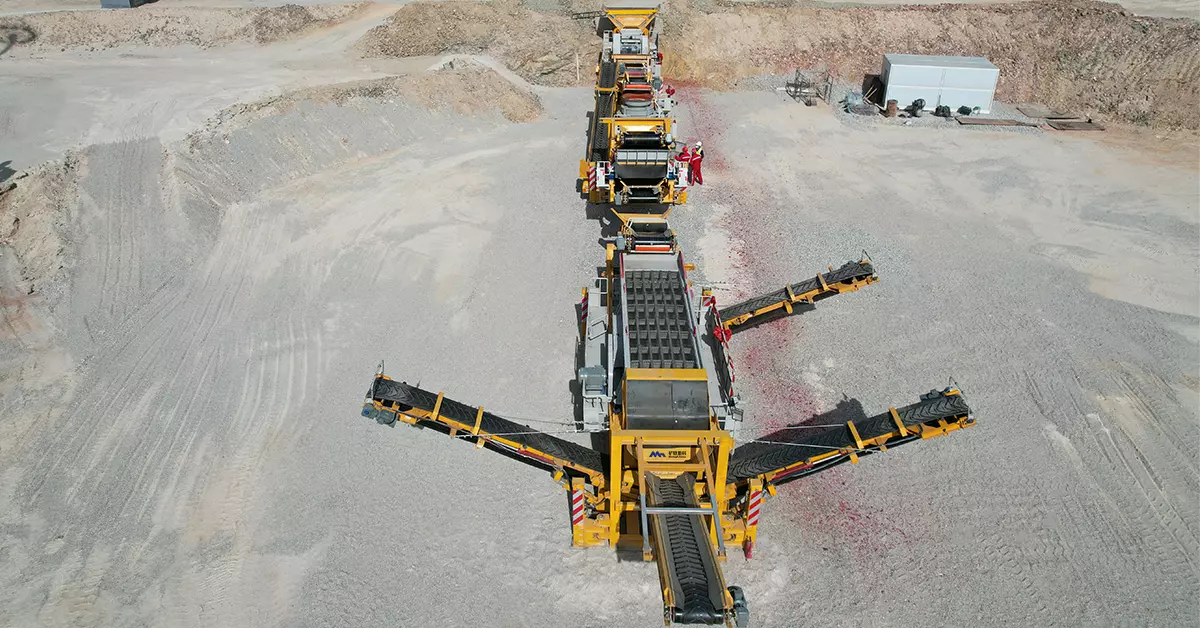
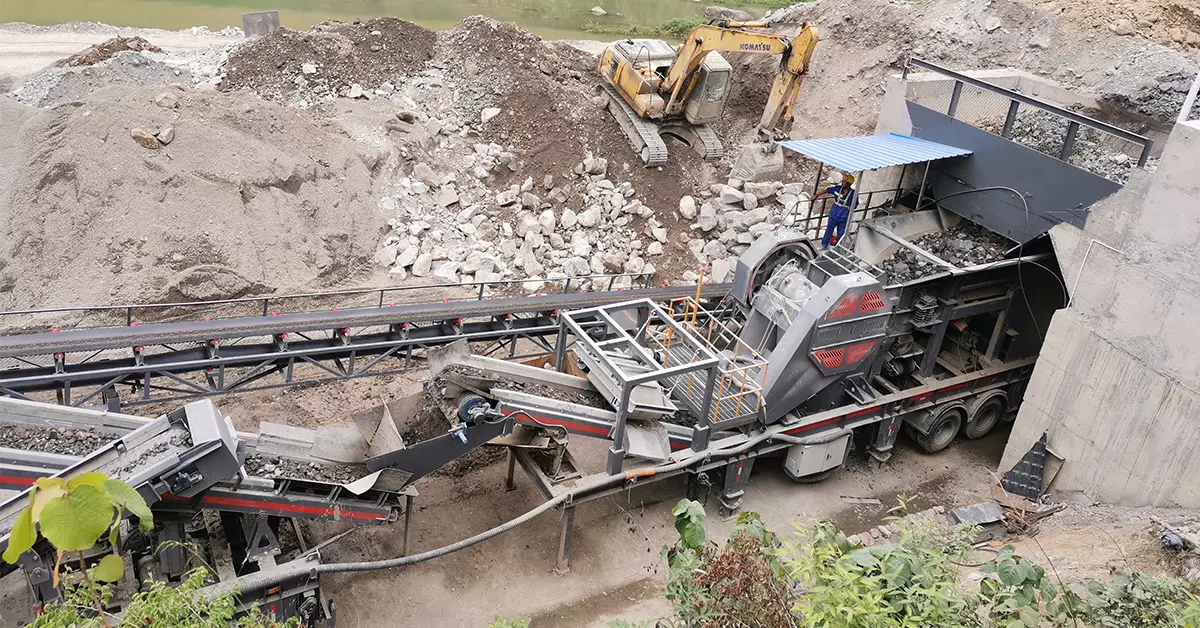
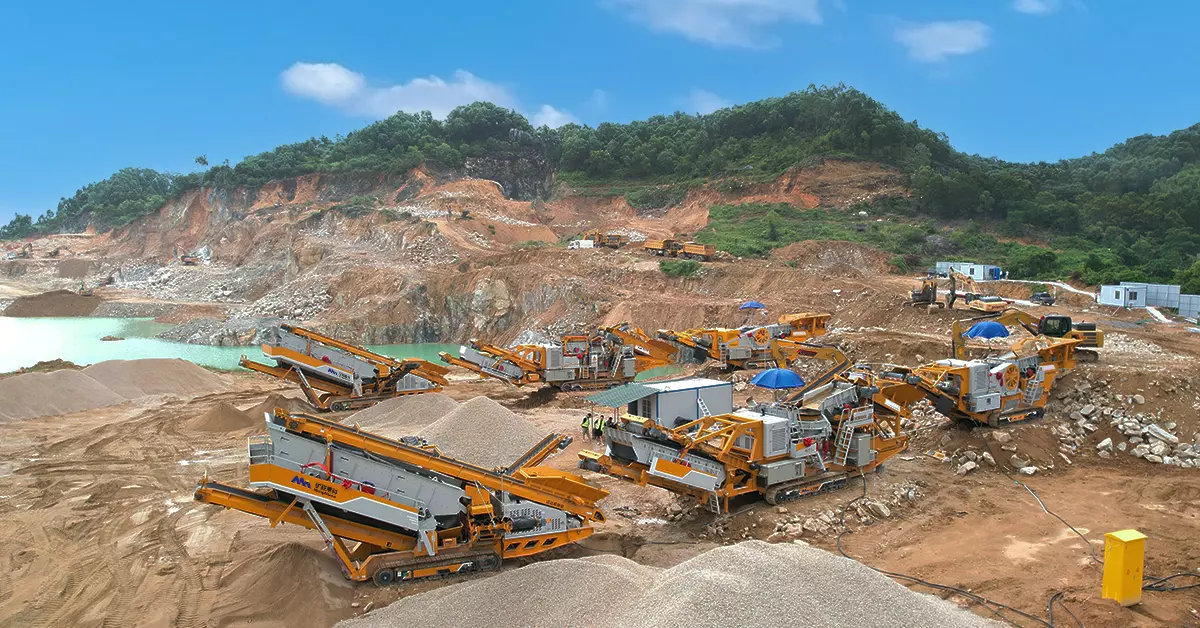
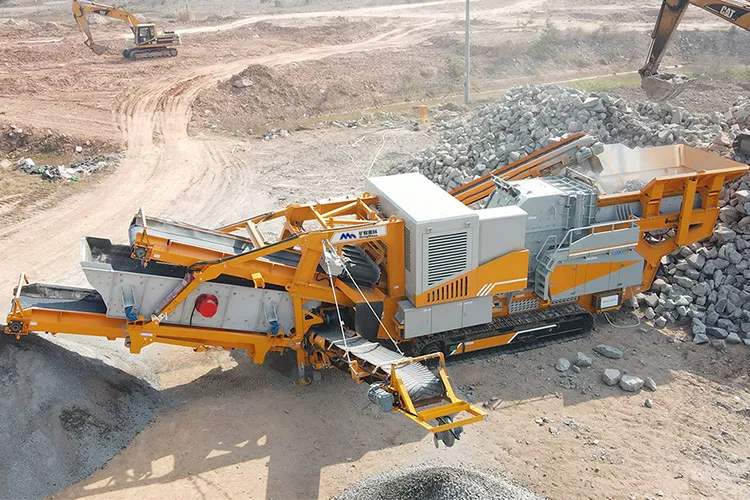
Mobile crushing stations offer remarkable advantages in processing construction waste. They can flexibly enter demolition sites and job locations without external power supply, independently completing the entire process from raw material feeding and crushing to screening and grading.
The core crushers are optimized to handle complex materials like reinforced concrete, bricks, and masonry debris, delivering uniform and high-strength recycled aggregates.
These aggregates can be used to produce eco-friendly materials like recycled concrete and masonry blocks, and they are suitable for road subbase, landscaping, and utility backfilling in municipal projects.
Mobile crushers enable on-site waste treatment and reuse, saving on transportation and site management costs while reducing secondary pollution.
Modern mobile stations also incorporate cloud-based control systems and remote monitoring capabilities, allowing real-time tracking, fault alerts, and operational analytics. Their energy-saving drive systems further enhance environmental adaptability.
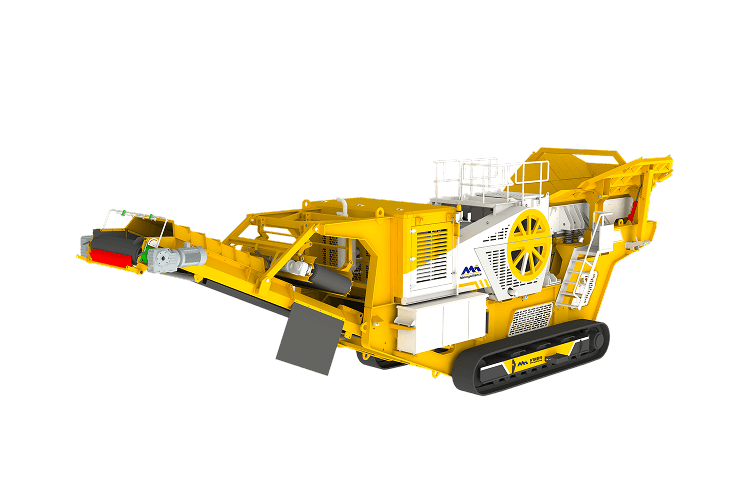
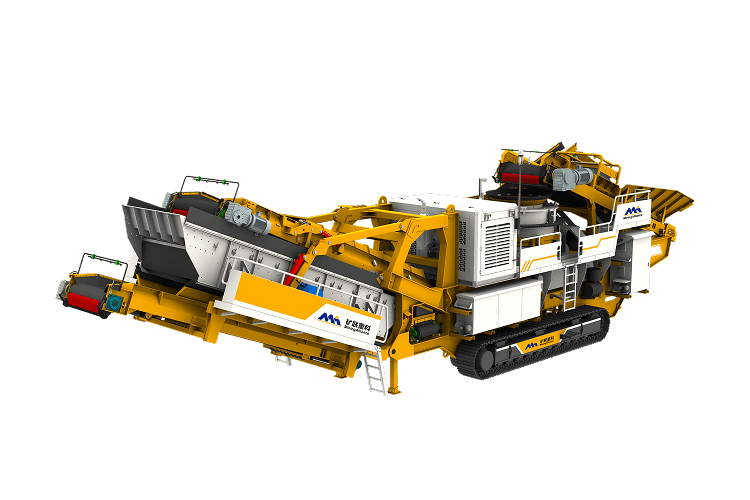
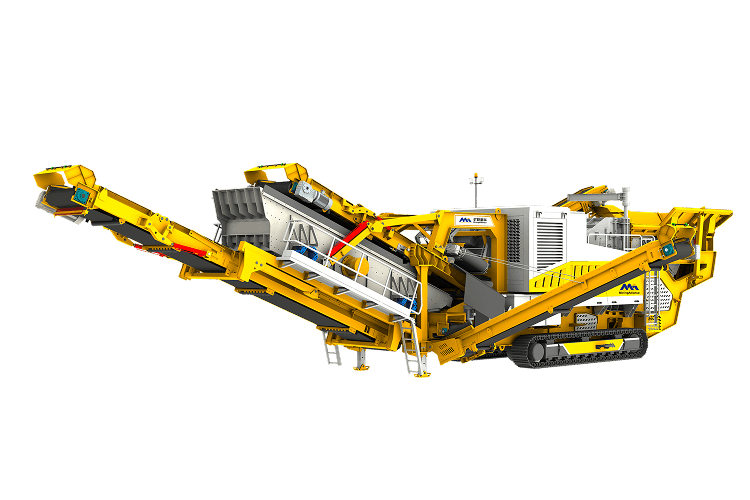
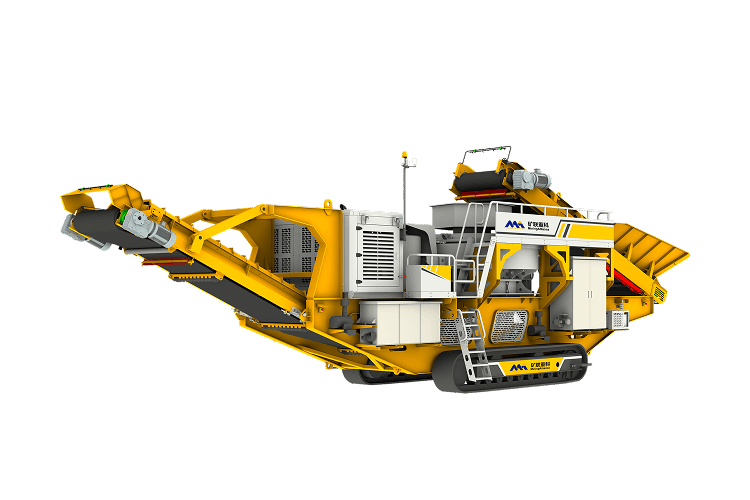
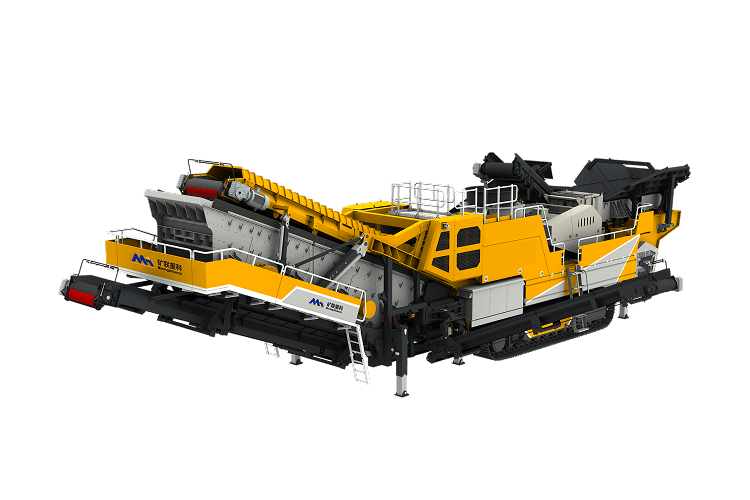
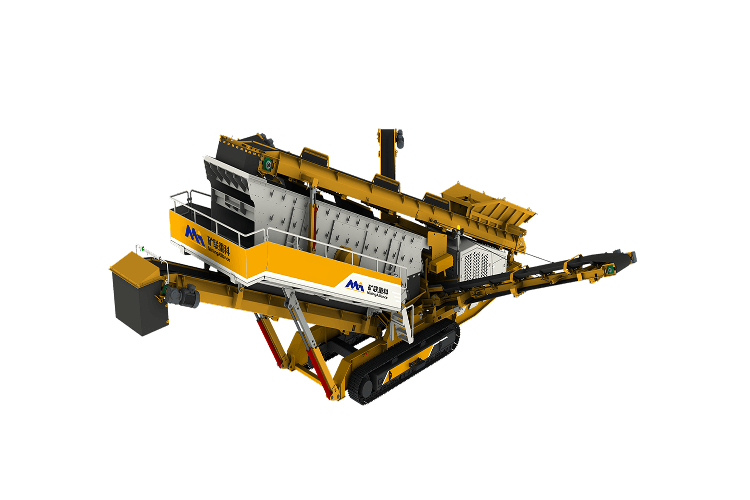
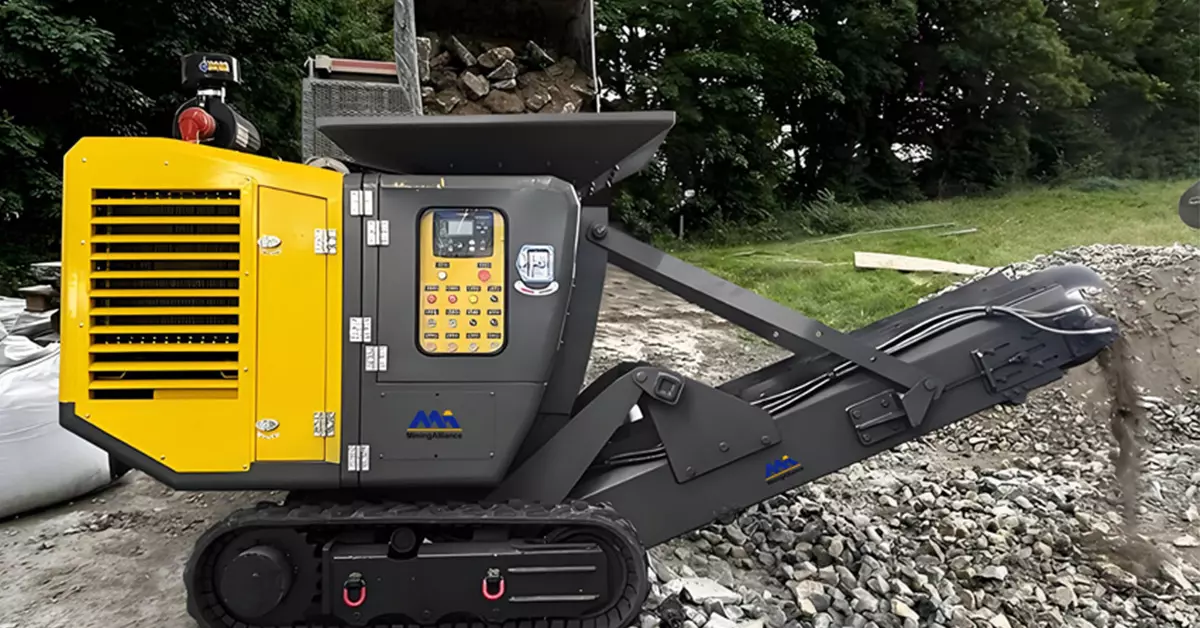
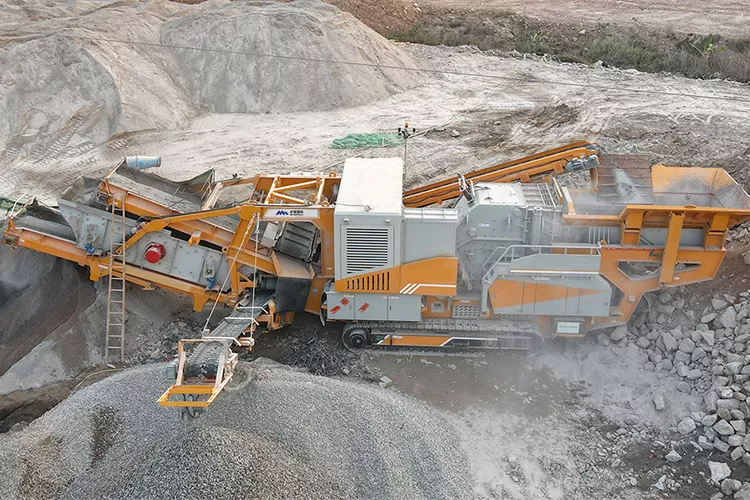
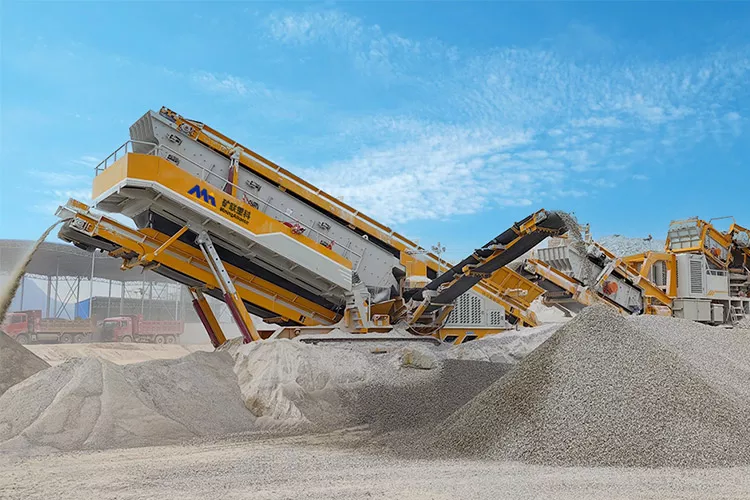
Tracked mobile crushing stations feature a compact structure and strong mobility, enabling them to drive directly into demolition sites. Integrating feeding, crushing, screening, and conveying into one unit, these machines require no complex infrastructure and can be rapidly deployed, significantly improving processing efficiency.
Depending on the type of material, users can equip jaw, impact, or cone crushers to handle concrete debris, bricks, and rebar-laden waste with high efficiency, covering all stages from primary to fine crushing.
More importantly, the processed aggregates can be reused on-site or in the production of recycled bricks, concrete mixes, or road base materials—turning waste into valuable resources and reducing construction costs and raw material consumption.
The stations are equipped with advanced dust suppression systems and noise-reduction features, making them ideal for operations in urban environments with strict environmental regulations.
Intelligent systems allow for remote control and real-time data monitoring, ensuring safer and more efficient operations. The hybrid diesel-electric powertrain enables flexible adaptation to site conditions while reducing fuel consumption and carbon emissions.