With the rising demand for high-quality iron ore in the steel industry, magnetite beneficiation technology continues to evolve and improve. By applying weak magnetic separation, phased separation, and dry pre-selection in a scientific manner, enterprises can enhance production efficiency, maximize resource utilization, and gain advantages in energy saving, emission reduction, and sustainable development.
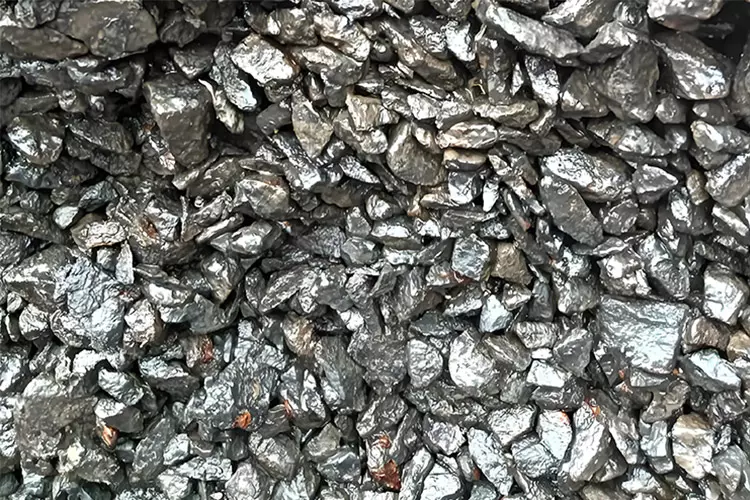
Magnetite is one of the most common and widely used iron ores. Because of its strong magnetism, it can be efficiently recovered through weak magnetic separation. This property makes magnetite a key raw material in the steel industry and plays a vital role in metallurgy, building materials, and other sectors.
The process of magnetic separation varies depending on particle size:
When the ore grain size is above 0.2-0.3mm, one-stage magnetic separation is usually sufficient to obtain high-grade concentrates.
When the grain size is below 0.2-0.3mm, two-stage magnetic separation is required to ensure both concentrate grade and recovery.
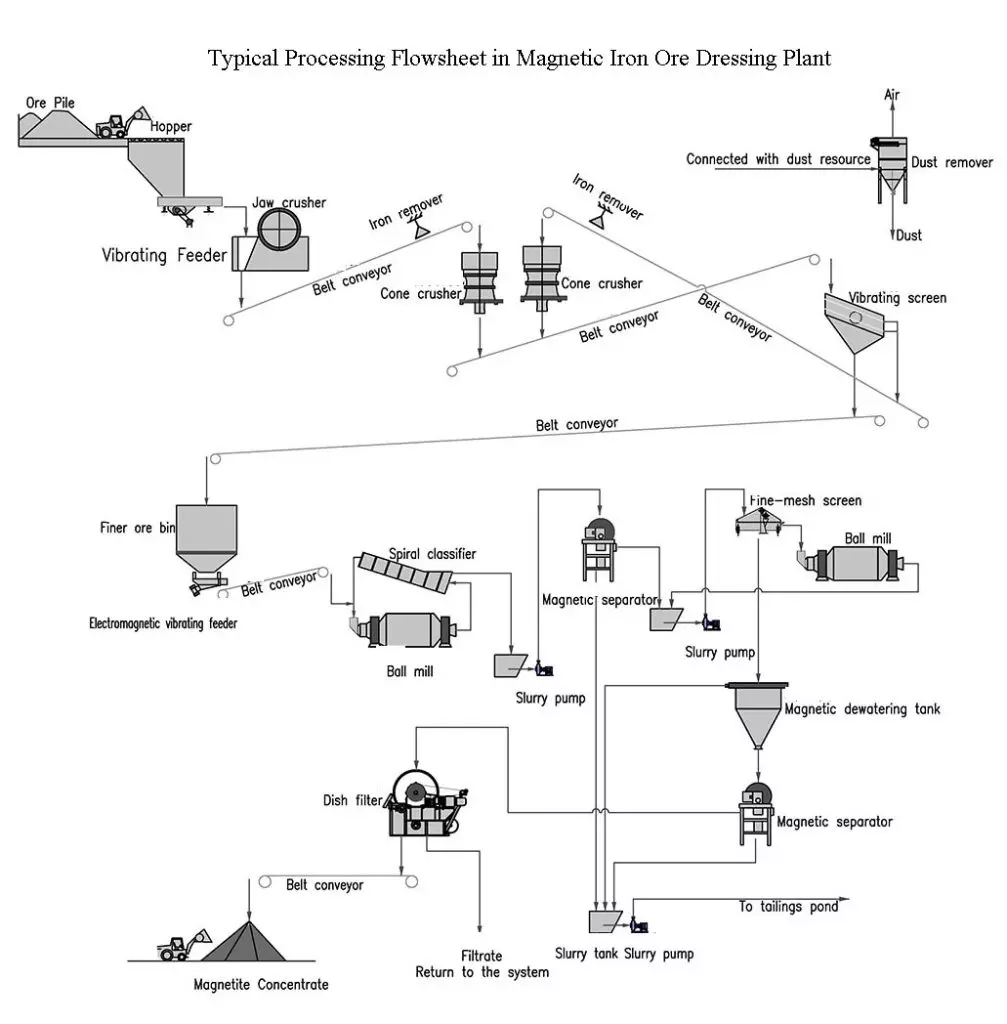
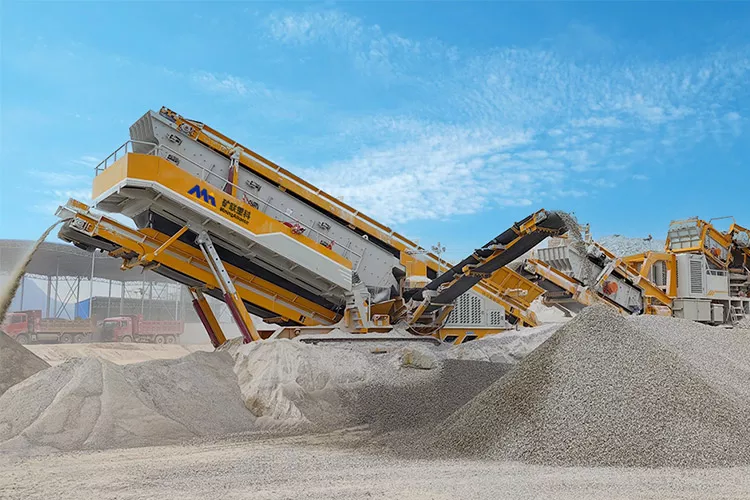
In certain cases, if coarse grinding is sufficient to separate tailings from qualified concentrates, the phased magnetic separation method can be adopted.
This approach reduces energy consumption, increases efficiency, and minimizes subsequent processing requirements.
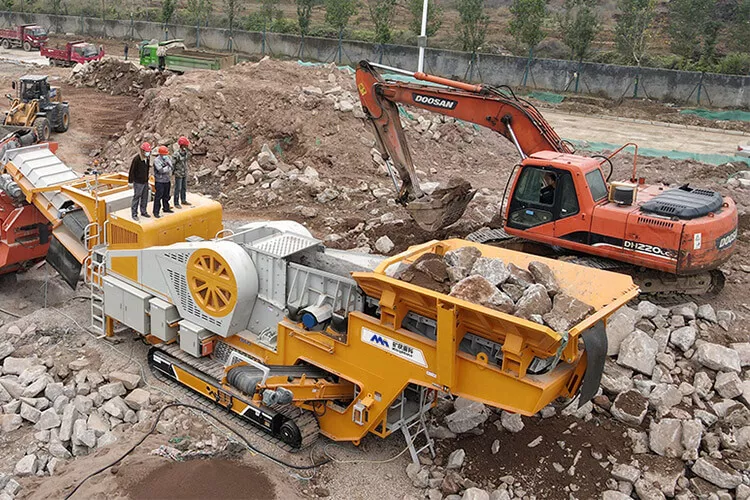
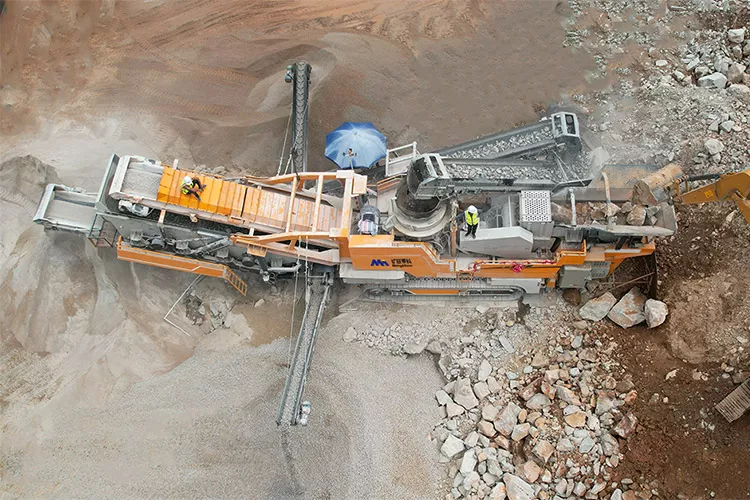
When magnetite contains significant amounts of wall rock or gangue minerals, a dry magnetic separator can be applied before grinding.
This pre-selection step removes waste rock in advance, reduces grinding energy consumption, and enhances the purity of the final concentrate.
Modern magnetic separation technology has achieved significant improvements in efficiency, environmental protection, and automation.