Gypsum is one of the most widely used minerals in construction and industrial applications. Its chemical composition, softness, and binding capabilities make it ideal for manufacturing plaster, wallboards, cement additives, and soil conditioners. However, before it can be used in any of these applications, natural gypsum must undergo a thorough crushing and processing cycle to transform it from raw mineral to usable product.
This article outlines the full process of gypsum crushing and processing, the types of equipment involved, the importance of choosing the right machinery, and the final applications of processed gypsum in various industries.
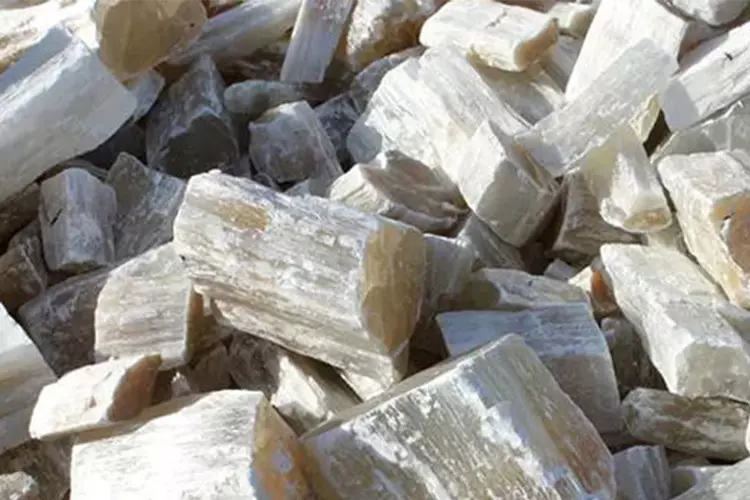
Gypsum is a naturally occurring mineral composed of calcium sulfate dihydrate (CaSO₄·2H₂O). It typically appears as white or grayish crystals or powder and has a Mohs hardness of about 1.5 to 2. It is very soft and can be easily scratched with a fingernail.
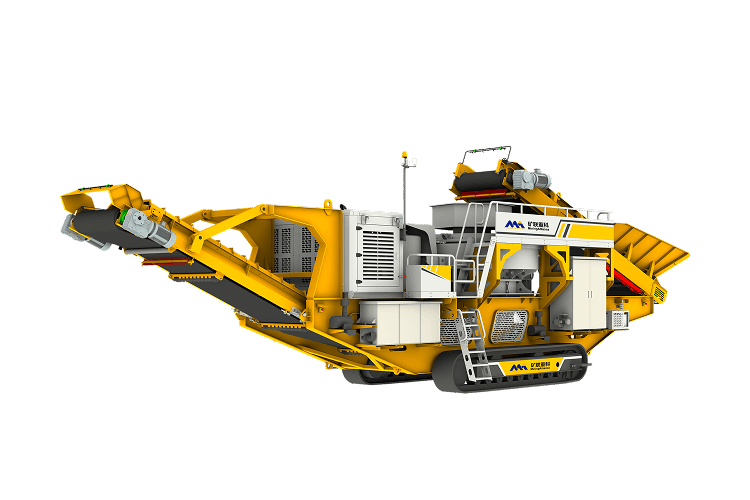
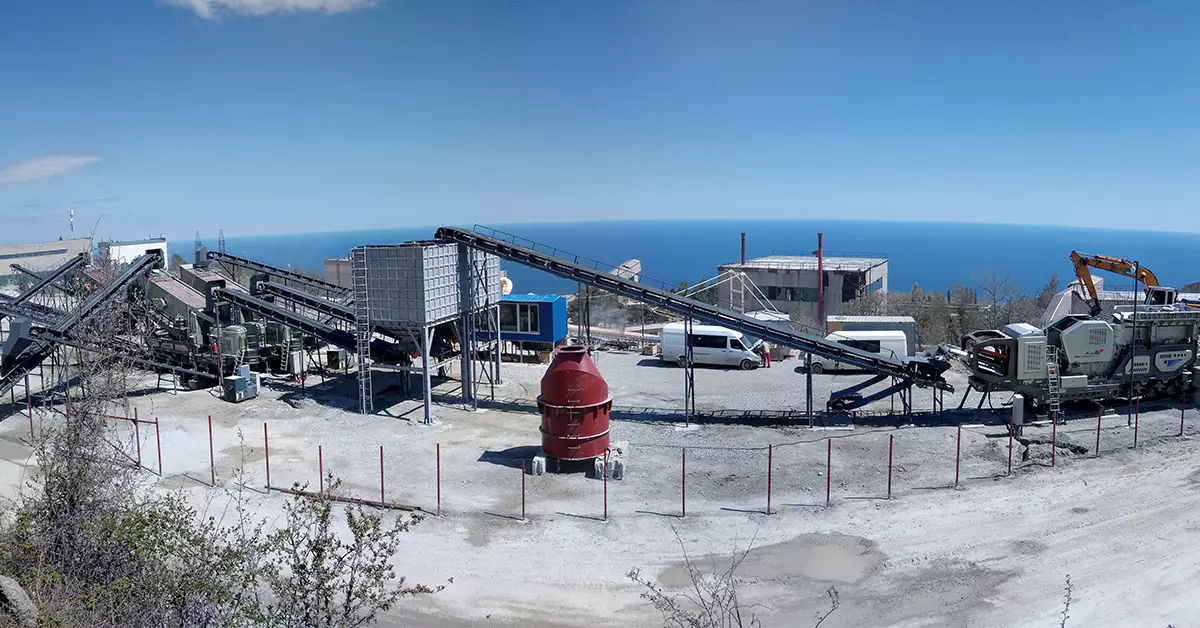
Key characteristics:The gypsum crushing and processing system transforms raw gypsum ore into finished powder or granules for use in industrial and construction products. The process typically involves: primary crushing, secondary crushing, screening, grinding (optional), calcination (for specific applications).
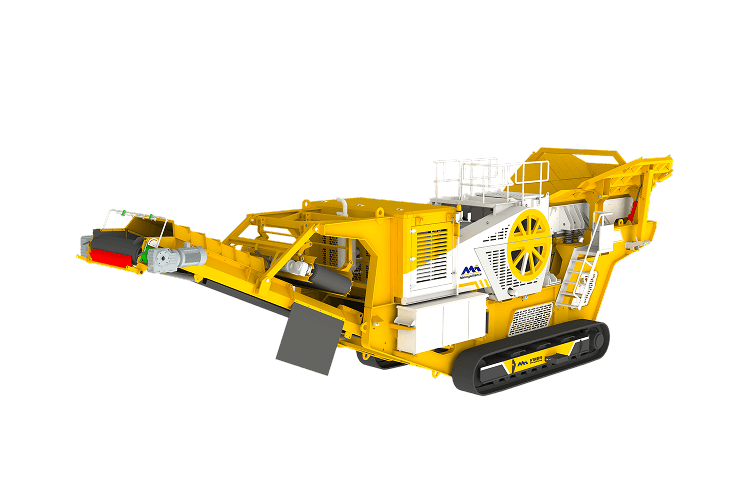
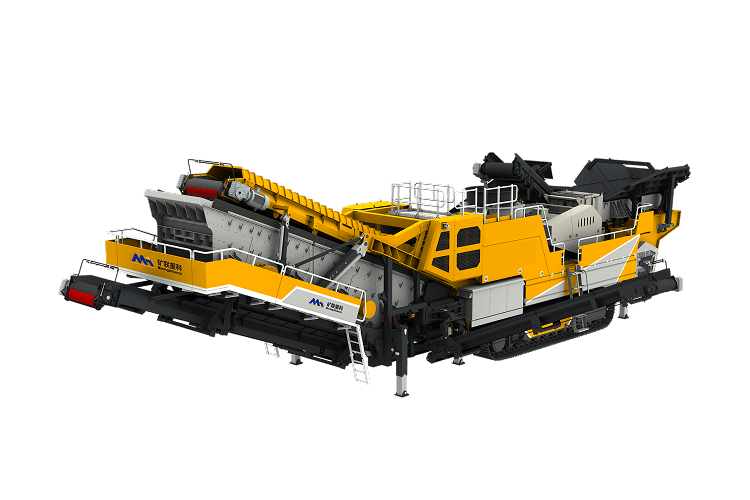
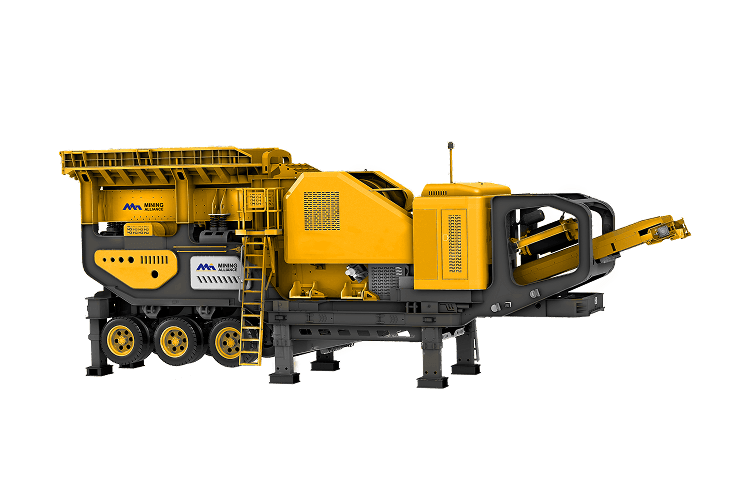
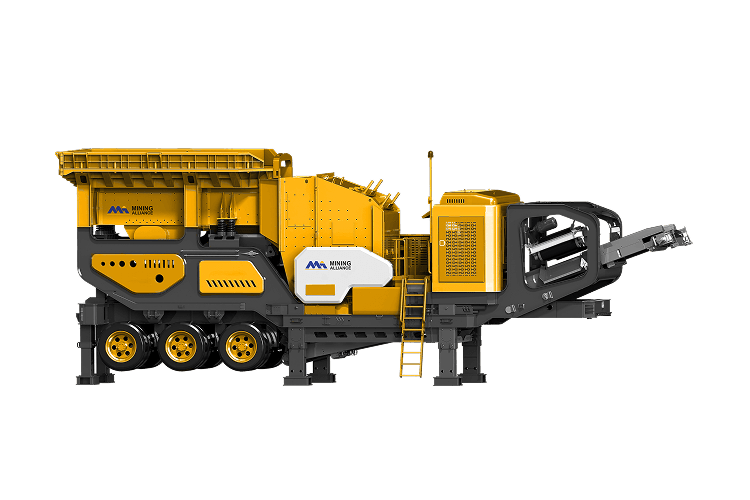
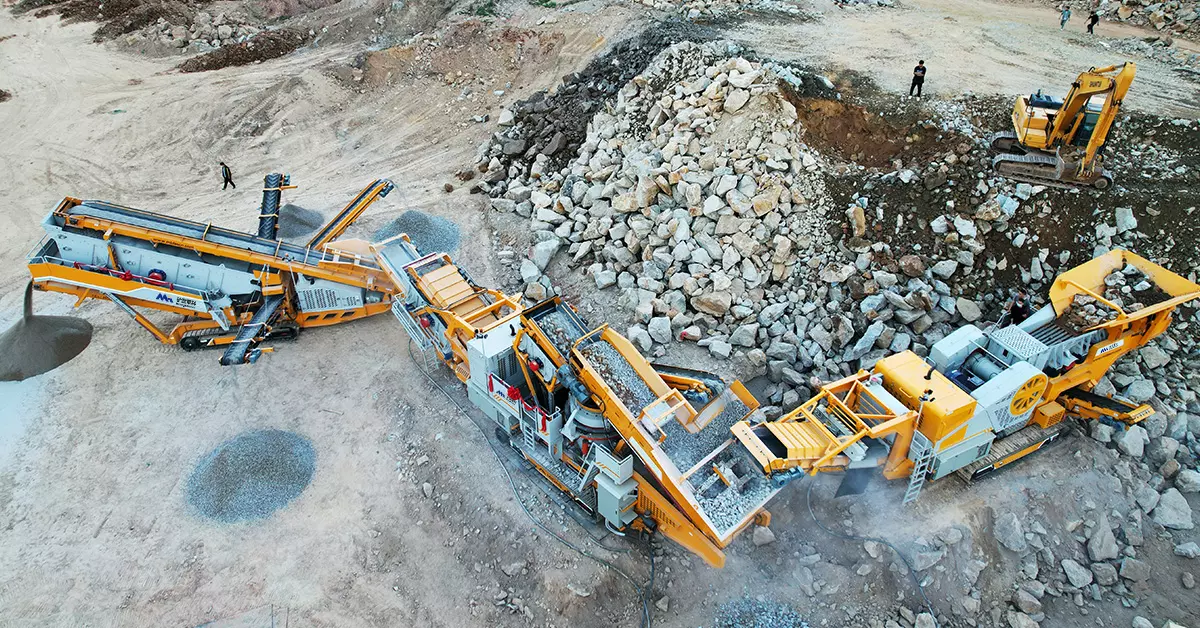
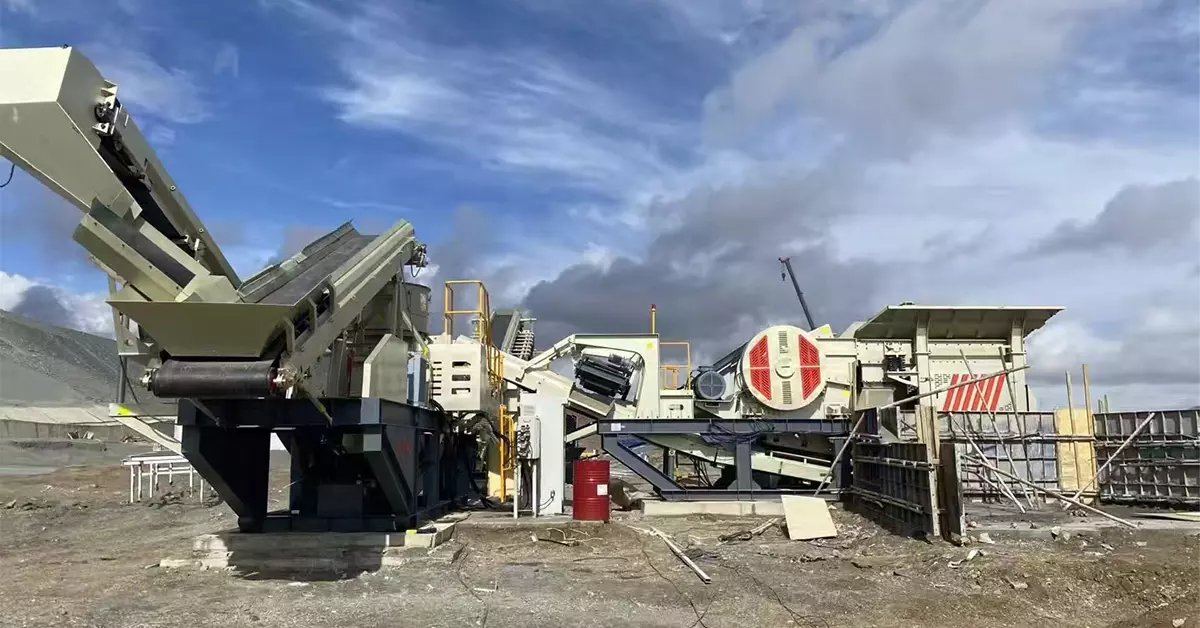
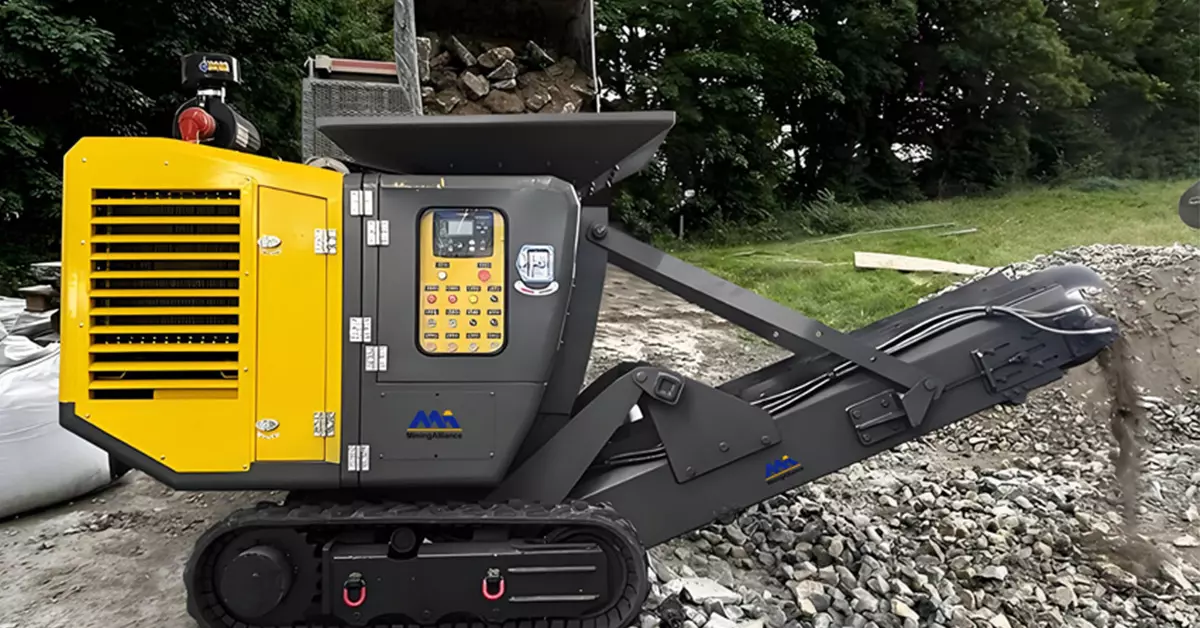
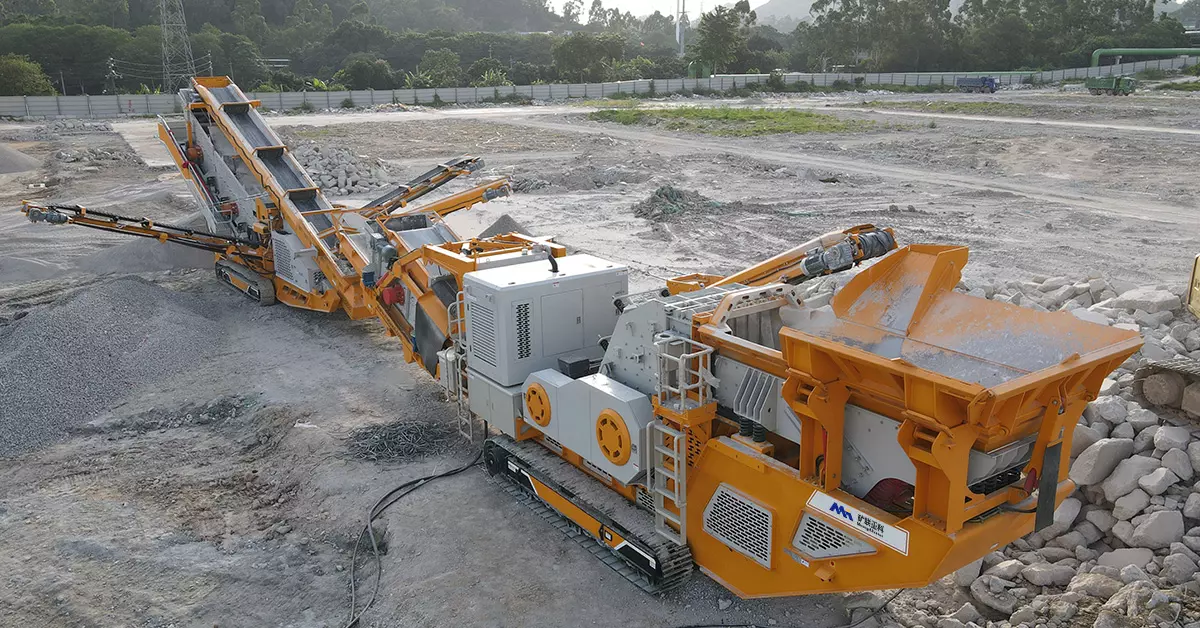
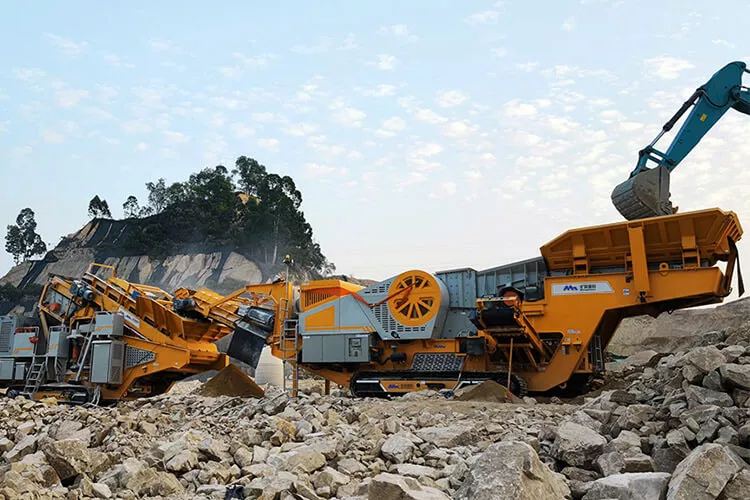
The first stage is primary crushing, where large gypsum rocks extracted from mines or quarries are fed into a jaw crusher or heavy-duty hammer crusher. These machines are capable of reducing the size of raw gypsum ore from 300–500 mm down to 50–100 mm.
Recommended Equipment: Jaw Crusher, Hammer Crusher.
Purpose: Break down large chunks of gypsum to manageable sizes for secondary processing.
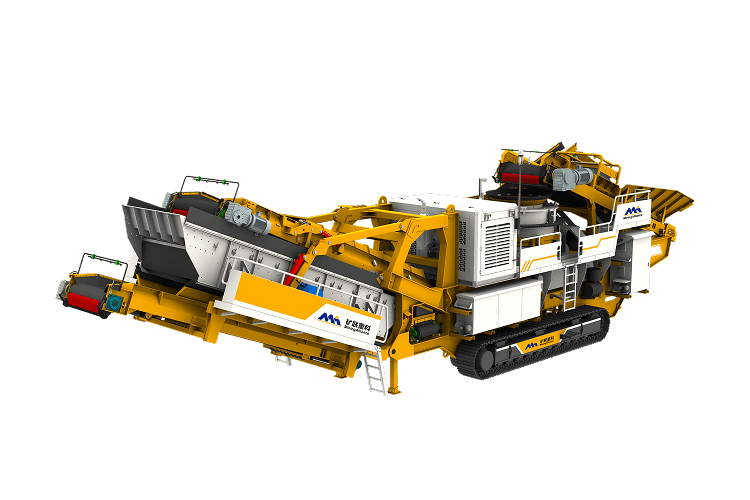
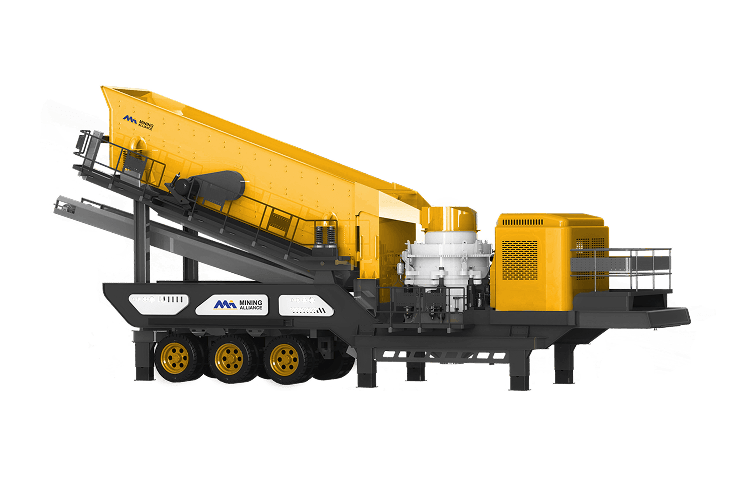
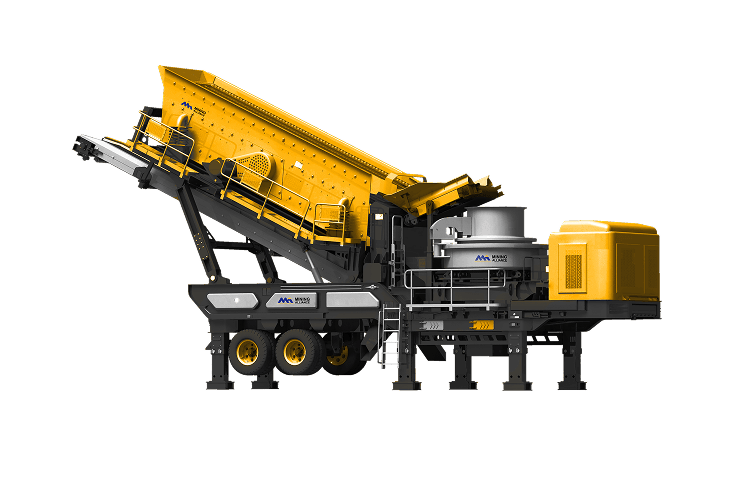
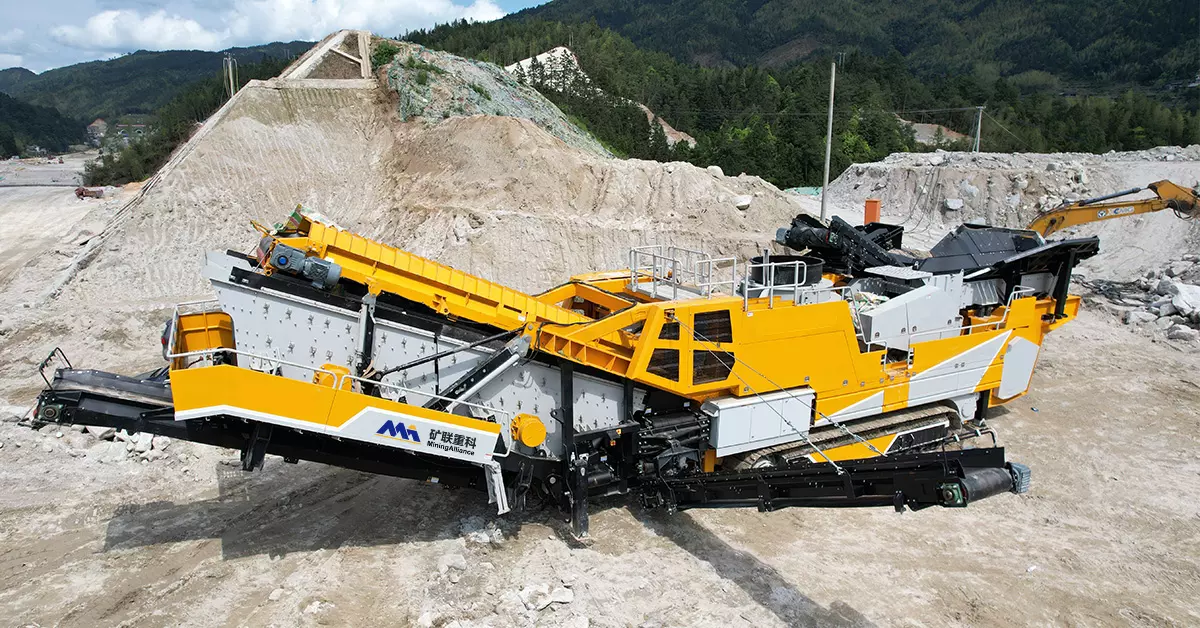
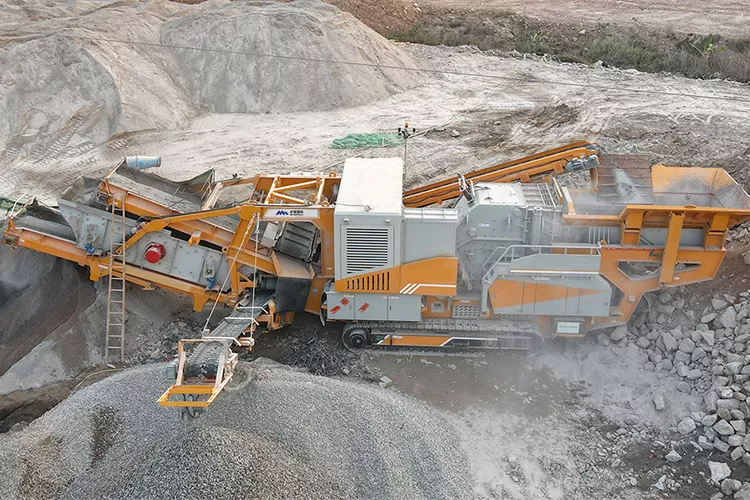
After primary crushing, the material is further processed through secondary crushing equipment like impact crushers or fine jaw crushers. This step reduces the material to below 20 mm, suitable for grinding or calcination.
Recommended Equipment: Impact Crusher, Cone Crusher.
Purpose: Achieve finer particle sizes for higher-quality gypsum products.
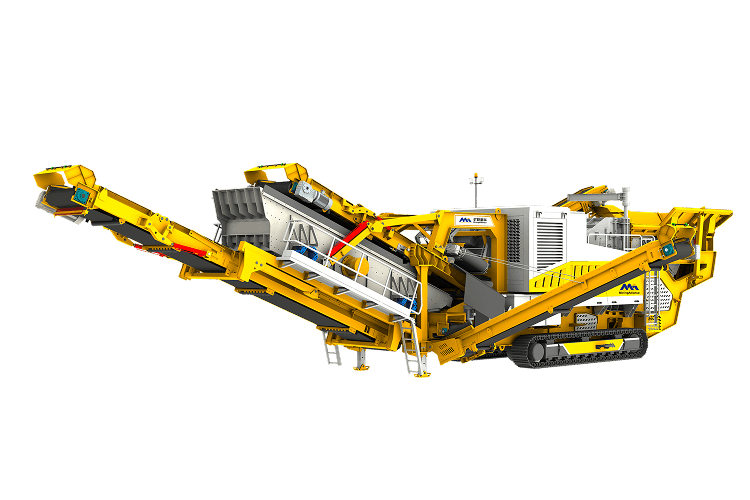
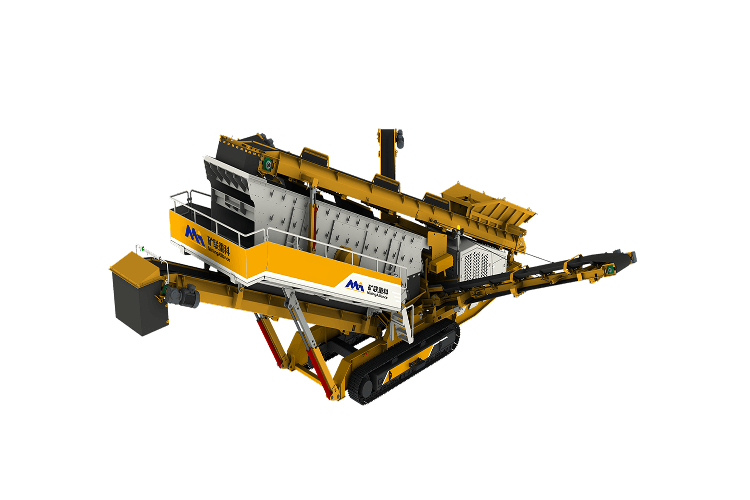
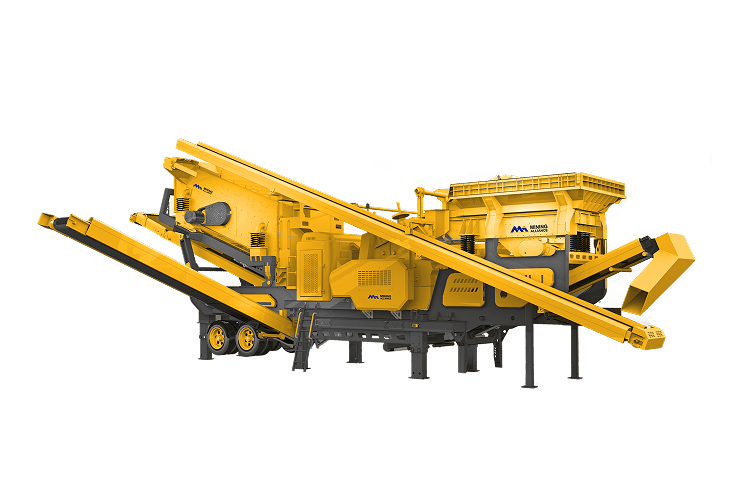
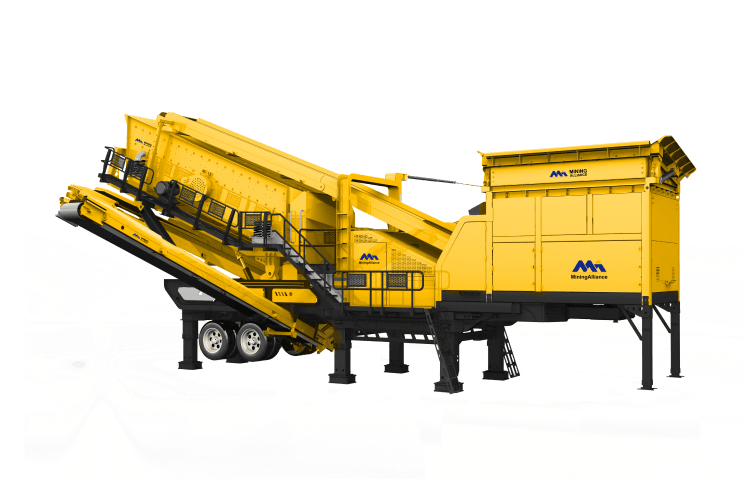
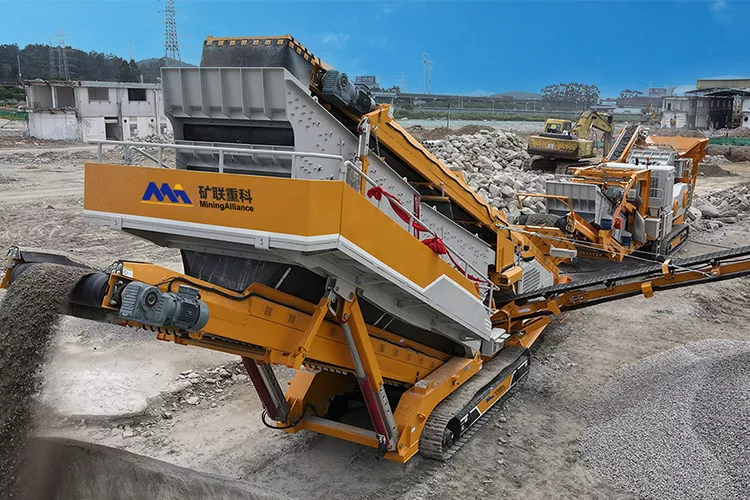
Once the material is crushed to the desired size, it is passed through vibrating screens to separate materials based on size. Oversized particles are returned to the crusher, while appropriately sized material is sent to storage or further processing.
Equipment Used: Vibrating Screens, Belt Conveyors.
Purpose: Ensure uniform size distribution, remove impurities or oversized rocks.
In applications where fine gypsum powder is required—such as for plaster, gypsum board, or chemical use—additional grinding is necessary. The material is fed into a gypsum grinding mill (Raymond mill, vertical mill, or ball mill) to achieve a powder size of 100–300 mesh.
Recommended Equipment: Raymond Mill, Vertical Mill, Ball Mill.
Purpose: Achieve precise particle size for industrial use and reactivity control.
For applications like plaster or gypsum board production, calcination is essential. This process involves heating the gypsum to around 150–170°C to remove the water of crystallization, converting gypsum to calcium sulfate hemihydrate (CaSO₄·½H₂O).
Equipment: Rotary Kilns, Fluidized Bed Furnaces.
Output: Plaster of Paris or stucco used in wall coatings and drywall.
Choosing the right gypsum crushing and processing equipment is critical for efficiency, durability, and end-product quality. Factors to consider include:
High-quality crushing systems are equipped with dust suppression systems and wear-resistant liners to ensure long service life and environmental compliance.
Once processed, gypsum is used across multiple industries:
Construction:
Industrial Use:
Energy & Environment:
In conclusion, gypsum is a versatile and essential material across industries, and efficient crushing and processing is the first step in unlocking its full potential.
With the right combination of crushing, screening, grinding, and calcination, high-quality gypsum products can be produced for ever