Mobile Crushing Plant Analysis: Types, Choices & Price
- Updated 2026-07-10
- Views
- Source:
Introduction
In this article, I will introduce you with details of mobile crushing plant, including types, how to choose, and price.
What Is a Mobile Crushing Plant?
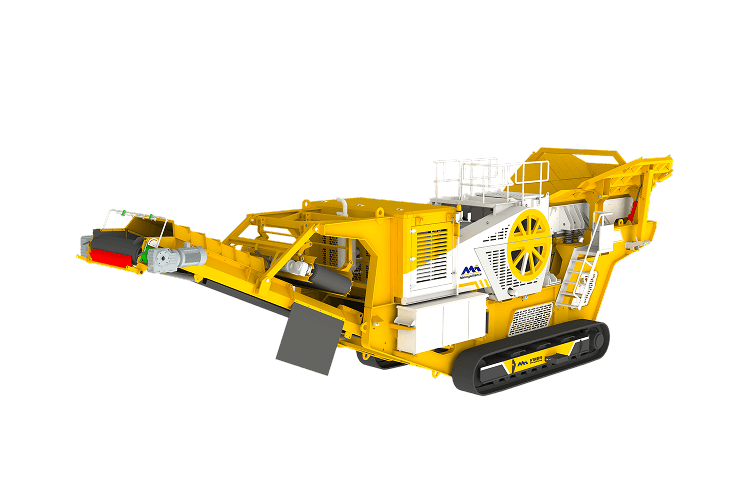
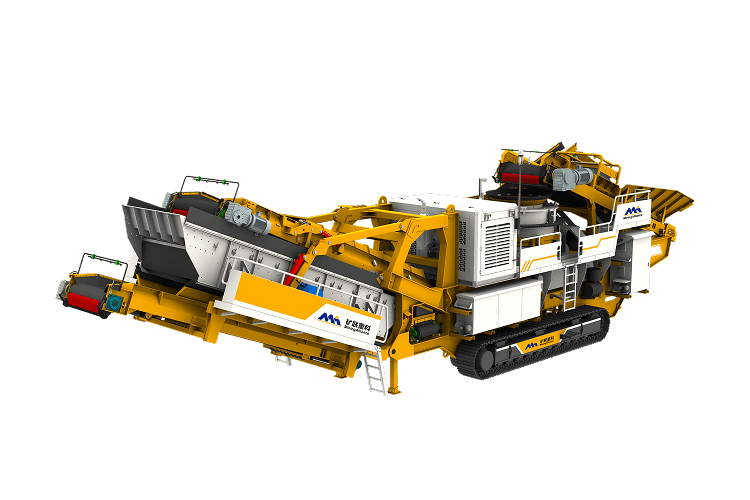
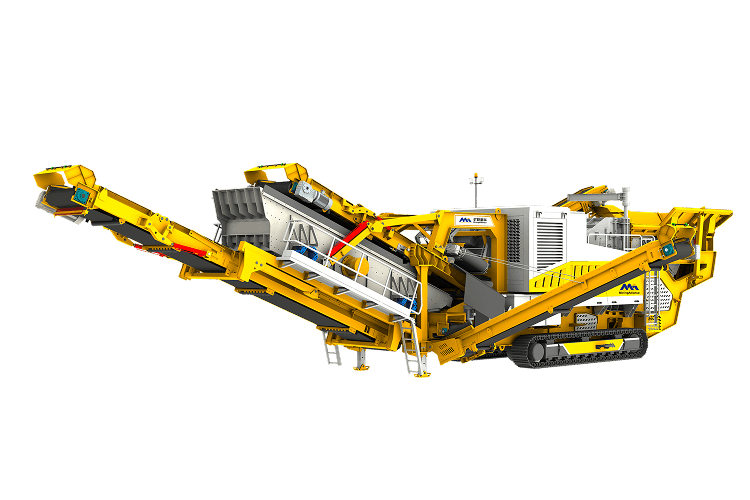
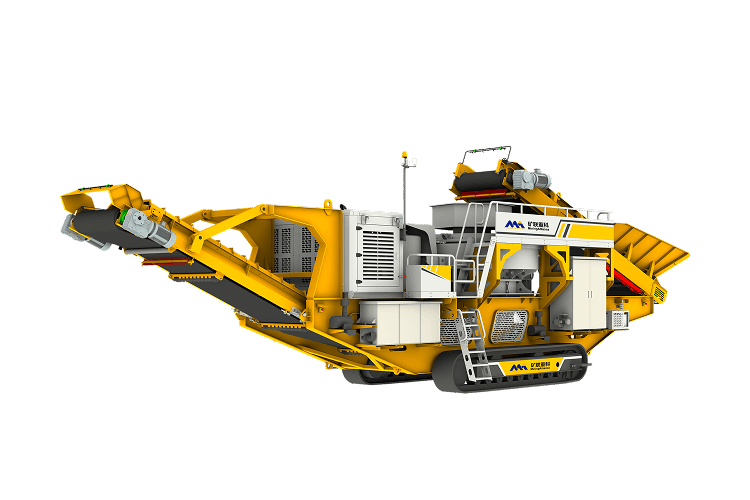
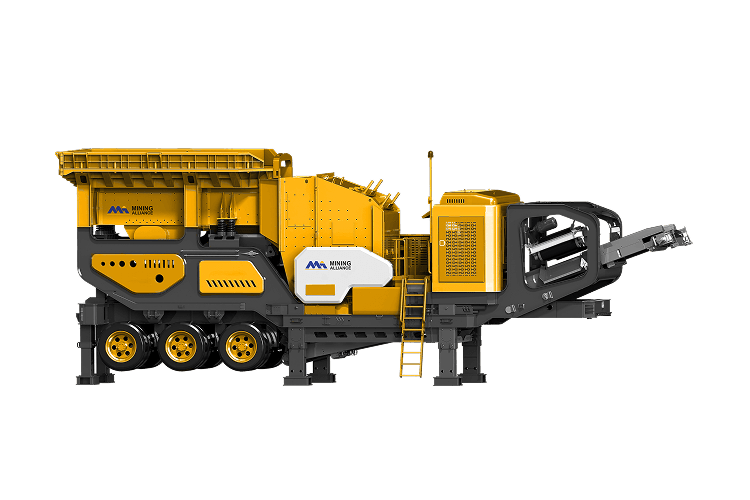
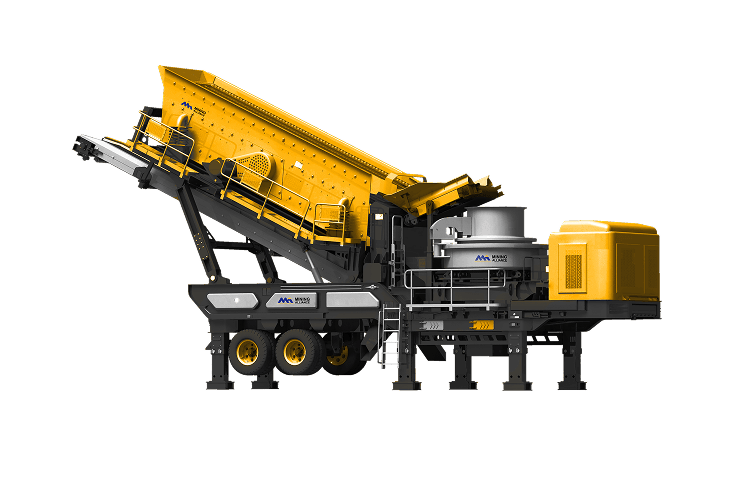
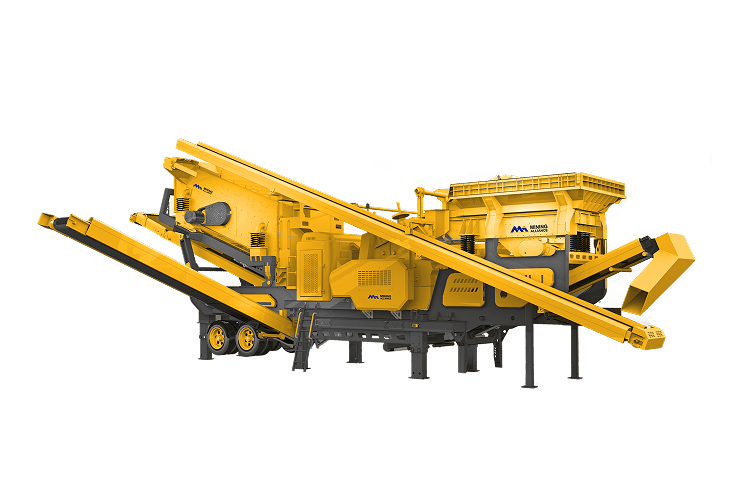
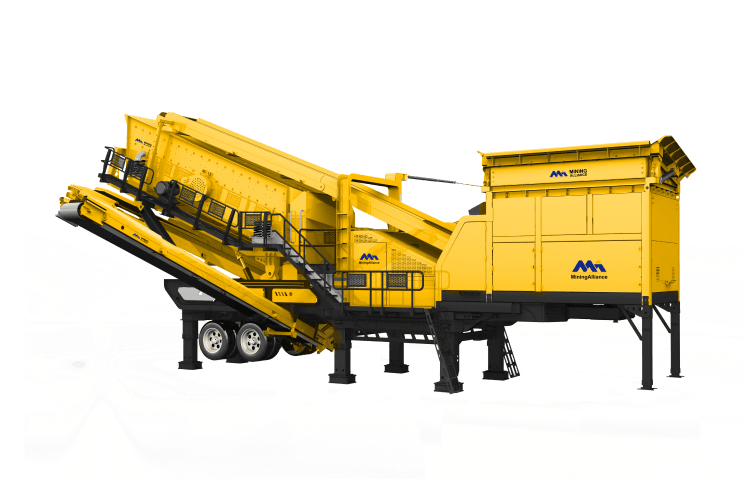
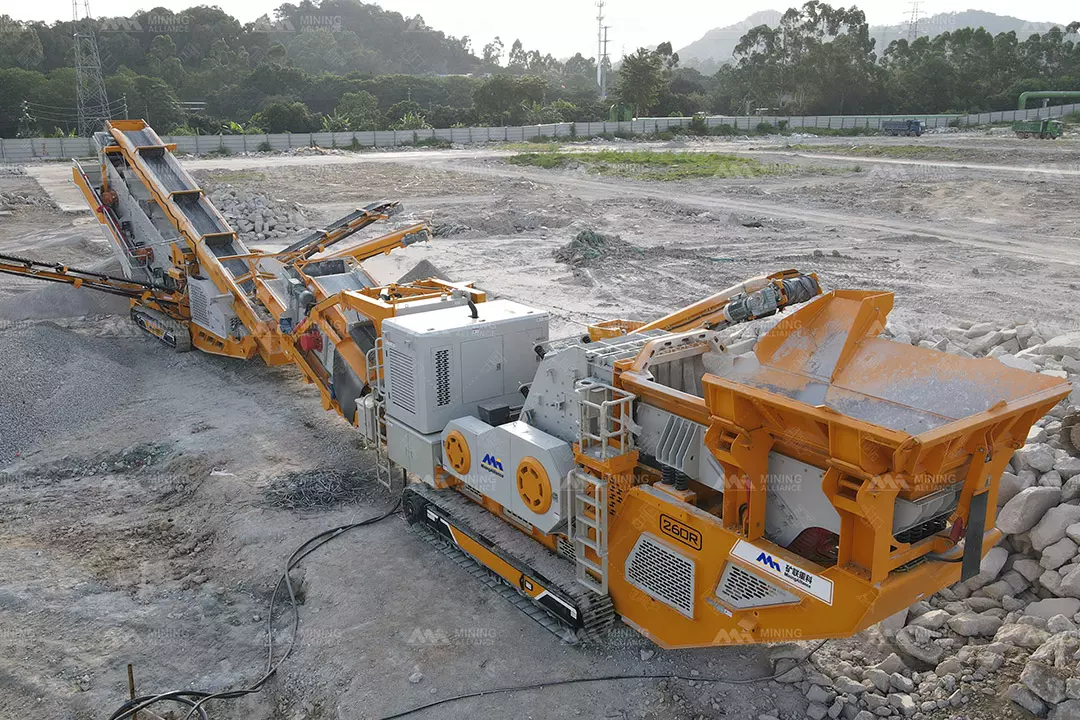
The mobile crushing plant also called "portable crusher plant"; it movable crushing and processing equipment that integrates feeding, crushing, screening, and conveying into a single unit. It crushes various types of stones, rocks, construction waste, and ore mine into aggregates of different sizes, which are used as raw materials for concrete, cement, and mineral powder, and thus applied in industries such as roads, railways, and city construction.
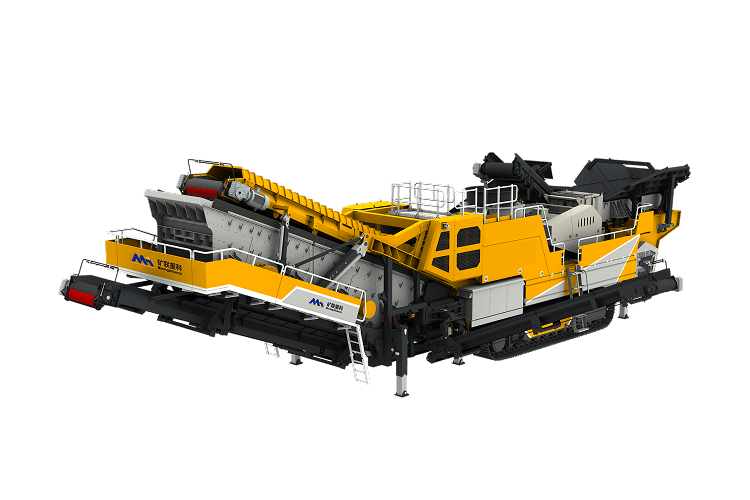
In terms of mobility, mobile crushing plants are self-propelled equipment. Typical mobility configurations include tracked, wheeled, and semi-mobile (modular). In terms of operating scenarios, they are typically located at the quarry face and can move flexibly as the mining face advances. MiningAlliance Machinery's TK series mobile tracked crushing plants are a prime example of this equipment.
Compared to stationary crushing plants, the greatest advantage of mobile crushing plants require no construction of buildings or concrete foundations; production can begin as soon as equipment arrives on site. The equipment starts producing as soon as it arrives, and once you've finished working a site, you can tow the entire unit to the next location that needs crushing.
3 Types of Mobile Crushing Plants
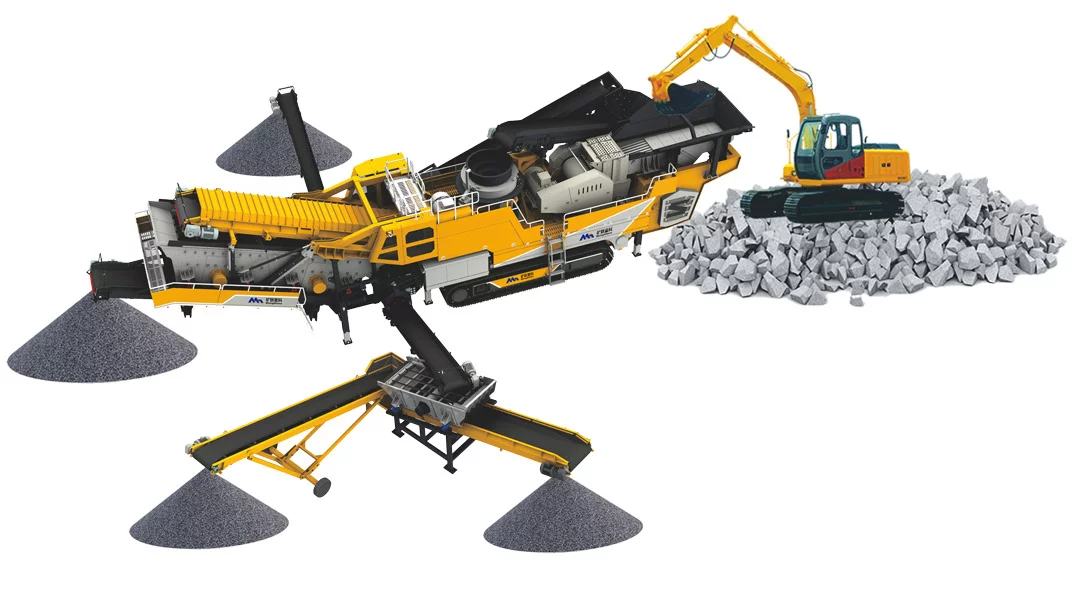
Mobile crushing plants have three main categories based on how they move: tracked, wheeled, and semi-mobile (modular).
Tracked Crushing Plant
Equipment components
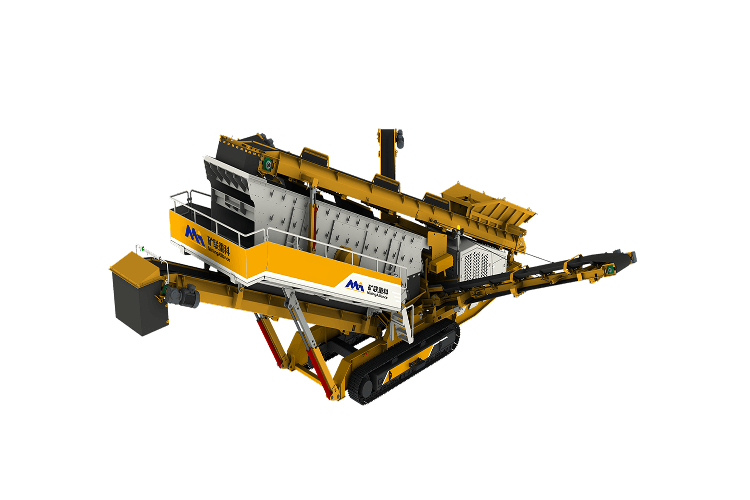
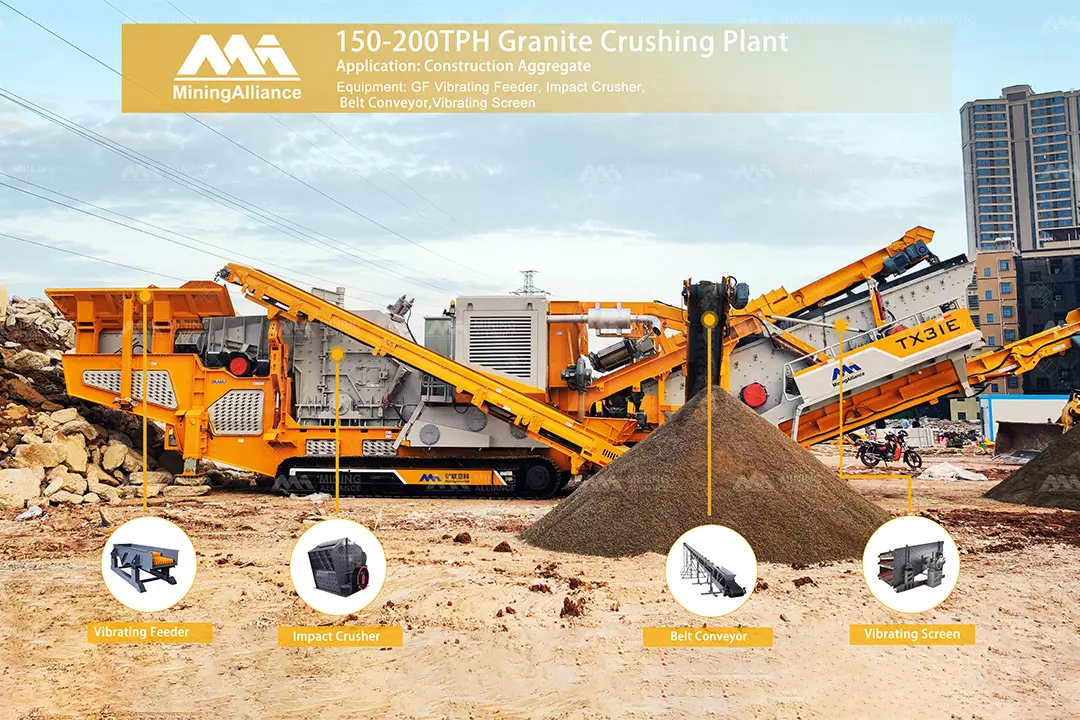
The crawler mobile crusher plant integrates feeding, crushing, and conveying equipment onto a track chassis, combining a jaw crusher, cone crusher, or impact crusher as main unit.
It runs on full hydraulic drive, pairs with a turbocharged diesel engine and intelligent control system, and can climb slopes and clear obstacles remotely.
The machine also includes a hybrid fuel-electric power system, automatic lubrication system, and dust collection and noise suppression equipment.
MAM offers four series: TKJ series tracked jaw crusher, TKI series tracked impact crusher, TKC series tracked cone crusher, and TKS series tracked screening plant, which lets you relocate quickly between sites. Contact us now for factory prices!
Advantages
- Extremely adaptable to varied terrain: It can drive and power itself across mountainous, muddy, or soft ground where other equipment would get stuck.
- Needs no foundation: Starts working moment it arrives, saving significant construction time and cost
- Highly maneuverable: Capable of operating flexibly in tight spaces
- Reduces overall costs: Replaces dump trucks, lowering transportation costs by 50%–70% while also reducing spare parts and labor costs
- Safe and environmentally friendly: A three-in-one system that integrates with continuous belt conveyors, reducing road maintenance at work site
Disadvantages
- Complex and expensive equipment requiring a large upfront investment
- Not suitable for long-distance road transport; requires a trailer for relocation
- Relatively limited processing capacity; struggles to handle very large-sized feed material
Applications
Crawler mobile crushers suit mining operations, on-site demolition waste processing, tunnel construction, and operations requiring frequent relocation and complex site conditions.
They work especially well in large open-pit mines running large-scale, continuous operations, and can process construction waste, riverstone, granite, and many other materials.
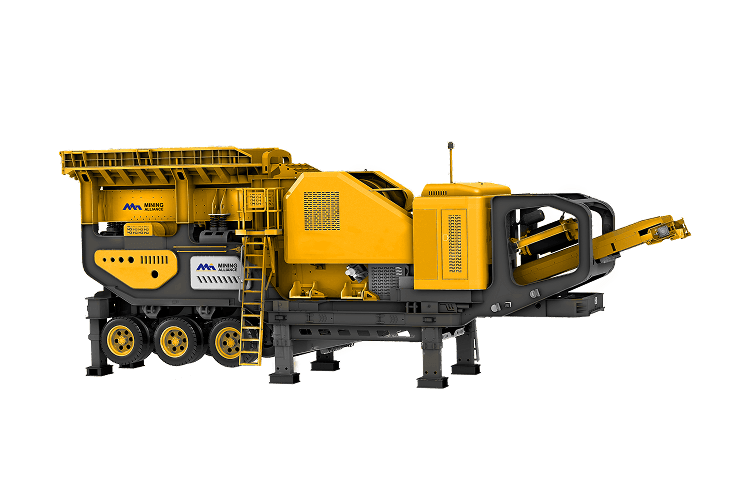
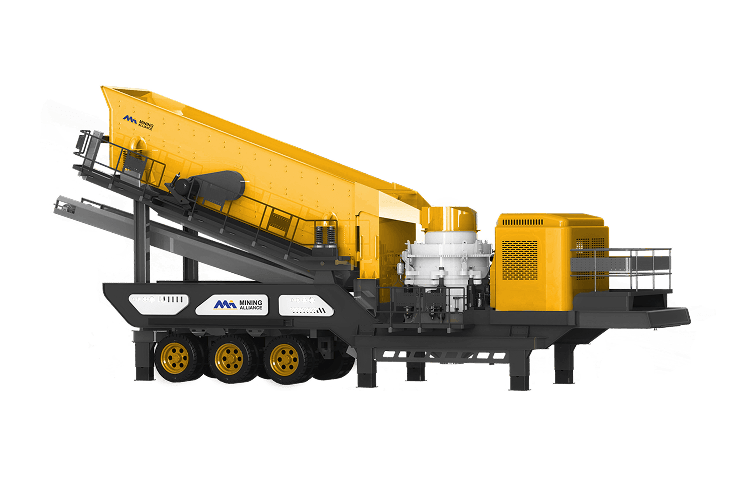
Wheeled Crushing Plant
Equipment components
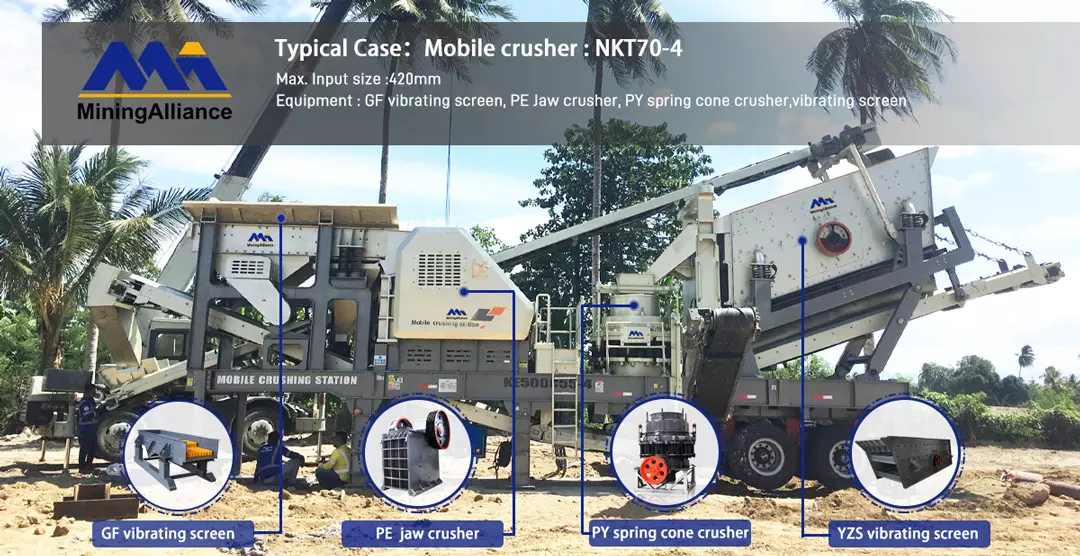
The wheeled mobile crusher plant uses a tire-mounted chassis and combines a vibrating feeder, jaw crusher, and cone crusher into a multi-stage system. It handles coarse, medium, fine, and ultra-fine crushing along with screening — all in one.
It follows a modular vehicle design, so you can exchange main crusher without changing the chassis, and you can run it alone or combine several units together.
MiningAlliance Machinery NK series wheeled crusher plant uses a screenless dual-rotor structure to suit materials with varying moisture content and equipped with a dry magnetic separator for iron removal.
Advantages
- Convenient transportation: The high-clearance chassis allows operation on ordinary roads, resulting in lower transportation costs
- Turns tightly: The short wheelbase makes it easy to navigate rough, uneven roads within a crushing site
- Sets up fast: No need for cumbersome steel frame structures or foundation construction, saving significant time.
- Configures flexibly: Flexibly configurable combinations such as jaw crusher + impact crusher + screening station are available.
Disadvantages
- Requires towing for relocation: Must be towed by a semi-trailer tractor; it is not self-propelled.
- Limited on complex surfaces: Cannot operate on complex surfaces such as gravel.
- Relatively weak mobility: Compared to tracked crusher plants, it lacks sufficient maneuverability on rough terrain.
Applications
Wheeled mobile crushing plants are suitable for mid-to-large projects, with relatively flat sites that move frequently between locations.
They are widely used for crushing sand and gravel materials in industries such as construction waste processing, earthwork projects, urban infrastructure, and road construction. They can process materials such as concrete and waste bricks with a feed size up to 930mm.
Semi-Mobile Crushing Plant
Equipment components
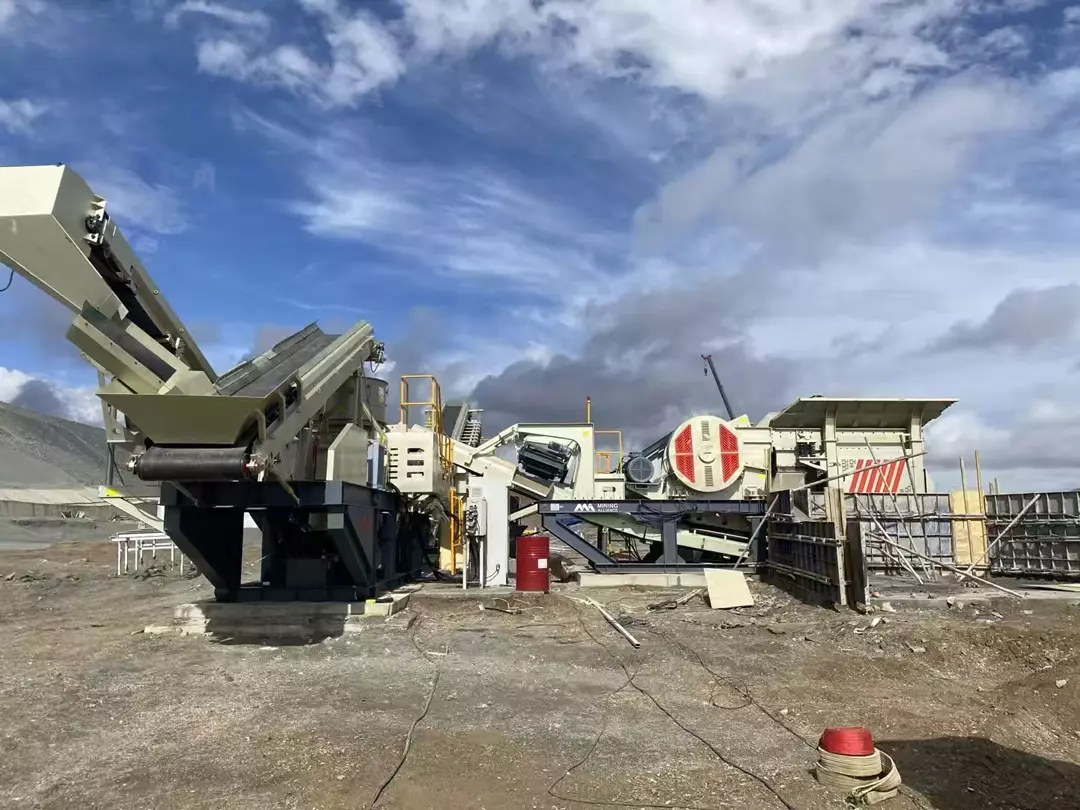
Semi-mobile crushing plants, also known as modular crushers or skid-mounted crushers, generally consist of three main components: feeding equipment (hopper, feed conveyor, or vibrating feeder), crushing equipment (jaw, cone, impact, or hammer crushers, etc.), and discharge equipment (mostly belt conveyors).
The entire unit features a modular design, including main crushing equipment, steel structural frames, hoppers, buffer bins, and other custom components, as well as standardized parts such as steel grating platforms, ramps, and handrails.
Advantages
- Combines mobility with stability: It offers mobility while having stationary installations and time-consuming relocation.
- No large foundation required: There is no need to construct a large concrete foundation, minimizing civil engineering work.
- Flexible relocation: The equipment is compact and lightweight, making it easy to disassemble, assemble, and hoist; a single relocation operation takes little time.
- Builds fast: MiningAlliance Machinery can build and pre-assemble it at factory; bolts connect components, requiring virtually no welding.
- Reasonable investment: A higher proportion of the investment goes toward equipment and steel structures; steel structures retain a high residual value after a certain number of years.
Disadvantages
Relocating whole unit or its components requires specialized transport equipment (crawler transport vehicles or towing equipment)
It shouldn't be relocated too frequently, even though it's capable of moving between sites
It requires higher upfront equipment and infrastructure investment, along with a relatively long installation and commissioning period
Applications
Semi-mobile crushing plants are typically used at open-pit mining sites where the transport distance for ore and rock is less than 3 km. Their service life ranges from a few months to several years, and a single relocation usually takes no more than 48 hours.
They are suitable for open-pit mines requiring periodic relocation but not at high frequency, as well as for projects with high requirements for equipment stability and long operational cycles.
Factors to Consider When Buying Mobile Crusher Plant
Raw Material Types
Different equipment handles different materials, so before you configure a mobile crusher plant, you need to understand the hardness, moisture content, and size of the material you'll be processing.
- Soft rock (such as limestone) is suitable for impact crushing;
- Hard rock (such as granite) needs a jaw or cone crusher;
- Construction waste processing requires iron removal and screening systems
- Metal ore mining needs a main primary crusher chosen to match the ore's grade and hardness
MiningAlliance Machinery can match the suitable primary crusher type and model based on your material characteristics. Contact us for free customized solutions.
Processing Capacity
A mobile crusher's processing capacity depends on the material type, feed size, density, and required output size. When selecting a model, base calculations on both average daily and hourly processing volumes.
Note: the difference between manufacturer's stated "ideal operating conditions" capacity and actual output by more than 30%. Key verification figures include feed size (mm), processing capacity (t/h), discharge opening adjustment range (mm), and crushing ratio.
Equipment Dimensions
Choose equipment sized appropriately for your site's space constraints. Tracked plants have a compact design well-suited to tight spaces, while wheeled plants have a short wheelbase and a small turning radius.
A common buying mistake is chasing maximum processing capacity while ignoring site transport limitations.
Power Source
- Pure diesel drive: Suitable for off-grid field operations; offers high mobility
- Electric-powered: Lower operating costs; suitable for sites with a stable power supply
- Hybrid system: Combines the advantages of both; and more equipment now offers dual-power systems
Output Size
Output size directly affects the gradation and quality of your finished aggregates. Choose a crushing and screening system that match your project's required final particle size. Mismatched screening can result in unstable finished product gradation.
Safety and Environment
Mobile crushing plants should include dust collection and noise suppression systems to meet energy-saving and emission-reduction requirements.
As environmental regulations become increasingly stringent, the environmental performance of equipment has become an increasingly important buying factor.
Reliable Suppliers
Buyers should consider equipment stability, product quality, energy consumption, and manufacturer's ability to support the full production cycle. Look for a supplier who can build customized solutions around your specific needs, rather than simply pushing standard models.
With more than 30 years of mobile crushing industry experience, Zhengzhou MiningAlliance Machinery Co.,Ltd. has deep expertise in mobile crusher screening plant design, equipment installation and commissioning, and business planning. We provide customers with professional end-to-end services, from equipment selection to production.
How Much Does a Mobile Crushing Plant Cost?
The price of a mobile crushing plant depends on various factors, such as mobility type, processing capacity, configuration model, main crusher type, and brand, resulting in a wide range. Below are prices for three main types with different processing capacities:
| Mobility Type | Tracked Crusher Plant | Wheeled Crusher Plant | Modular Crusher Plant |
|---|---|---|---|
| Small (10–50tph) | $120,000 – $250,000 | $100,000 – $200,000 | $70,000 – $150,000 |
| Medium (50–200tph) | $250,000 – $800,000 | $200,000 – $650,000 | $150,000 – $450,000 |
| Large (200–500tph) | $800,000 – $2000,000+ | $650,000 – $1350,000 | $500,000 – $1150,000 |
Note: These figures reflect typical market price ranges; actual prices may vary significantly due to exchange rate fluctuations, steel and component costs, import duties, and optional machines (e.g., adding magnetic separation, screening equipment, or hybrid systems). To get a fixed quote, please provide detailed information about your specific materials, production requirements, and on-site conditions.
Conclusion
Choosing mobile crushing plant isn't just a technical decision, it affects your project's timeline, budget, and profit for years to come.
With over 30 years of experience matching equipment to real site conditions, MiningAlliance Machinery has helped our customers in mining, demolition, and infrastructure find exact configuration that fits their material, terrain, and production targets.
Ready to find the right mobile crushing plant for your project? Contact our professional engineering team today for a free consultation and a custom equipment recommendation for your project.
Frequently Asked Questions
Do I need special permits to operate a mobile crushing plant?
Yes, you do. You'll typically need a demolition permit or separate mining permit depending on the material you're crushing. Requirements vary by country.
How many operators does a mobile crushing plant need?
Most modern plants run with just one or two operators, due to intelligent control systems that automate feeding, crushing, and discharge adjustments.
What routine maintenance of mobile crusher plant?
Routine maintenance mainly involves checking wear parts (jaw plates, cone liners, screen mesh), lubrication systems, and hydraulic lines.
How long does a mobile crushing plant typically last?
With proper maintenance, most mobile crushing plants run productively for 8 to 15 years, though the steel structure and chassis can often outlast the crushing components themselves.
How does mobile crusher plant compare to stationary of ROI?
A mobile crusher plant costs more upfront than a fixed crusher plant with same specifications, but it saves foundation, structure, and long-distance material transport costs that come with a fixed plant.
References: