Mobile vs Stationary Crushing Plants: What's the Difference?
- Updated 2026-07-03
- Views
- Source:
Introduction
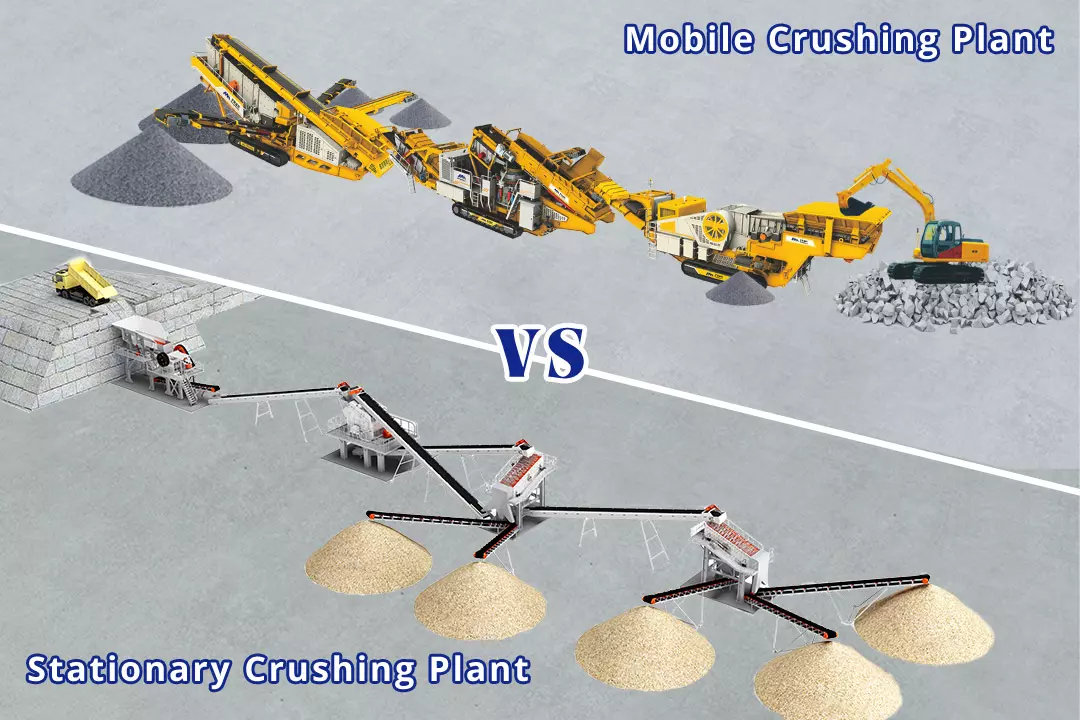
Mobile crushing plants and stationary crushing plants each have their own advantages and are suitable for different working conditions. Below is a detailed comparison to help you choose the best crusher for your needs.
Tracked Mobile Crushing Plant Pros and Cons
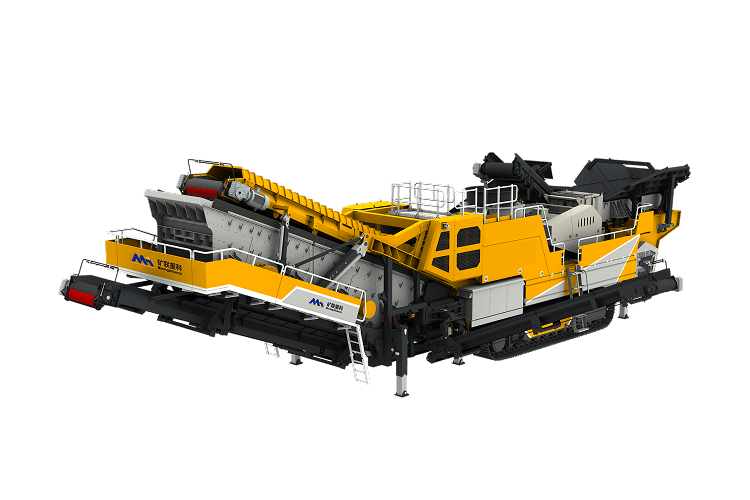
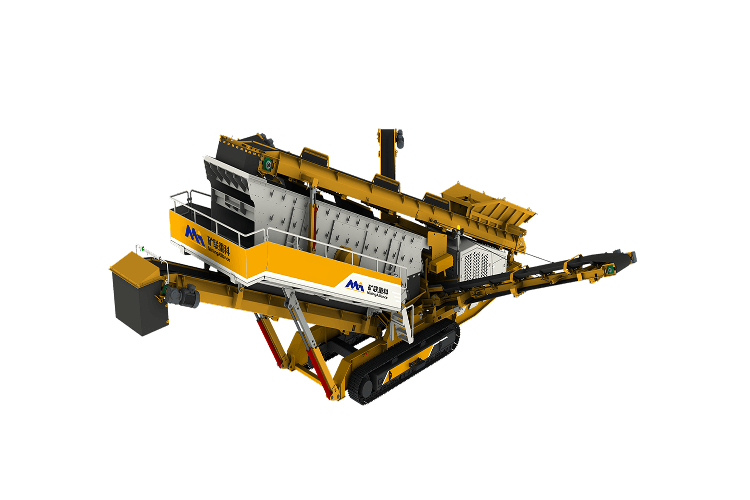
Tracked Mobile Crusher Advantages
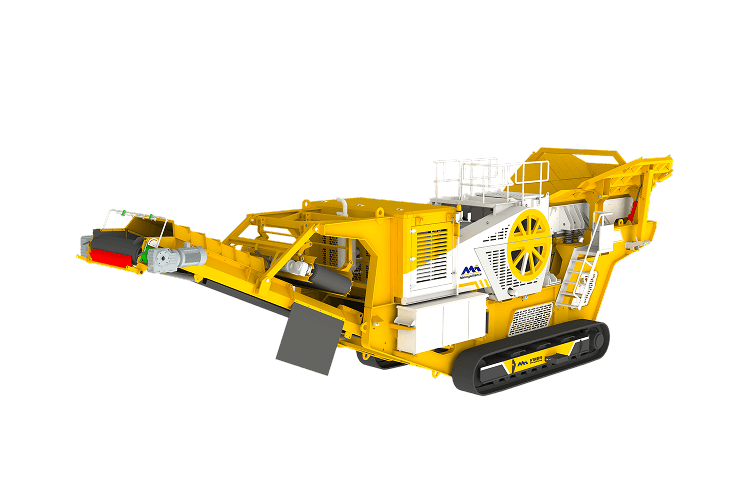
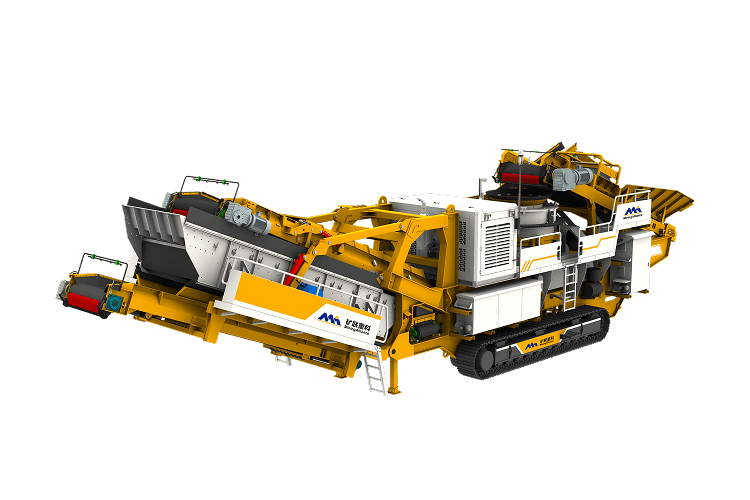
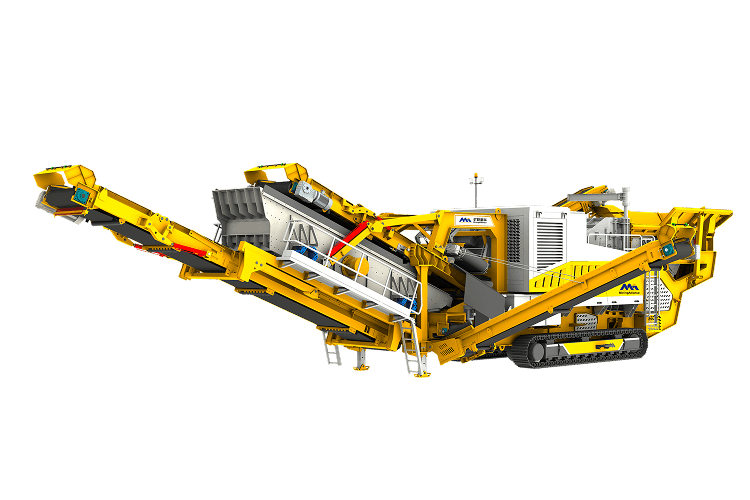
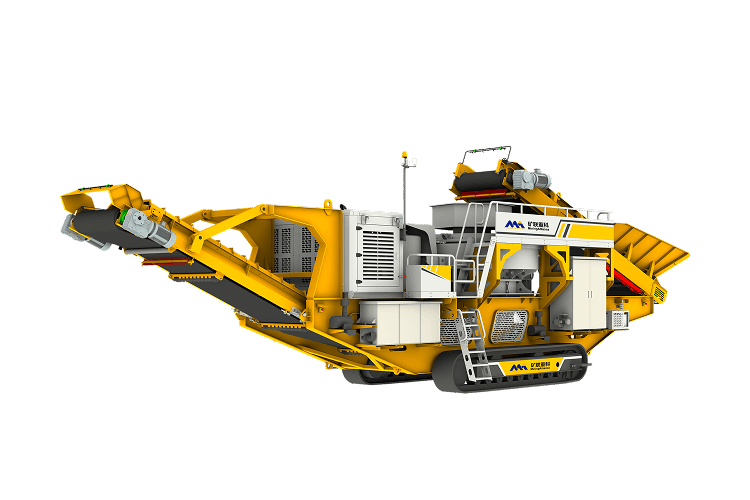
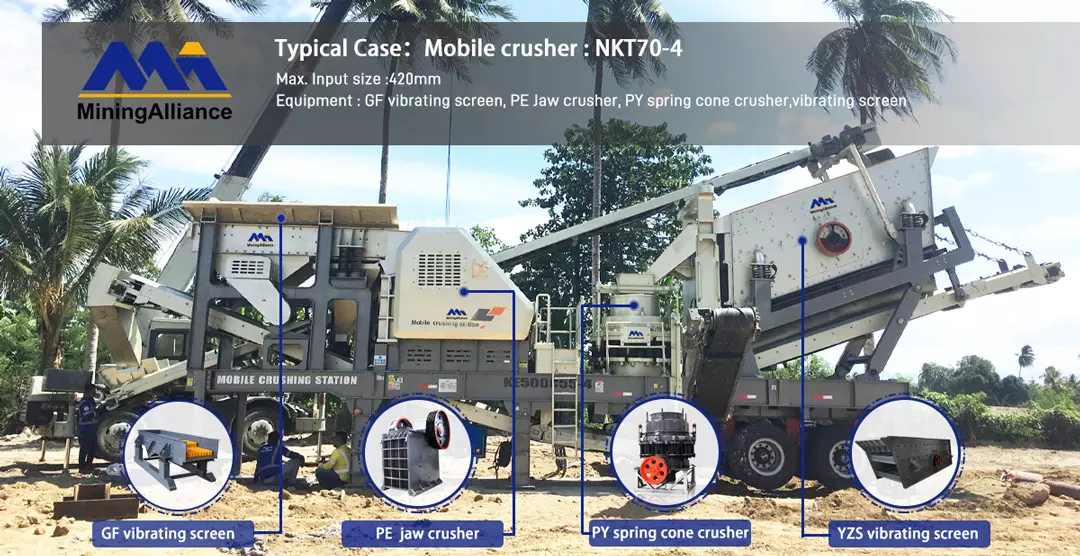
- Fully mobile, ideal for mining, rough terrains, and wetlands.
- No infrastructure needed, can start working immediately on any site.
- Highly maneuverable, adapts well to changing work conditions.
- Works efficiently with excavators and loaders, improving operational efficiency.
Tracked Mobile Crusher Disadvantages
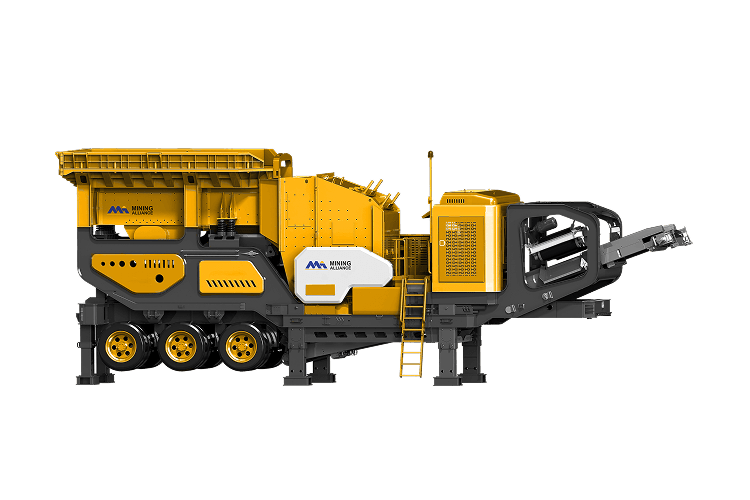
- Most expensive option, due to the advanced hydraulic and track systems.
- High fuel consumption, mainly diesel-powered, leading to higher costs.
- Complex maintenance, tracks wear down quickly and require frequent servicing.
Wheeled Mobile Crushing Plant Pros and Cons
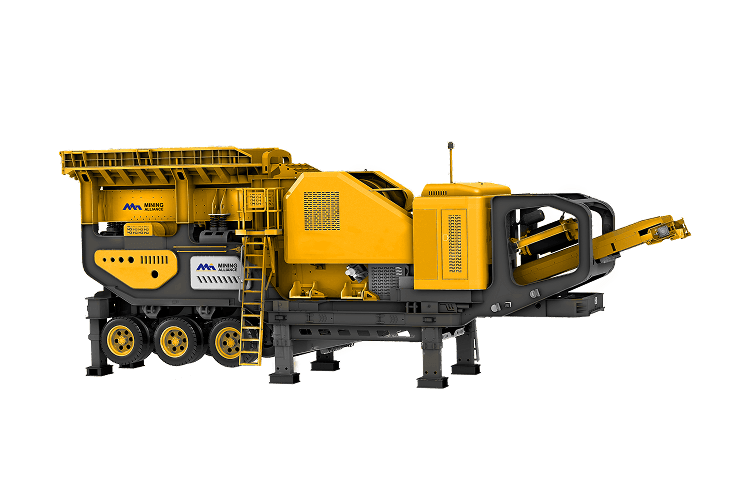
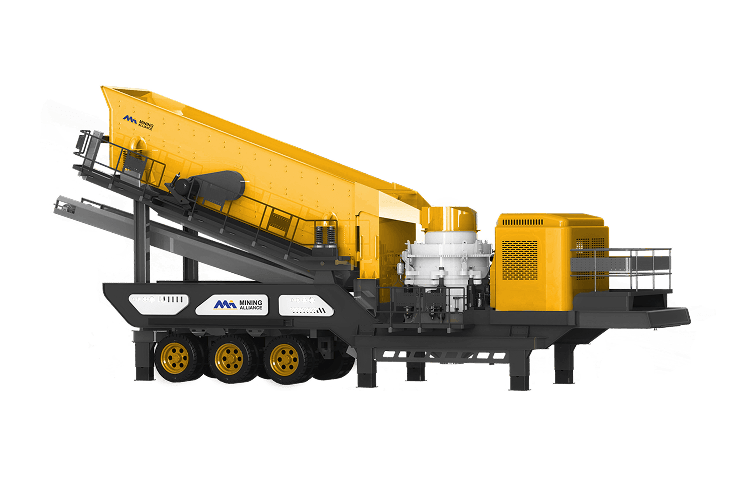
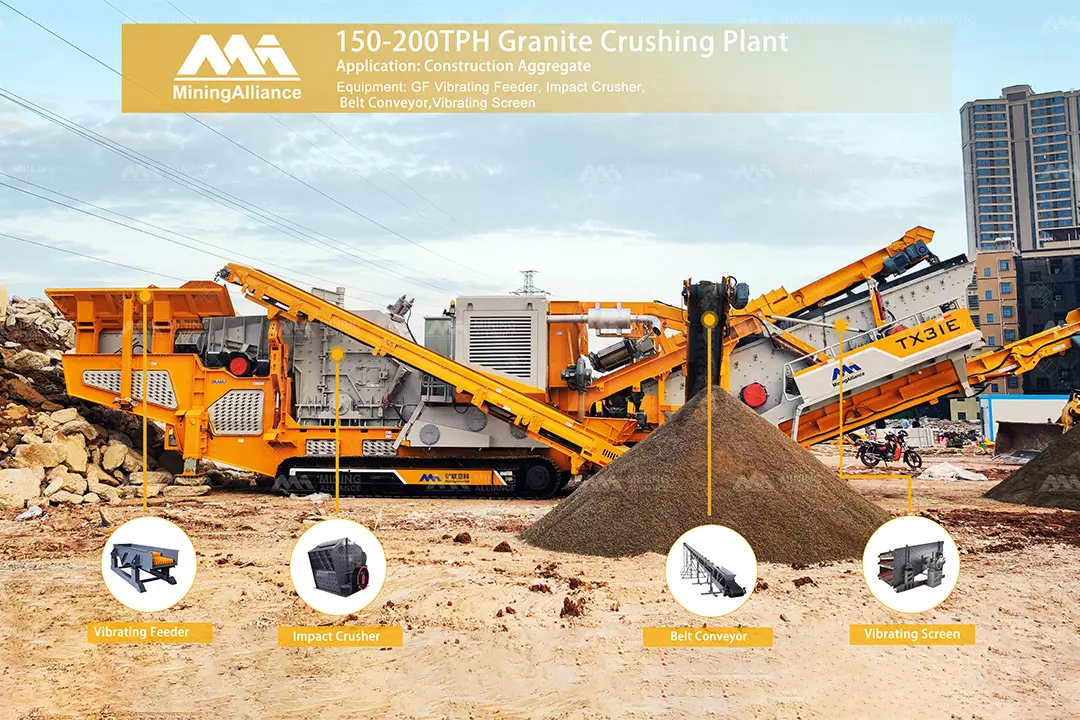
Wheeled Mobile Crusher Advantages
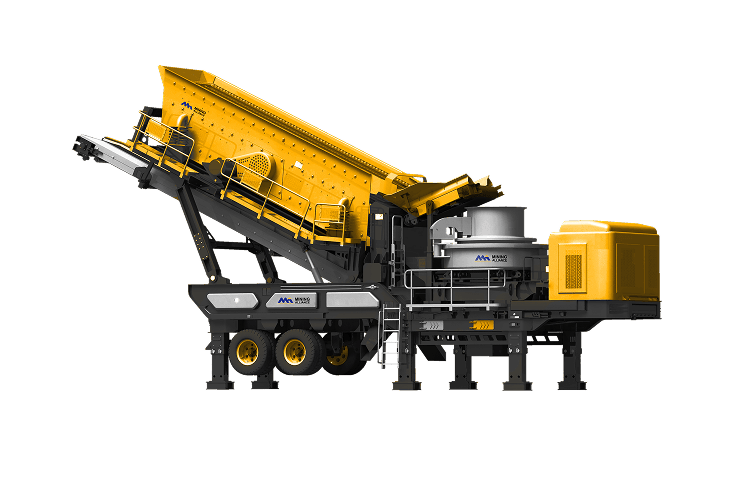
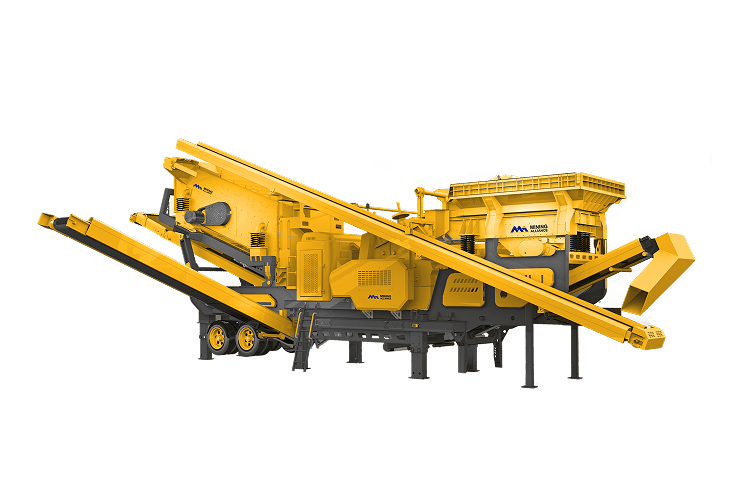
- Moderate flexibility, can be transported easily for periodic operations.
- Lower equipment cost, suitable for small and medium enterprises or short-term projects.
- Easy transportation, can be towed on highways for quick relocation.
- No infrastructure required, ready for immediate production.
Wheeled Mobile Crusher Disadvantages
- Requires external towing, cannot move independently.
- Medium production capacity, typically between 50-500 TPH.
- Limited adaptability, best for urban projects and flat terrains.
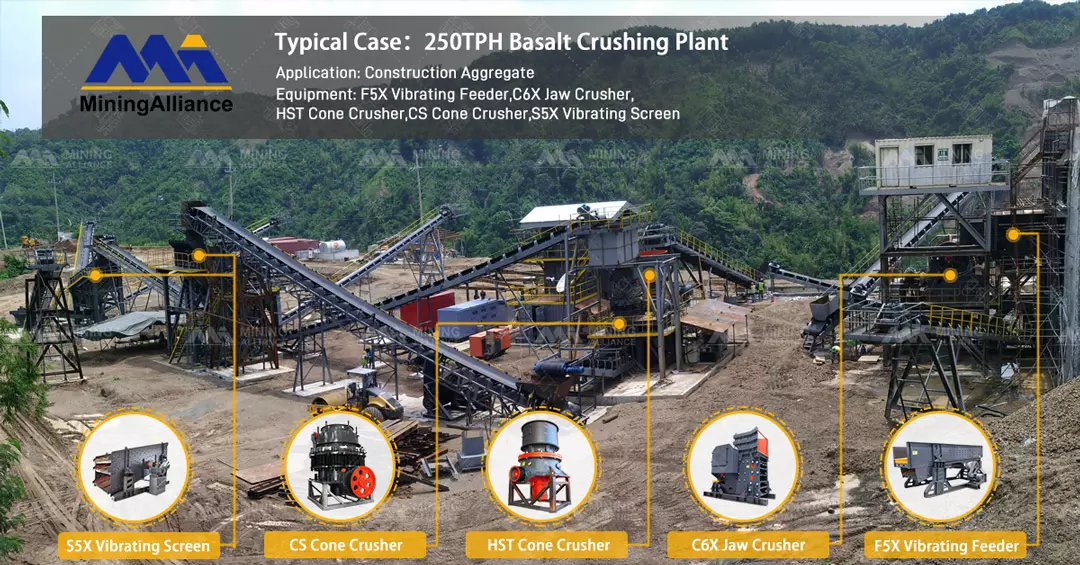
Stationary Crushing Plant Pros and Cons
Fixed Crushing Plant Advantages
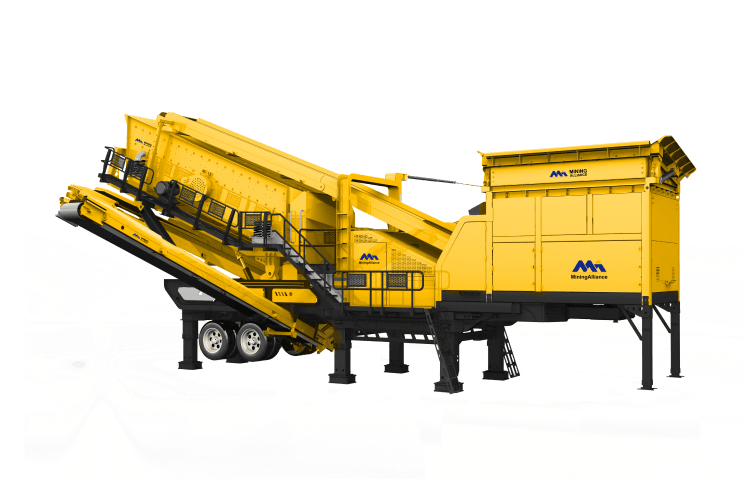
- High output, suitable for high-capacity, long-term operations.
- Low operating costs, powered by electricity, lower unit energy consumption.
- Easy maintenance, all equipment is fixed and easy to service.
- Highly stable, reliable for continuous operation.
Fixed Crushing Plant Disadvantages
- Lack of flexibility, cannot move once installed.
- High initial investment, requires infrastructure such as foundations and buildings.
- Long installation time, typically 1-6 months before production starts.
- Not suitable for short-term projects, ideal for long-term mining and aggregate production.
Stationary vs Wheeled vs Tracked Crushing Plant Comparison
| Features | Stationary Crushing Plant | Wheeled Mobile Crushing Plant | Tracked Mobile Crushing Plant |
|---|---|---|---|
| Mobility | Fixed installation, cannot be moved | Wheeled chassis, requires external towing | Track mounted, can move by itself |
| Application | Quarries, large mines, long-term operations | Construction waste processing, short-term projects, temporary crushing sites | Open-pit mines, mountainous areas, wetlands, mobile operations |
| Land Requirement | Requires dedicated crushing site | Requires some space but less than a fixed plant | No dedicated site needed |
| Flexibility | Immobile, best for long-term production | Can be relocated periodically, suitable for cyclical operations | Fully mobile, ideal for frequently changing work conditions |
| Installation Time | Long construction time (1-6 months) | No installation required, ready to operate | |
| Weight | Heavy, high transportation costs | Relatively lightweight, easy to transport | Heavy, high transportation costs |
| Equipment Costs | Lower equipment cost but high infrastructure investment | Moderate equipment cost | Higher equipment cost |
| Operating Costs | Low, powered by electricity, low energy consumption | Moderate, hybrid power system | High, diesel-powered, high fuel consumption |
| Maintenance Costs | Simple maintenance, easy parts replacement | Low maintenance cost, tires are easy to replace | Complex maintenance, tracks wear out faster |
| Production Capacity | High (100-5000 TPH) | Medium (50-500 TPH) | |
| Environmental Impact | Requires dust suppression for strict regulations | More environmentally friendly, used for waste recycling | Environmentally friendly but diesel power causes emissions |
| Stability | Most stable, reliable for long-term operations | Moderate stability, suitable for temporary operations | Suitable for short-term and harsh environments but high maintenance costs |
| Material Handling | Suitable for all types of ores, aggregates, and construction waste | Primarily for construction waste recycling and stone crushing | Suitable for mining, tough terrains, and remote locations |
| Economic Suitability | Suitable for large-scale, long-term investment | Suitable for short-term projects and medium-sized enterprises | Suitable for harsh conditions and mobile operations |
How to Choose a Mobile or Stationary Crushing Plant?
Both stationary and mobile crushing plants have their own advantages and disadvantages, and they suit different applications. The choice of which crushing plant to use depends on the specific requirements of your project. You can evaluate this by following these four steps:
Step 1: Project Duration and Scale
For short-term, sporadic projects or small-to-medium scale, select priority mobile crushing plants. For example, construction waste that needs to be processed within one or two months, or temporary material yards with low production requirements.
Long-term, large-scale projects: A stationary crushing plant is the best choice. For example, in large mines with a service life exceeding 5–10 years, stationary equipment can maximize its advantages of high output and stability.
Step 2: Site Conditions and Material Characteristics
If site conditions are variable, with scattered materials and frequent relocation, a mobile crushing plant is your "best partner". It can be quickly moved between different work sites.
For fixed sites, concentrated materials, and stable supply sources, a stationary crushing plant is more economical choice. It does not require relocation and can reliably process large volumes of material.
For limited site spaces (e.g., mountainous areas, urban construction sites), mobile crushing plants offer a distinct advantage due to their smaller footprint.
Step 3: Total Cost
Mobile crushing plants require a higher initial investment. However, in the long run, the significant savings in transportation and labor costs offset some of the high purchase cost.
On the other hand, stationary crushing plants have a lower initial purchase cost but higher long-term transportation and maintenance costs.
Step 4: Other Factors
Regions with strict environmental requirements: MiningAlliance’s mobile crushing plants feature fully enclosed structures and are equipped with dust collection and noise reduction systems, making it easier to meet stringent environmental standards.
Smart management requirements: MiningAlliance’s advanced tracked mobile crushing plants support remote monitoring and early fault warning, facilitating modern management.
Conclusion
In general, mobile crushing plants and stationary crushing plants each have their own advantages and disadvantages and are suitable for different applications. The specific choice depends on your project.
MiningAlliance Machinery is a professional manufacturer of mobile and stationary crushing plants with over 30 years of experience. Our engineers can provide customized design solutions for your project and assist you with installation and commissioning. Contact us now!
References: